
Andere Kunden interessierten sich auch für
 The Change toward Cooperation in the George W. Bush Administration's Nuclear Nonproliferation Policy toward North Korea61,95 €
 Multilateralism Versus Unilateralism52,05 €
 Der Kreuzzug im Irak48,95 €
 Land of the Free...?55,95 €
 Vietnam11,99 €
 Familial Discourses in 'The Book of Margery Kempe'53,95 €
 Moors, Mansions, and Museums52,05 €



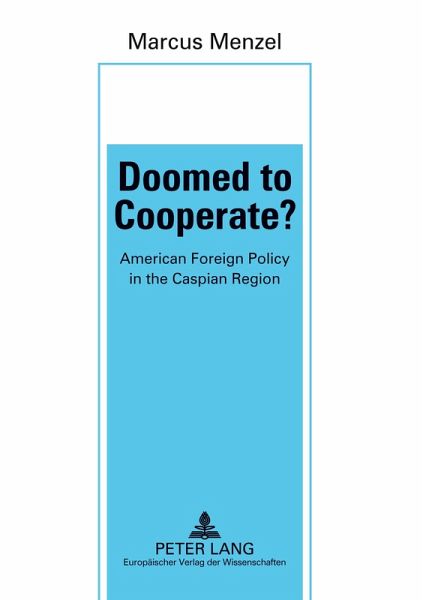
As the sole superpower, the temptation for the United States to act unilaterally is strong. Yet, what strategy is the U.S. pursuing in a region where cooperation is necessary to achieve policy goals? Applying theories of international cooperation, this study analyzes a complicated "test case" for American foreign policy. The oil resources in the Caspian region are relevant for the U.S. objective of securing the uninterrupted flow to world markets but engagement in this region has effects on Russian security interests and relations to Iran. Violent ethnic conflicts further threaten stability in the area. Cooperation or unilateralism is thus the key question for the U.S. As unilateral action is likely to provoke massive conflicts, cooperative behavior need not necessarily be more successful.