
Andere Kunden interessierten sich auch für
 A Linguagem dos Desenhos18,99 €
 Peso de Las Apariencias, El13,99 €
 La Folie Du Doute15,99 €
 Rapports Du Physique Et Du Moral De L'homme; Volume 121,99 €
 O Medo No Rosto Dos Heróis22,99 €
 La Vie Inconsciente Et Les Mouvements19,99 €
 La Psychologie Des Idées-forces, Volume 2...24,99 €






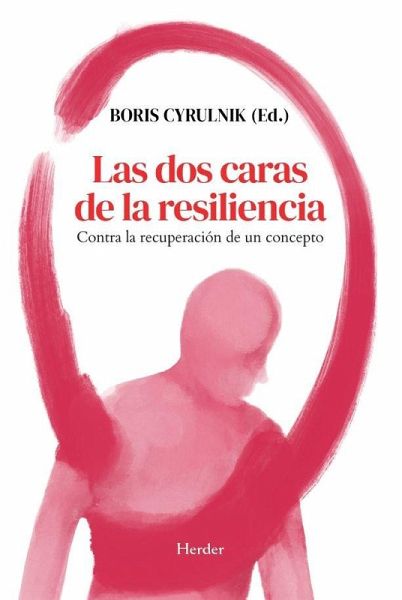
The word "resilience" has become popular in all areas of daily life, beyond the humanities. As a result, in this quest for recovery, the concept has fallen victim to misinterpretations. So much so that it is sometimes used to mean the opposite of its original meaning, such as "market resilience." The aim of this book is to shed light on the genealogy of the term, analyze misinterpretations, and argue against misappropriations of the word, in order to redefine resilience as a process that allows us to overcome trauma through a complex ecosystem, both individual and social. To this end, Boris Cyrulnik has enlisted the help of experienced psychiatrists, clinical psychologists, family therapists, and linguists who throughout these pages clarify and detail what resilience is and can be, but, above all, what it is not.