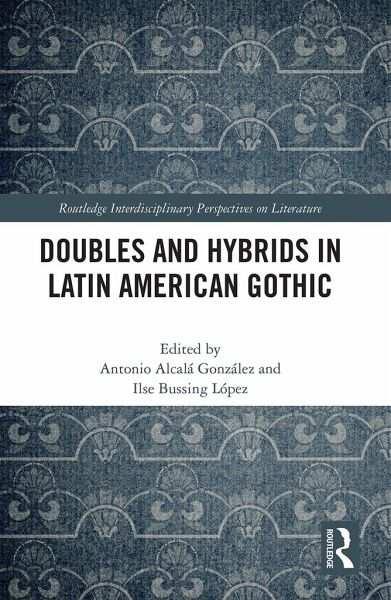
Doubles and Hybrids in Latin American Gothic focuses on a recurrent motif that is fundamental in the Gothic-the double. This volume explores how this ancient notion acquires tremendous force in a region, Latin America, which is itself defined by duplicity (indigenous/European, autochthonous religions/Catholic). Despite this duplicity and at the same time because of it, this region has also generated "mestizaje," or forms resulting from racial mixing and hybridity. This collection, then, aims to contribute to the current discussion about the Gothic in Latin America by examining the doubles and…mehr
Doubles and Hybrids in Latin American Gothic focuses on a recurrent motif that is fundamental in the Gothic-the double. This volume explores how this ancient notion acquires tremendous force in a region, Latin America, which is itself defined by duplicity (indigenous/European, autochthonous religions/Catholic). Despite this duplicity and at the same time because of it, this region has also generated "mestizaje," or forms resulting from racial mixing and hybridity. This collection, then, aims to contribute to the current discussion about the Gothic in Latin America by examining the doubles and hybrid forms that result from the violent yet culturally fertile process of colonization that took place in the area.
Antonio Alcalá is a Chair of the Humanities Department and Literature Professor at Tecnológico de Monterrey, Mexico City. Ilse Marie Bussing López is a Professor of English Literature and a Professor in Gothic Literature in the Master's in Literature at the University of Costa Rica.
Inhaltsangabe
Foreword Introduction: Doubles and Other Transmutations in Latin American Gothic Section 1: Doubling the Self Chapter 1. Ghostly Mirrors in Pedro Páramo: Rhetorical Figures Evidencing the Double Chapter 2. Scalding Drops on a Naked Eye: The Motif of the Double in Seeing Red by Lina Meruane Chapter 3. Knocking at the door of your prison house of history: Carlos Fuentes Aura and Angela Carter's 'Lady in the House of Love Chapter 4. Monstrous/Wondrous Transformations of The Female Body: Daniela Tarazona's El animal sobre la piedra and The Gothic Chapter 5. Carlos Fuentes's The Queen Doll and The Transgressive Presence of The Past Section 2: Animals as Doubles Chapter 6. Maize, Coyotes and Fireflies: Transformation and Nagualism in Hombres de Maíz Chapter 7. Mirrors and Shapeshifters: The Double in Gastão Cruls and Murilo Rubião Chapter 8. Gothic Tradition and Social Divide in Alejo Carpentier's The Kingdom of this World Section 3. Doubles and Spaces Chapter 9. Uncanny Aztec Revenants in Mexican Fiction Chapter 10. From Sierva María to María Mandinga: A Possible Female Gothic Transmutation in García Márquez's Del amor y otros demonios Chapter 11. Doubles, Spectres, and Community Trauma: Collapse, Repetition, and Horror in the Mexican Earthquakes of 9/19 Section 4. The Double in Film Chapter 12. Civilization and Barbarism: Argentina and the Monster Within in Horror Films Chapter 13. Reinventing the Hybrid: Del Toro's Cronos as All-Too-Human Gothic Horror Contributors Index
Foreword Introduction: Doubles and Other Transmutations in Latin American Gothic Section 1: Doubling the Self Chapter 1. Ghostly Mirrors in Pedro Páramo: Rhetorical Figures Evidencing the Double Chapter 2. Scalding Drops on a Naked Eye: The Motif of the Double in Seeing Red by Lina Meruane Chapter 3. Knocking at the door of your prison house of history: Carlos Fuentes Aura and Angela Carter's 'Lady in the House of Love Chapter 4. Monstrous/Wondrous Transformations of The Female Body: Daniela Tarazona's El animal sobre la piedra and The Gothic Chapter 5. Carlos Fuentes's The Queen Doll and The Transgressive Presence of The Past Section 2: Animals as Doubles Chapter 6. Maize, Coyotes and Fireflies: Transformation and Nagualism in Hombres de Maíz Chapter 7. Mirrors and Shapeshifters: The Double in Gastão Cruls and Murilo Rubião Chapter 8. Gothic Tradition and Social Divide in Alejo Carpentier's The Kingdom of this World Section 3. Doubles and Spaces Chapter 9. Uncanny Aztec Revenants in Mexican Fiction Chapter 10. From Sierva María to María Mandinga: A Possible Female Gothic Transmutation in García Márquez's Del amor y otros demonios Chapter 11. Doubles, Spectres, and Community Trauma: Collapse, Repetition, and Horror in the Mexican Earthquakes of 9/19 Section 4. The Double in Film Chapter 12. Civilization and Barbarism: Argentina and the Monster Within in Horror Films Chapter 13. Reinventing the Hybrid: Del Toro's Cronos as All-Too-Human Gothic Horror Contributors Index
Es gelten unsere Allgemeinen Geschäftsbedingungen: www.buecher.de/agb
Impressum
www.buecher.de ist ein Internetauftritt der buecher.de internetstores GmbH
Geschäftsführung: Monica Sawhney | Roland Kölbl | Günter Hilger
Sitz der Gesellschaft: Batheyer Straße 115 - 117, 58099 Hagen
Postanschrift: Bürgermeister-Wegele-Str. 12, 86167 Augsburg
Amtsgericht Hagen HRB 13257
Steuernummer: 321/5800/1497
USt-IdNr: DE450055826