

Andere Kunden interessierten sich auch für
 The Reception of Greek Ethics in Late Antiquity and Byzantium92,99 €
 A History of Mind and Body in Late Antiquity104,99 €
 Divination and Revelation in Later Antiquity98,99 €
 Received Opinions145,99 €
 Reading Plato in Antiquity196,99 €
 Initiation and Transformation: The Appeal of the Eleusinian Mysteries29,99 €
 The Good Life and Conceptions of Life in Early China and Graeco-Roman Antiquity101,99 €
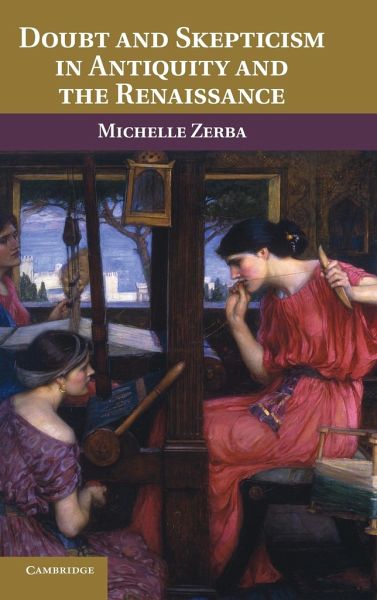
This book is an interdisciplinary study of the forms and uses of doubt in works by Homer, Sophocles, Aristophanes, Cicero, Machiavelli, Shakespeare and Montaigne. Based on close analysis of literary and philosophical texts by these important authors, Michelle Zerba argues that doubt is a defining experience in antiquity and the Renaissance, one that constantly challenges the limits of thought and representation. The wide-ranging discussion considers issues that run the gamut from tragic loss to comic bombast, from psychological collapse to skeptical dexterity and from solitary reflection to political improvisation in civic contexts and puts Greek and Roman treatments of doubt into dialogue not only with sixteenth-century texts but with contemporary works as well. Using the past to engage questions of vital concern to our time, Zerba demonstrates that although doubt sometimes has destructive consequences, it can also be conducive to tolerance, discovery and conversation across sociopolitical boundaries.