
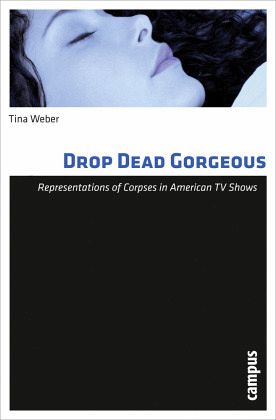
- Broschiertes Buch
- Merkliste
- Auf die Merkliste
- Bewerten Bewerten
- Teilen
- Produkt teilen
- Produkterinnerung
- Produkterinnerung
In amerikanischen Fernsehserien wie »CSI« oder »Six Feet Under« sind Tote nicht mehr nur Ausgangspunkt für Ermittlungen - der Tote selbst wird zum Untersuchungsobjekt, Fokussierungen auf tote Körper, etwa bei rechtsmedizinischen Untersuchungen, bestimmen die Szenerie. Tina Weber setzt sich mit diesen neuen filmischen Inszenierungsformen auseinander und fragt, welche gesellschaftlichen Symptomatiken im Umgang mit dem Tod sich darin zeigen.
Andere Kunden interessierten sich auch für
 Pirtosh SainiKieselalgen können sprechen39,90 €
 Ariane SchleipferKriegsberichterstattung und der Embedded Journalist15,95 €
 Von Game of Thrones bis The Walking Dead49,99 €
Visibility of Death: Neda - Constructions of Gender and Identity in the Media") Nathali Basten(In)Visibility of Death: Neda - Constructions of Gender and Identity in the Media47,95 €
Nathali Basten(In)Visibility of Death: Neda - Constructions of Gender and Identity in the Media47,95 € Andrew ConteDeath of the Daily News19,99 €
 Adrian JohnsDeath of a Pirate18,99 €
 Tod Goldberg19,99 €
-
-
-



In amerikanischen Fernsehserien wie »CSI« oder »Six Feet Under« sind Tote nicht mehr nur Ausgangspunkt für Ermittlungen - der Tote selbst wird zum Untersuchungsobjekt, Fokussierungen auf tote Körper, etwa bei rechtsmedizinischen Untersuchungen, bestimmen die Szenerie. Tina Weber setzt sich mit diesen neuen filmischen Inszenierungsformen auseinander und fragt, welche gesellschaftlichen Symptomatiken im Umgang mit dem Tod sich darin zeigen.
Hinweis: Dieser Artikel kann nur an eine deutsche Lieferadresse ausgeliefert werden.
Hinweis: Dieser Artikel kann nur an eine deutsche Lieferadresse ausgeliefert werden.
Produktdetails
- Produktdetails
- Todesbilder. Studien zum gesellschaftlichen Umgang mit dem Tod 6
- Verlag: Campus Verlag / University of Chicago Press
- Artikelnr. des Verlages: 39507
- Seitenzahl: 267
- Erscheinungstermin: Juni 2012
- Englisch
- Abmessung: 212mm x 144mm x 16mm
- Gewicht: 544g
- ISBN-13: 9783593395074
- ISBN-10: 359339507X
- Artikelnr.: 33378847
- Herstellerkennzeichnung Die Herstellerinformationen sind derzeit nicht verfügbar.
- Todesbilder. Studien zum gesellschaftlichen Umgang mit dem Tod 6
- Verlag: Campus Verlag / University of Chicago Press
- Artikelnr. des Verlages: 39507
- Seitenzahl: 267
- Erscheinungstermin: Juni 2012
- Englisch
- Abmessung: 212mm x 144mm x 16mm
- Gewicht: 544g
- ISBN-13: 9783593395074
- ISBN-10: 359339507X
- Artikelnr.: 33378847
- Herstellerkennzeichnung Die Herstellerinformationen sind derzeit nicht verfügbar.
Tina Weber, Dr. phil., ist wissenschaftliche Mitarbeiterin am Institut für Soziologie der Technischen Universität Berlin.
Content Part 1-Introduction Prefacexi Acknowledgmentsxii Introductionxv 1 Theory 20 1.1. Image, death and discourse20 1.2. Historical survey of depictions of corpses 28 1.3. Representation of corpses in TV shows from 1950-200035 1.4. New representations of corpses in TV shows from 2000-201039 1.5. New sophisticated death representations44 2 Methodology 50 2.1. Analysis of TV shows52 2.2. Pictorial Analysis53 2.3. Film Analysis61 2.4. Interviews64 2.5. Statistic research65 2.6. "Genre"66 Part 2-Analysis: What is shown and how? 3 Pictorial Analysis: Pretty corpses in the pathology73 3.1. Introduction73 3.2. New TV shows with new representations of death75 3.2.1. Documentary: North Mission Road and Family Plots76 3.2.2. Black comedy and drama: Six Feet Under 81 3.2.3. Crime: CSI, Crossing Jordan, Bones, NCIS, and Castle87 3.2.4. Fantasy comedy: Dead like me and Pushing Daisies99 3.2.5. Fantasy drama: Tru Calling, Heroes, and Dexter102 3.3. Summary 110 4 Film Analysis: Disgusting autopsies in the pathology 113 4.1. Media Aesthetics115 4.2. Film Analysis Autopsy 119 4.3. Film Analysis CSI 128 4.4. Comparison and Evaluation of the Representation Codes134 4.5. Summary138 Part 3-Field Research: What is not shown and why? 5 New representations and new taboos143 5.1. Taboo and death144 5.2. General representation restrictions150 5.3. Specific representation taboos regarding death160 5.4. Excursus on hospital autopsies168 5.5. Conclusion on new representations and new taboos171 6 Field research: The Representation of Corpses under Constraints 173 6.1. Officials: The LA County Coroner TV show North Mission Road174 6.1.1. Pictorial analysis of the representation of an autopsy175 6.1.2. Interview with the medical examiner participant179 6.2. Producer: Interviews with the filmmaker184 6.2.1. Money, time and censorship187 6.2.2. Race, Age, Gender 202 6.2.3. Working on realism 204 6.3. Recipients: The public response to the new TV shows210 6.3.1. The "CSI Effect" in the juristic discourse210 6.3.2. The "CSI Effect" in the humanistic discourse212 6.4. Summary222 Part 4-Conclusion 7 Conclusion225 7.1. Visual knowledge and communicative genre229 7.1.1. Changing genres231 7.1.2. Changing body images234 7.2. New Representations of Death in other Audio-Visual Media243 Works cited247 Index263Content
Part 1-Introduction
Prefacexi
Acknowledgmentsxii
Introductionxv
1 Theory 20
1.1. Image, death and discourse20
1.2. Historical survey of depictions of corpses 28
1.3. Representation of corpses in TV shows from 1950-200035
1.4. New representations of corpses in TV shows from 2000-201039
1.5. New sophisticated death representations44
2 Methodology 50
2.1. Analysis of TV shows52
2.2. Pictorial Analysis53
2.3. Film Analysis61
2.4. Interviews64
2.5. Statistic research65
2.6. "Genre"66
Part 2-Analysis: What is shown and how?
3 Pictorial Analysis: Pretty corpses in the pathology73
3.1. Introduction73
3.2. New TV shows with new representations of death75
3.2.1. Documentary: North Mission Road and Family Plots76
3.2.2. Black comedy and drama: Six Feet Under 81
3.2.3. Crime: CSI, Crossing Jordan, Bones, NCIS, and Castle87
3.2.4. Fantasy comedy: Dead like me and Pushing Daisies99
3.2.5. Fantasy drama: Tru Calling, Heroes, and Dexter102
3.3. Summary 110
4 Film Analysis: Disgusting autopsies in the pathology 113
4.1. Media Aesthetics115
4.2. Film Analysis Autopsy 119
4.3. Film Analysis CSI 128
4.4. Comparison and Evaluation of the Representation Codes134
4.5. Summary138
Part 3-Field Research: What is not shown and why?
5 New representations and new taboos143
5.1. Taboo and death144
5.2. General representation restrictions150
5.3. Specific representation taboos regarding death160
5.4. Excursus on hospital autopsies168
5.5. Conclusion on new representations and new taboos171
6 Field research: The Representation of Corpses under Constraints 173
6.1. Officials: The LA County Coroner TV show North Mission Road174
6.1.1. Pictorial analysis of the representation of an autopsy175
6.1.2. Interview with the medical examiner participant179
6.2. Producer: Interviews with the filmmaker184
6.2.1. Money, time and censorship187
6.2.2. Race, Age, Gender 202
6.2.3. Working on realism 204
6.3. Recipients: The public response to the new TV shows210
6.3.1. The "CSI Effect" in the juristic discourse210
6.3.2. The "CSI Effect" in the humanistic discourse212
6.4. Summary222
Part 4-Conclusion
7 Conclusion225
7.1. Visual knowledge and communicative genre229
7.1.1. Changing genres231
7.1.2. Changing body images234
7.2. New Representations of Death in other Audio-Visual Media243
Works cited247
Index263
Part 1-Introduction
Prefacexi
Acknowledgmentsxii
Introductionxv
1 Theory 20
1.1. Image, death and discourse20
1.2. Historical survey of depictions of corpses 28
1.3. Representation of corpses in TV shows from 1950-200035
1.4. New representations of corpses in TV shows from 2000-201039
1.5. New sophisticated death representations44
2 Methodology 50
2.1. Analysis of TV shows52
2.2. Pictorial Analysis53
2.3. Film Analysis61
2.4. Interviews64
2.5. Statistic research65
2.6. "Genre"66
Part 2-Analysis: What is shown and how?
3 Pictorial Analysis: Pretty corpses in the pathology73
3.1. Introduction73
3.2. New TV shows with new representations of death75
3.2.1. Documentary: North Mission Road and Family Plots76
3.2.2. Black comedy and drama: Six Feet Under 81
3.2.3. Crime: CSI, Crossing Jordan, Bones, NCIS, and Castle87
3.2.4. Fantasy comedy: Dead like me and Pushing Daisies99
3.2.5. Fantasy drama: Tru Calling, Heroes, and Dexter102
3.3. Summary 110
4 Film Analysis: Disgusting autopsies in the pathology 113
4.1. Media Aesthetics115
4.2. Film Analysis Autopsy 119
4.3. Film Analysis CSI 128
4.4. Comparison and Evaluation of the Representation Codes134
4.5. Summary138
Part 3-Field Research: What is not shown and why?
5 New representations and new taboos143
5.1. Taboo and death144
5.2. General representation restrictions150
5.3. Specific representation taboos regarding death160
5.4. Excursus on hospital autopsies168
5.5. Conclusion on new representations and new taboos171
6 Field research: The Representation of Corpses under Constraints 173
6.1. Officials: The LA County Coroner TV show North Mission Road174
6.1.1. Pictorial analysis of the representation of an autopsy175
6.1.2. Interview with the medical examiner participant179
6.2. Producer: Interviews with the filmmaker184
6.2.1. Money, time and censorship187
6.2.2. Race, Age, Gender 202
6.2.3. Working on realism 204
6.3. Recipients: The public response to the new TV shows210
6.3.1. The "CSI Effect" in the juristic discourse210
6.3.2. The "CSI Effect" in the humanistic discourse212
6.4. Summary222
Part 4-Conclusion
7 Conclusion225
7.1. Visual knowledge and communicative genre229
7.1.1. Changing genres231
7.1.2. Changing body images234
7.2. New Representations of Death in other Audio-Visual Media243
Works cited247
Index263
Content Part 1-Introduction Prefacexi Acknowledgmentsxii Introductionxv 1 Theory 20 1.1. Image, death and discourse20 1.2. Historical survey of depictions of corpses 28 1.3. Representation of corpses in TV shows from 1950-200035 1.4. New representations of corpses in TV shows from 2000-201039 1.5. New sophisticated death representations44 2 Methodology 50 2.1. Analysis of TV shows52 2.2. Pictorial Analysis53 2.3. Film Analysis61 2.4. Interviews64 2.5. Statistic research65 2.6. "Genre"66 Part 2-Analysis: What is shown and how? 3 Pictorial Analysis: Pretty corpses in the pathology73 3.1. Introduction73 3.2. New TV shows with new representations of death75 3.2.1. Documentary: North Mission Road and Family Plots76 3.2.2. Black comedy and drama: Six Feet Under 81 3.2.3. Crime: CSI, Crossing Jordan, Bones, NCIS, and Castle87 3.2.4. Fantasy comedy: Dead like me and Pushing Daisies99 3.2.5. Fantasy drama: Tru Calling, Heroes, and Dexter102 3.3. Summary 110 4 Film Analysis: Disgusting autopsies in the pathology 113 4.1. Media Aesthetics115 4.2. Film Analysis Autopsy 119 4.3. Film Analysis CSI 128 4.4. Comparison and Evaluation of the Representation Codes134 4.5. Summary138 Part 3-Field Research: What is not shown and why? 5 New representations and new taboos143 5.1. Taboo and death144 5.2. General representation restrictions150 5.3. Specific representation taboos regarding death160 5.4. Excursus on hospital autopsies168 5.5. Conclusion on new representations and new taboos171 6 Field research: The Representation of Corpses under Constraints 173 6.1. Officials: The LA County Coroner TV show North Mission Road174 6.1.1. Pictorial analysis of the representation of an autopsy175 6.1.2. Interview with the medical examiner participant179 6.2. Producer: Interviews with the filmmaker184 6.2.1. Money, time and censorship187 6.2.2. Race, Age, Gender 202 6.2.3. Working on realism 204 6.3. Recipients: The public response to the new TV shows210 6.3.1. The "CSI Effect" in the juristic discourse210 6.3.2. The "CSI Effect" in the humanistic discourse212 6.4. Summary222 Part 4-Conclusion 7 Conclusion225 7.1. Visual knowledge and communicative genre229 7.1.1. Changing genres231 7.1.2. Changing body images234 7.2. New Representations of Death in other Audio-Visual Media243 Works cited247 Index263Content
Part 1-Introduction
Prefacexi
Acknowledgmentsxii
Introductionxv
1 Theory 20
1.1. Image, death and discourse20
1.2. Historical survey of depictions of corpses 28
1.3. Representation of corpses in TV shows from 1950-200035
1.4. New representations of corpses in TV shows from 2000-201039
1.5. New sophisticated death representations44
2 Methodology 50
2.1. Analysis of TV shows52
2.2. Pictorial Analysis53
2.3. Film Analysis61
2.4. Interviews64
2.5. Statistic research65
2.6. "Genre"66
Part 2-Analysis: What is shown and how?
3 Pictorial Analysis: Pretty corpses in the pathology73
3.1. Introduction73
3.2. New TV shows with new representations of death75
3.2.1. Documentary: North Mission Road and Family Plots76
3.2.2. Black comedy and drama: Six Feet Under 81
3.2.3. Crime: CSI, Crossing Jordan, Bones, NCIS, and Castle87
3.2.4. Fantasy comedy: Dead like me and Pushing Daisies99
3.2.5. Fantasy drama: Tru Calling, Heroes, and Dexter102
3.3. Summary 110
4 Film Analysis: Disgusting autopsies in the pathology 113
4.1. Media Aesthetics115
4.2. Film Analysis Autopsy 119
4.3. Film Analysis CSI 128
4.4. Comparison and Evaluation of the Representation Codes134
4.5. Summary138
Part 3-Field Research: What is not shown and why?
5 New representations and new taboos143
5.1. Taboo and death144
5.2. General representation restrictions150
5.3. Specific representation taboos regarding death160
5.4. Excursus on hospital autopsies168
5.5. Conclusion on new representations and new taboos171
6 Field research: The Representation of Corpses under Constraints 173
6.1. Officials: The LA County Coroner TV show North Mission Road174
6.1.1. Pictorial analysis of the representation of an autopsy175
6.1.2. Interview with the medical examiner participant179
6.2. Producer: Interviews with the filmmaker184
6.2.1. Money, time and censorship187
6.2.2. Race, Age, Gender 202
6.2.3. Working on realism 204
6.3. Recipients: The public response to the new TV shows210
6.3.1. The "CSI Effect" in the juristic discourse210
6.3.2. The "CSI Effect" in the humanistic discourse212
6.4. Summary222
Part 4-Conclusion
7 Conclusion225
7.1. Visual knowledge and communicative genre229
7.1.1. Changing genres231
7.1.2. Changing body images234
7.2. New Representations of Death in other Audio-Visual Media243
Works cited247
Index263
Part 1-Introduction
Prefacexi
Acknowledgmentsxii
Introductionxv
1 Theory 20
1.1. Image, death and discourse20
1.2. Historical survey of depictions of corpses 28
1.3. Representation of corpses in TV shows from 1950-200035
1.4. New representations of corpses in TV shows from 2000-201039
1.5. New sophisticated death representations44
2 Methodology 50
2.1. Analysis of TV shows52
2.2. Pictorial Analysis53
2.3. Film Analysis61
2.4. Interviews64
2.5. Statistic research65
2.6. "Genre"66
Part 2-Analysis: What is shown and how?
3 Pictorial Analysis: Pretty corpses in the pathology73
3.1. Introduction73
3.2. New TV shows with new representations of death75
3.2.1. Documentary: North Mission Road and Family Plots76
3.2.2. Black comedy and drama: Six Feet Under 81
3.2.3. Crime: CSI, Crossing Jordan, Bones, NCIS, and Castle87
3.2.4. Fantasy comedy: Dead like me and Pushing Daisies99
3.2.5. Fantasy drama: Tru Calling, Heroes, and Dexter102
3.3. Summary 110
4 Film Analysis: Disgusting autopsies in the pathology 113
4.1. Media Aesthetics115
4.2. Film Analysis Autopsy 119
4.3. Film Analysis CSI 128
4.4. Comparison and Evaluation of the Representation Codes134
4.5. Summary138
Part 3-Field Research: What is not shown and why?
5 New representations and new taboos143
5.1. Taboo and death144
5.2. General representation restrictions150
5.3. Specific representation taboos regarding death160
5.4. Excursus on hospital autopsies168
5.5. Conclusion on new representations and new taboos171
6 Field research: The Representation of Corpses under Constraints 173
6.1. Officials: The LA County Coroner TV show North Mission Road174
6.1.1. Pictorial analysis of the representation of an autopsy175
6.1.2. Interview with the medical examiner participant179
6.2. Producer: Interviews with the filmmaker184
6.2.1. Money, time and censorship187
6.2.2. Race, Age, Gender 202
6.2.3. Working on realism 204
6.3. Recipients: The public response to the new TV shows210
6.3.1. The "CSI Effect" in the juristic discourse210
6.3.2. The "CSI Effect" in the humanistic discourse212
6.4. Summary222
Part 4-Conclusion
7 Conclusion225
7.1. Visual knowledge and communicative genre229
7.1.1. Changing genres231
7.1.2. Changing body images234
7.2. New Representations of Death in other Audio-Visual Media243
Works cited247
Index263