
Andere Kunden interessierten sich auch für
 Pocket Psych Drugs42,99 €
 Drugs In Sports18,99 €
 The Microscopical Examination Of Foods And Drugs23,99 €
 The Story of Drugs24,99 €
 Exploring the Role of Antiviral Drugs in the Eradication of Polio21,99 €
 Direct-to-consumer Advertising Of Prescription Drugs17,99 €
 Compassionate Use Of Investigational New Drugs18,99 €

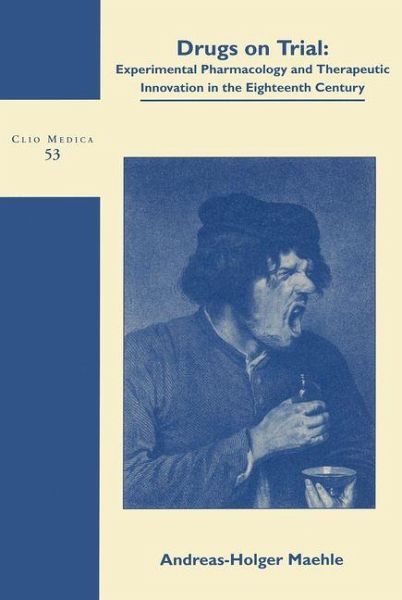
Experimental pharmacology is often portrayed as a creation of the nineteenth century, the age of the sciences in medicine. This book demonstrates that the basic methodology of the field, including chemical analysis, in vitro testing, animal experimentation and human research, was already developed in the course of the seventeenth and eighteenth centuries. Putting remedies on trial was stimulated by the challenge to Galenism through new chemical, mechanical and vitalist concepts of disease, by the import of exotic drugs and the flourishing trade with secret medicines. The book describes the main issues of eighteenth-century pharmacology and therapeutics and provides detailed case studies of three key areas: lithontriptics (remedies against urinary stones), opium, and Peruvian bark (quinine). It shows how pharmacological knowledge and therapeutic change were promoted in medical centres of the time, such as Edinburgh, London, Paris, Halle and Göttingen. Yet it also reveals how by publication of medical case histories many otherwise little-known practitioners contributed to this scientific enterprise as well.