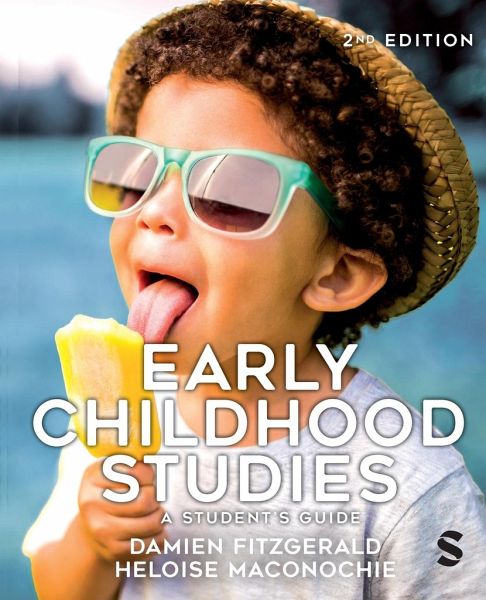
Early Childhood Studies
Herausgeber: Fitzgerald, Damien; Maconochie, Heloise
Early Childhood Studies
Herausgeber: Fitzgerald, Damien; Maconochie, Heloise
- Broschiertes Buch
- Merkliste
- Auf die Merkliste
- Bewerten Bewerten
- Teilen
- Produkt teilen
- Produkterinnerung
- Produkterinnerung
The only textbook you'll need to support you through your entire Early Childhood Studies degree. This updated edition is comprehensive and current, with student voices in every chapter.
Andere Kunden interessierten sich auch für
Educational Research for Early Childhood Studies Projects31,99 €
Aaron BradburyLove and Nurture in the Early Years27,99 €
Themes and Debates in Early Childhood41,99 €
The Student Practitioner in Early Childhood Studies46,99 €
Communication and Language in Early Childhood Today89,99 €
A Manifesto for Early Childhood31,99 €
Contemporary Issues and the 21st Century Child35,99 €-
-
-
The only textbook you'll need to support you through your entire Early Childhood Studies degree. This updated edition is comprehensive and current, with student voices in every chapter.
Produktdetails
- Produktdetails
- Verlag: SAGE Publications Ltd
- 2 Revised edition
- Seitenzahl: 424
- Erscheinungstermin: 27. Januar 2024
- Englisch
- Abmessung: 235mm x 191mm x 23mm
- Gewicht: 754g
- ISBN-13: 9781529794892
- ISBN-10: 1529794897
- Artikelnr.: 68589395
- Herstellerkennzeichnung
- Libri GmbH
- Europaallee 1
- 36244 Bad Hersfeld
- gpsr@libri.de
- Verlag: SAGE Publications Ltd
- 2 Revised edition
- Seitenzahl: 424
- Erscheinungstermin: 27. Januar 2024
- Englisch
- Abmessung: 235mm x 191mm x 23mm
- Gewicht: 754g
- ISBN-13: 9781529794892
- ISBN-10: 1529794897
- Artikelnr.: 68589395
- Herstellerkennzeichnung
- Libri GmbH
- Europaallee 1
- 36244 Bad Hersfeld
- gpsr@libri.de
Part 1: THE INDIVIDUAL CHILD
Chapter 1: The emergence of Early Childhood Studies: an historic overview
Chapter 2: The brain and children¿s early development
Chapter 3: The social and emotional development of children aged birth to
three
Chapter 4: How Young Children Learn
Chapter 5: Creativity, curiosity and resilience
Chapter 6: Young children and early communication
Chapter 7: Developing children as critical Thinkers
Chapter 8: Family relationships in the early years
Chapter 9: Play in early childhood
Part 2: CHILDREN IN SOCIETY: ACCESS AND OPPORTUNITY FOR ALL
Chapter 10: Diversity, equity, and inclusion
Chapter 11: Children with Special Educational Needs and Disabilities (SEND)
Chapter 12: Young children's rights: provision, protection and
participation
Chapter 13: Children's health
Chapter 14: Early years policy: implementation and impact
Chapter 15: Safeguarding children
Chapter 16: Young children's wellbeing: conceptualising, assessing and
supporting wellbeing
Chapter 17: Working with multilingual children and families in the early
years
Part 3: CREATING ENVIRONMENTS FOR CHILDREN TO THRIVE
Chapter 18: Multi-agency practice with young children
Chapter 19: Childhood in a global context
Chapter 20: Young Children, Childhood and Gender
Chapter 21: Technology and early digital culture
Chapter 22: Observing and assessing children
Chapter 23: Researching with children
Chapter 24: Learning through placements
Chapter 25: Leading quality practice
Chapter 1: The emergence of Early Childhood Studies: an historic overview
Chapter 2: The brain and children¿s early development
Chapter 3: The social and emotional development of children aged birth to
three
Chapter 4: How Young Children Learn
Chapter 5: Creativity, curiosity and resilience
Chapter 6: Young children and early communication
Chapter 7: Developing children as critical Thinkers
Chapter 8: Family relationships in the early years
Chapter 9: Play in early childhood
Part 2: CHILDREN IN SOCIETY: ACCESS AND OPPORTUNITY FOR ALL
Chapter 10: Diversity, equity, and inclusion
Chapter 11: Children with Special Educational Needs and Disabilities (SEND)
Chapter 12: Young children's rights: provision, protection and
participation
Chapter 13: Children's health
Chapter 14: Early years policy: implementation and impact
Chapter 15: Safeguarding children
Chapter 16: Young children's wellbeing: conceptualising, assessing and
supporting wellbeing
Chapter 17: Working with multilingual children and families in the early
years
Part 3: CREATING ENVIRONMENTS FOR CHILDREN TO THRIVE
Chapter 18: Multi-agency practice with young children
Chapter 19: Childhood in a global context
Chapter 20: Young Children, Childhood and Gender
Chapter 21: Technology and early digital culture
Chapter 22: Observing and assessing children
Chapter 23: Researching with children
Chapter 24: Learning through placements
Chapter 25: Leading quality practice
Part 1: THE INDIVIDUAL CHILD
Chapter 1: The emergence of Early Childhood Studies: an historic overview
Chapter 2: The brain and children¿s early development
Chapter 3: The social and emotional development of children aged birth to
three
Chapter 4: How Young Children Learn
Chapter 5: Creativity, curiosity and resilience
Chapter 6: Young children and early communication
Chapter 7: Developing children as critical Thinkers
Chapter 8: Family relationships in the early years
Chapter 9: Play in early childhood
Part 2: CHILDREN IN SOCIETY: ACCESS AND OPPORTUNITY FOR ALL
Chapter 10: Diversity, equity, and inclusion
Chapter 11: Children with Special Educational Needs and Disabilities (SEND)
Chapter 12: Young children's rights: provision, protection and
participation
Chapter 13: Children's health
Chapter 14: Early years policy: implementation and impact
Chapter 15: Safeguarding children
Chapter 16: Young children's wellbeing: conceptualising, assessing and
supporting wellbeing
Chapter 17: Working with multilingual children and families in the early
years
Part 3: CREATING ENVIRONMENTS FOR CHILDREN TO THRIVE
Chapter 18: Multi-agency practice with young children
Chapter 19: Childhood in a global context
Chapter 20: Young Children, Childhood and Gender
Chapter 21: Technology and early digital culture
Chapter 22: Observing and assessing children
Chapter 23: Researching with children
Chapter 24: Learning through placements
Chapter 25: Leading quality practice
Chapter 1: The emergence of Early Childhood Studies: an historic overview
Chapter 2: The brain and children¿s early development
Chapter 3: The social and emotional development of children aged birth to
three
Chapter 4: How Young Children Learn
Chapter 5: Creativity, curiosity and resilience
Chapter 6: Young children and early communication
Chapter 7: Developing children as critical Thinkers
Chapter 8: Family relationships in the early years
Chapter 9: Play in early childhood
Part 2: CHILDREN IN SOCIETY: ACCESS AND OPPORTUNITY FOR ALL
Chapter 10: Diversity, equity, and inclusion
Chapter 11: Children with Special Educational Needs and Disabilities (SEND)
Chapter 12: Young children's rights: provision, protection and
participation
Chapter 13: Children's health
Chapter 14: Early years policy: implementation and impact
Chapter 15: Safeguarding children
Chapter 16: Young children's wellbeing: conceptualising, assessing and
supporting wellbeing
Chapter 17: Working with multilingual children and families in the early
years
Part 3: CREATING ENVIRONMENTS FOR CHILDREN TO THRIVE
Chapter 18: Multi-agency practice with young children
Chapter 19: Childhood in a global context
Chapter 20: Young Children, Childhood and Gender
Chapter 21: Technology and early digital culture
Chapter 22: Observing and assessing children
Chapter 23: Researching with children
Chapter 24: Learning through placements
Chapter 25: Leading quality practice