
Andere Kunden interessierten sich auch für
 Giotto and his Works in Padua: Being an Explanatory Notice of the Frescoes in the Arena Chapel32,99 €
 Portraits Of Dante, From Giotto To Raffael: A Critical Study With A Concise Iconography34,99 €
 Early Italian Painting58,99 €
 The Stolen Lady26,99 €
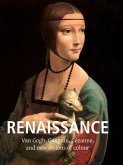
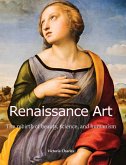
 Renaissance Art29,99 €
 Renaissance Art58,99 €
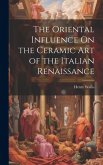
 The Oriental Influence On the Ceramic Art of the Italian Renaissance27,99 €
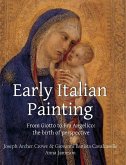

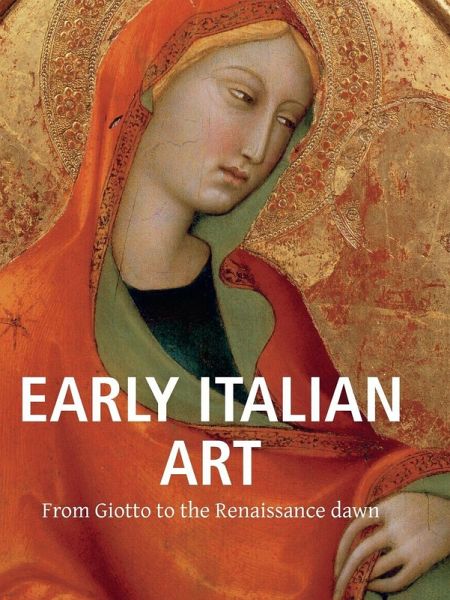
Oscillating between the majesty of the Greco-Byzantine tradition and the modernity predicted by Giotto, Early Italian Painting addresses the first important aesthetic movement that would lead to the Renaissance, the Italian Primitives. Trying new mediums and techniques, these revolutionary artists no longer painted frescoes on walls, but created the first mobile paintings on wooden panels. The visages of the figures were painted to shock the spectator in order to emphasise the divinity of the character being represented. The bright gold leafed backgrounds were used to highlight the godliness of the subject. The elegance of both line and colour were combined to reinforce specific symbolic choices. Ultimately the Early Italian artists wished to make the invisible - visible. In this magnificent book, the authors emphasise the importance that the rivalry between the Sienese and Florentine schools played in the evolution of art history. The reader, in the course of these forgotten masterworks, will discover how the sacred began to take a more human form, opening a discrete but definitive door through the use of anthropomorphism, a technique that would be cherished by the Renaissance.