
Andere Kunden interessierten sich auch für
 Storia economica della Repubblica Democratica del Congo dal 1885 al 202374,99 €
 HISTOIRE ÉCONOMIQUE DE LA R.D. CONGO DE 1885 À 202374,99 €
 História económica da República Democrática do Congo DE 1885 a 202374,99 €
 Historia gospodarcza Demokratycznej Republiki Konga od 1885 do 2023 roku74,99 €
 Wirtschaftsgeschichte der Demokratischen Republik Kongo von 1885 bis 2023115,90 €
 INFLATION AND TAX REVENUES IN THE DEMOCRATIC REPUBLIC OF THE CONGO29,99 €
 Investment-Savings Relationship in the Democratic Republic of Congo53,99 €
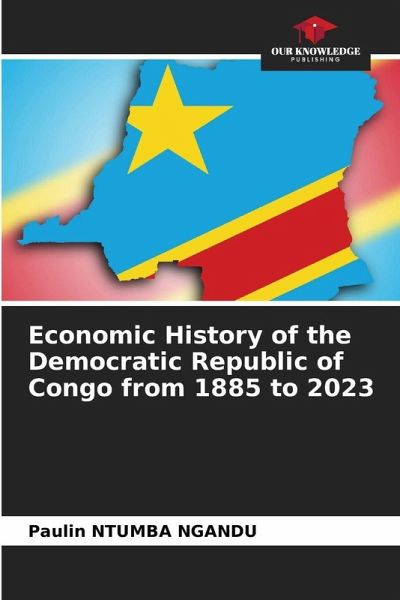
A diachronic study of the Congolese economy from 1885 to the present day reveals that the D.R. Congo's economy is extroverted, dependent, fragile and not very dynamic. Since the 1990s, it has been dominated by the informal sector. It should be noted that the Congolese have never managed their own economy. Under E.I.C., it was Leopold II who took control. During colonization, Belgium took the baton of the pilgrim. After independence, neo-colonialism imposed itself with unparalleled voracity.The country is poorly industrialized, which implies large-scale importation of basic necessities. In short, the Congolese economy was held hostage by Westerners.