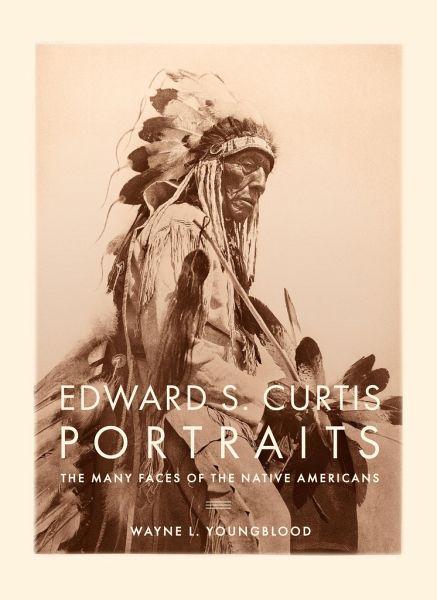
Photographer Edward S. Curtis was a prolific photographer and recorder of Native American culture. Edward S. Curtis Portraits is a collection of his most moving cultural portraits.
Photographer Edward S. Curtis was a prolific photographer and recorder of Native American culture. Edward S. Curtis Portraits is a collection of his most moving cultural portraits.
Wayne Youngblood grew up near the banks of the Rio Grande in New Mexico. He is a history lover who spent several years studying the pony express and the Oregon and Mormon trails while living in Nebraska. He is a writer/editor for a publication that caters to record collectors, has written books on subjects ranging from stamp collecting to colonial American history and lives in the wilds of central Wisconsin with his wife.
Inhaltsangabe
Introduction I The Apache. The Jicarillas. The Navaho. II The Pima. The Papago. The Qahatika. The Mohave. The Yuma. The Maricopa. The Walapai. The Havasupai. The Apache-Mohave, or Yavapai III The Teton Sioux. The Yanktonai. The Assiniboin. IV The Apsaroke, or Crows. The Hidatsa. V The Mandan. The Arikara. The Atsina. VI The Piegan. The Cheyenne. The Arapaho. VII The Yakima. The Klickitat. The Salishan tribes of the interior. The Kutenai. VIII The Nez Perces. Wallawalla. The Umatilla. The Cayuse. The Chinookan tribes. IX The Salishan tribes of the coast. The Chimakum and the Quilliute. The Willapa. X The Kwakiutl. XI The Nootka. The Haida. XII The Hopi. XIII The Hupa. The Yurok. The Karok. The Wiyot. The Tolowa and Tututni. The Shasta. The Achomawi. The Klamath. XIV The Kato. The Wailaki. The Yuki. The Pomo. The Wintun. The Maidu. The Miwok. The Yokuts. XV The Southern California Shoshoneans. The Diegueños. The Plateau Shoshoneans. The Washo. XVI The Tiwa. The Keres. XVII The Tewa. The Zuñi. XVIII The Chipewyan. The Western Woods Cree. The Sarsi. XIX The Indians of Oklahoma. The Wichita. The Southern Cheyenne. The Oto. The Comanche. The Peyote Cult. XX The Alaskan Eskimo. The Nunivak. The Eskimo of Hooper Bay. The Eskimo of King Island. The Eskimo of Little Diomede Island. The Eskimo of Cape Prince. The Kotzebue Eskimo. The Noatak. The Kobuk. The Selawik. Index
Introduction I The Apache. The Jicarillas. The Navaho. II The Pima. The Papago. The Qahatika. The Mohave. The Yuma. The Maricopa. The Walapai. The Havasupai. The Apache-Mohave, or Yavapai III The Teton Sioux. The Yanktonai. The Assiniboin. IV The Apsaroke, or Crows. The Hidatsa. V The Mandan. The Arikara. The Atsina. VI The Piegan. The Cheyenne. The Arapaho. VII The Yakima. The Klickitat. The Salishan tribes of the interior. The Kutenai. VIII The Nez Perces. Wallawalla. The Umatilla. The Cayuse. The Chinookan tribes. IX The Salishan tribes of the coast. The Chimakum and the Quilliute. The Willapa. X The Kwakiutl. XI The Nootka. The Haida. XII The Hopi. XIII The Hupa. The Yurok. The Karok. The Wiyot. The Tolowa and Tututni. The Shasta. The Achomawi. The Klamath. XIV The Kato. The Wailaki. The Yuki. The Pomo. The Wintun. The Maidu. The Miwok. The Yokuts. XV The Southern California Shoshoneans. The Diegueños. The Plateau Shoshoneans. The Washo. XVI The Tiwa. The Keres. XVII The Tewa. The Zuñi. XVIII The Chipewyan. The Western Woods Cree. The Sarsi. XIX The Indians of Oklahoma. The Wichita. The Southern Cheyenne. The Oto. The Comanche. The Peyote Cult. XX The Alaskan Eskimo. The Nunivak. The Eskimo of Hooper Bay. The Eskimo of King Island. The Eskimo of Little Diomede Island. The Eskimo of Cape Prince. The Kotzebue Eskimo. The Noatak. The Kobuk. The Selawik. Index
Es gelten unsere Allgemeinen Geschäftsbedingungen: www.buecher.de/agb
Impressum
www.buecher.de ist ein Internetauftritt der buecher.de internetstores GmbH
Geschäftsführung: Monica Sawhney | Roland Kölbl | Günter Hilger
Sitz der Gesellschaft: Batheyer Straße 115 - 117, 58099 Hagen
Postanschrift: Bürgermeister-Wegele-Str. 12, 86167 Augsburg
Amtsgericht Hagen HRB 13257
Steuernummer: 321/5800/1497
USt-IdNr: DE450055826