
Andere Kunden interessierten sich auch für
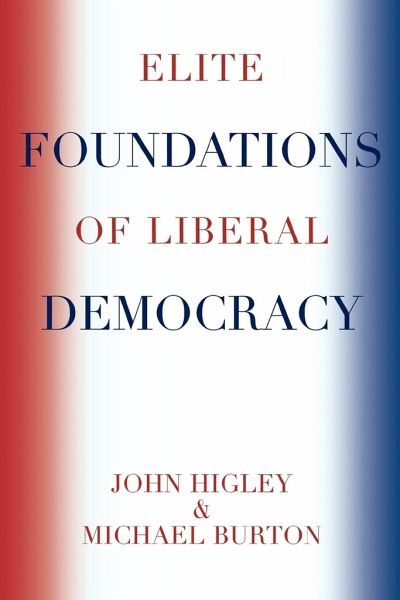
 Elite Foundations of Liberal Democracy132,99 €
 What leadership for the Democratic Republic of Congo?36,99 €
 Why Nationalism14,99 €
 Political Foundations of Judicial Independence in Dictatorship and Democracy101,99 €
 The Impact of Mass Mobilization on Elite Changes16,99 €
 The Foundations of Deliberative Democracy88,99 €
 Democracy and Empire, With Studies of Their Psychological, Economic, and Moral Foundations34,99 €





This compelling and convincing study, the capstone of decades of research, argues that political regimes are created and sustained by elites. Liberal democracies are no exception; they depend, above all, on the formation and persistence of consensually united elites. John Higley and Michael Burton explore the circumstances and ways in which such elites have formed in the modern world. They identify pressures that may cause a basic change in the structure and functioning of elites in established liberal democracies, and they ask if the elites cluster around George W. Bush are a harbinger of this change. The authors' powerful and important argument reframes our thinking about liberal democracy and questions optimistic assumptions about the prospects for its spread in the twenty-first century.