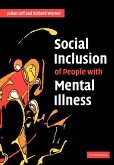
The lack of ability to emphathize is central to many psychiatric conditions. Empathy is affected by neurodevelopment, brain pathology and psychiatric illness. Empathy is both a state and a trait characteristic. Empathy is measurable by neuropsychological assessment and neuroimaging techniques. This book, first published in 2007, specifically focuses on the role of empathy in mental illness. It starts with the clinical psychiatric perspective and covers empathy in the context of mental illness, adult health, developmental course, and explanatory models. Psychiatrists, psychotherapists and…mehr
The lack of ability to emphathize is central to many psychiatric conditions. Empathy is affected by neurodevelopment, brain pathology and psychiatric illness. Empathy is both a state and a trait characteristic. Empathy is measurable by neuropsychological assessment and neuroimaging techniques. This book, first published in 2007, specifically focuses on the role of empathy in mental illness. It starts with the clinical psychiatric perspective and covers empathy in the context of mental illness, adult health, developmental course, and explanatory models. Psychiatrists, psychotherapists and mental heath professionals will find this a very useful reference for their work.
Part I. 'Dysempathy' in Psychiatric Samples: Foreword: empathy in mental illness Peter W. R. Woodruff; 1. Empathic dysfunction in psychopathic individuals James Blair; 2. Empathy deficits in schizophrenia Kwang H. Lee; 3. Empathy, antisocial behaviour and personality pathology Mairead Dolan and Rachael Fullam; 4. Empathy and depression Lynn O'Connor, Jack Berry, Thomas Lewis, Katherine Mulherin and Eunice Yi; 5. Empathy, social intelligence, and aggression in adolescent boys and girls Kaj Björkqvist; 6. Impaired empathy following ventromedial prefrontal brain damage Simone Shamay-Tsoory; 7. Non-autism childhood empathy disorders Christopher Gillberg; 8. Empathy and autism Peter Hobson; Part II. Empathy and Related Concepts in Health: 9. Neonatal antecedents for empathy Miguel Diego and Nancy Aaron Jones; 10. The evolutionary neurobiology, emergence and facilitation of empathy James Harris; 11. Naturally occurring variability in state empathy John Nezlek, Astrid Schütz, Paulo Lopes and C. Veronica Smith; 12. Neuroimaging of empathy Tom Farrow; 13. The neurophysiology of empathy Nancy Aaron Jones and Chantal Gagnon; 14. The cognitive neuropsychology of empathy Jean Decety, Philip Jackson and Eric Brunet; 15. The genetics of empathy and its disorders Henrik Anckarsäter and Robert Cloninger; 16. Empathogenic agents: their use, abuse, mechanism of action and addiction potential Dan Velea and Michel Hautefeuille; 17. Existential empathy: the intimacy of self and other Marco Iacoboni; 18. Empathizing and systemizing in males, females, and autism: a test of the neural competition theory Nigel Goldenfeld, Simon Baron-Cohen, Sally Wheelwright, Chris Ashwin and Bhismadev Chakrabarti; 19. Motivational-affective processing and the neural foundations of empathy India Morrison; 20. Face processing and empathy Tony Atkinson; Part III. Empathic Models, Regulation and Measurement of Empathy: 21. Balancing the empathy expense account: strategies for regulating empathic response Sara Hodges and Robert Biswas-Diener; 22. Empathic accuracy: measurement and potential clinical applications Marianne Schmid Mast and William Ickes; 23. A Perception-Action model for empathy Stephanie Preston; 24. The Shared Manifold Hypothesis: embodied simulation and its role in empathy and social cognition Vittorio Gallese; 25. Using literature and the arts to develop empathy in medical students Johanna Shapiro.
Part I. 'Dysempathy' in Psychiatric Samples: Foreword: empathy in mental illness Peter W. R. Woodruff; 1. Empathic dysfunction in psychopathic individuals James Blair; 2. Empathy deficits in schizophrenia Kwang H. Lee; 3. Empathy, antisocial behaviour and personality pathology Mairead Dolan and Rachael Fullam; 4. Empathy and depression Lynn O'Connor, Jack Berry, Thomas Lewis, Katherine Mulherin and Eunice Yi; 5. Empathy, social intelligence, and aggression in adolescent boys and girls Kaj Björkqvist; 6. Impaired empathy following ventromedial prefrontal brain damage Simone Shamay-Tsoory; 7. Non-autism childhood empathy disorders Christopher Gillberg; 8. Empathy and autism Peter Hobson; Part II. Empathy and Related Concepts in Health: 9. Neonatal antecedents for empathy Miguel Diego and Nancy Aaron Jones; 10. The evolutionary neurobiology, emergence and facilitation of empathy James Harris; 11. Naturally occurring variability in state empathy John Nezlek, Astrid Schütz, Paulo Lopes and C. Veronica Smith; 12. Neuroimaging of empathy Tom Farrow; 13. The neurophysiology of empathy Nancy Aaron Jones and Chantal Gagnon; 14. The cognitive neuropsychology of empathy Jean Decety, Philip Jackson and Eric Brunet; 15. The genetics of empathy and its disorders Henrik Anckarsäter and Robert Cloninger; 16. Empathogenic agents: their use, abuse, mechanism of action and addiction potential Dan Velea and Michel Hautefeuille; 17. Existential empathy: the intimacy of self and other Marco Iacoboni; 18. Empathizing and systemizing in males, females, and autism: a test of the neural competition theory Nigel Goldenfeld, Simon Baron-Cohen, Sally Wheelwright, Chris Ashwin and Bhismadev Chakrabarti; 19. Motivational-affective processing and the neural foundations of empathy India Morrison; 20. Face processing and empathy Tony Atkinson; Part III. Empathic Models, Regulation and Measurement of Empathy: 21. Balancing the empathy expense account: strategies for regulating empathic response Sara Hodges and Robert Biswas-Diener; 22. Empathic accuracy: measurement and potential clinical applications Marianne Schmid Mast and William Ickes; 23. A Perception-Action model for empathy Stephanie Preston; 24. The Shared Manifold Hypothesis: embodied simulation and its role in empathy and social cognition Vittorio Gallese; 25. Using literature and the arts to develop empathy in medical students Johanna Shapiro.
Es gelten unsere Allgemeinen Geschäftsbedingungen: www.buecher.de/agb
Impressum
www.buecher.de ist ein Internetauftritt der buecher.de internetstores GmbH
Geschäftsführung: Monica Sawhney | Roland Kölbl | Günter Hilger
Sitz der Gesellschaft: Batheyer Straße 115 - 117, 58099 Hagen
Postanschrift: Bürgermeister-Wegele-Str. 12, 86167 Augsburg
Amtsgericht Hagen HRB 13257
Steuernummer: 321/5800/1497
USt-IdNr: DE450055826