
Andere Kunden interessierten sich auch für
 Engaging Young Children in Mathematics95,99 €
 Engaging in Narrative Inquiries with Children and Youth56,99 €
 Engaging Diverse College Alumni51,99 €
 Supporting Student Transitions 14-1950,99 €
 Multicultural Education in Colleges and Universities49,99 €
 Engaging Social-Emotional Skits for Gifted Students34,99 €
 Engaging Minds in Science and Math Classrooms17,99 €





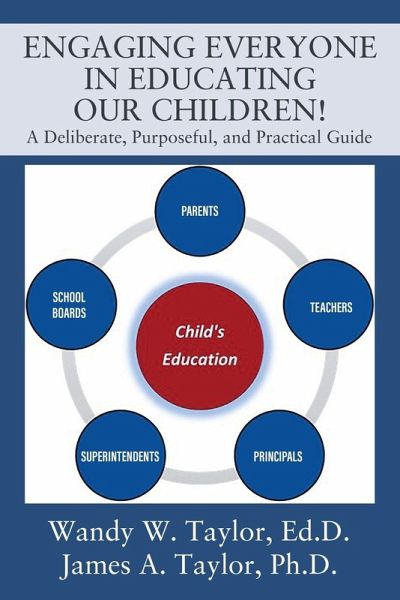
Many of our students are struggling! For example, reading scores for fourth-graders across America continued to decline in 2024. This is a critical finding because studies have shown that children who cannot read at grade level by the start of fourth grade are four times less likely to graduate on time. We can no longer attribute these problems solely to the effects of the 2020-2023 pandemic, because many of the difficulties actually began before COVID-19. Undoubtedly, the pandemic slowed or reversed academic progress for children across the nation, but the ramifications for parents and educators are loud and clear: it is incumbent on us to find solutions and not make excuses. The real path to improving K-12 public education lies with local control. Successful improvements in outcomes for students can occur when there is collaboration among five key stakeholder groups in any K-12 public school system: parents, teachers, school principals, school superintendents, and school boards. When these five groups are engaged collaboratively and purposefully toward the same goal of maximizing the educational potential of all children under their authority, they form a Circle of Engagement that stimulates student success.