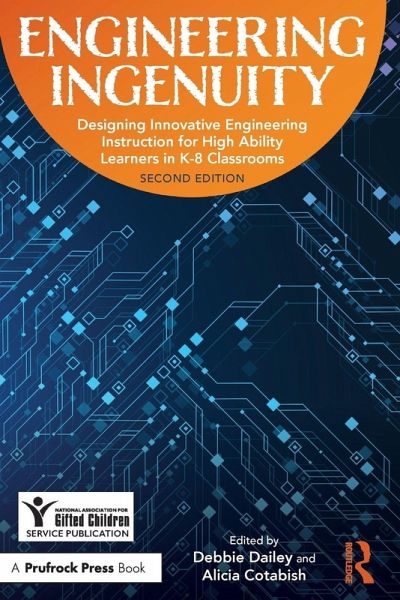
Engineering Ingenuity: Instruction for for High-Ability Learners in K-8 Classrooms offers a groundbreaking exploration of innovative strategies, interdisciplinary approaches, and cutting-edge technologies designed to empower gifted and talented students in STEM education.
Engineering Ingenuity: Instruction for for High-Ability Learners in K-8 Classrooms offers a groundbreaking exploration of innovative strategies, interdisciplinary approaches, and cutting-edge technologies designed to empower gifted and talented students in STEM education.
The National Association for Gifted Children's mission is to support those who enhance the growth and development of gifted and talented children through education, advocacy, community building, and research. NAGC aims to help parents and families, K-12 education professionals including support service personnel, and members of the research and higher education community who work to help gifted and talented children as they strive to achieve their personal best and contribute to their communities. Debbie Dailey, Ed.D., is Professor of Education and Interim Dean of the College of Education at the University of Central Arkansas. She has authored and co-authored multiple journal articles, books, book chapters, and products focused on K-12 STEM and gifted education. Alicia Cotabish, Ed.D.,is Professor of Teaching and Learning and Director of the Change Leadership PhD program at the University of Central Arkansas. She has co-authored seven books, numerous journal articles, book chapters, and products focused on K-20 STEM and gifted education.
Inhaltsangabe
Section 1. Engineering Across the Curriculum 1. Engineering Prepared Minds: Six Habits for Success 2. Interdisciplinary Approaches to Engineering 3. Contextualizing Science within Engineering Concepts 4. Contextualizing Mathematics within Engineering Concepts 5. Conceptual Integration between Science and Mathematics in Engineering 6. Engineering Literacy: Merging the Science of Reading with Engineering Principles Section 2: Pedagogical Strategies for Gifted Engineering Learners 7. Integrating Problem-Based Learning Into Engineering Curriculum for High-Ability Learners 8. Creating an Engaging Engineering Environment for Learning 9. Differentiated Instruction for Engineering Minds 10. Map Mats: Early Math and Spatial Learning through Play Section 3: Infusing Technology into Engineering Instruction 11. Engaging K-8 Learners in Engineering through Extended Reality Technologies: Possibilities and Constraints 12. Enhancing Engineering Education for Talented Learners with Coding and Computational Thinking 13. AI and Machine Learning in Gifted Education Section 4: Trends in Engineering Education for Gifted Learners 14. Preparing Students for the Global Workforce: A Talent Development Approach for Future and Current Engineering Students 15. Expanding Engineering Pathways for Gifted Learners 16. Creating Diverse and Inclusive Engineering Pathways 17. Cultivating Emerging Engineering Talent in K-8 Students 18. Gifted Learners Do Not Have Misconceptions - Do They? Engineering Projects as Contexts for Monitoring and Addressing Learners' Alternative Conceptions Appendix A Appendix B
Section 1. Engineering Across the Curriculum 1. Engineering Prepared Minds: Six Habits for Success 2. Interdisciplinary Approaches to Engineering 3. Contextualizing Science within Engineering Concepts 4. Contextualizing Mathematics within Engineering Concepts 5. Conceptual Integration between Science and Mathematics in Engineering 6. Engineering Literacy: Merging the Science of Reading with Engineering Principles Section 2: Pedagogical Strategies for Gifted Engineering Learners 7. Integrating Problem-Based Learning Into Engineering Curriculum for High-Ability Learners 8. Creating an Engaging Engineering Environment for Learning 9. Differentiated Instruction for Engineering Minds 10. Map Mats: Early Math and Spatial Learning through Play Section 3: Infusing Technology into Engineering Instruction 11. Engaging K-8 Learners in Engineering through Extended Reality Technologies: Possibilities and Constraints 12. Enhancing Engineering Education for Talented Learners with Coding and Computational Thinking 13. AI and Machine Learning in Gifted Education Section 4: Trends in Engineering Education for Gifted Learners 14. Preparing Students for the Global Workforce: A Talent Development Approach for Future and Current Engineering Students 15. Expanding Engineering Pathways for Gifted Learners 16. Creating Diverse and Inclusive Engineering Pathways 17. Cultivating Emerging Engineering Talent in K-8 Students 18. Gifted Learners Do Not Have Misconceptions - Do They? Engineering Projects as Contexts for Monitoring and Addressing Learners' Alternative Conceptions Appendix A Appendix B
Es gelten unsere Allgemeinen Geschäftsbedingungen: www.buecher.de/agb
Impressum
www.buecher.de ist ein Internetauftritt der buecher.de internetstores GmbH
Geschäftsführung: Monica Sawhney | Roland Kölbl | Günter Hilger
Sitz der Gesellschaft: Batheyer Straße 115 - 117, 58099 Hagen
Postanschrift: Bürgermeister-Wegele-Str. 12, 86167 Augsburg
Amtsgericht Hagen HRB 13257
Steuernummer: 321/5800/1497
USt-IdNr: DE450055826