
- Gebundenes Buch
- Merkliste
- Auf die Merkliste
- Bewerten Bewerten
- Teilen
- Produkt teilen
- Produkterinnerung
- Produkterinnerung
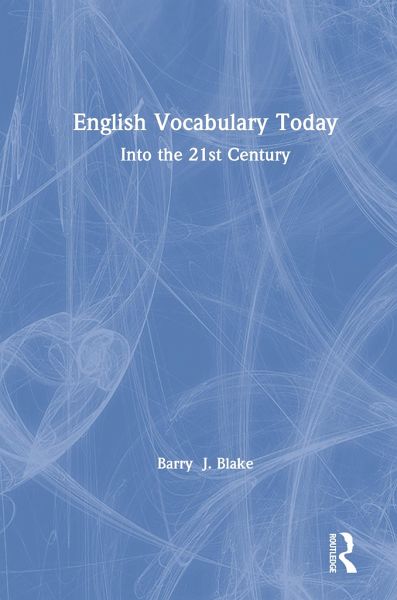
English Vocabulary Today: Into the 21st Century offers an innovative perspective on the ways in which contemporary English language vocabulary continues to adapt and grow in light of emerging technologies and ideas.
Andere Kunden interessierten sich auch für
 Irene RanzatoTranslating Culture Specific References on Television185,99 €
 Christopher MoseleyEncyclopedia of the World's Endangered Languages433,99 €
 Bozena DudaThe Synonyms of 'Fallen Woman' in the History of the English Language70,50 €
 Mikroglottika Yearbook 200991,55 €
 Languages in Jewish Communities, Past and Present49,95 €
 Vielsprachiges Europa77,40 €
 Silke WiechersDie Gesellschaft für deutsche Sprache104,20 €
-
-
-




English Vocabulary Today: Into the 21st Century offers an innovative perspective on the ways in which contemporary English language vocabulary continues to adapt and grow in light of emerging technologies and ideas.
Produktdetails
- Produktdetails
- Verlag: Routledge
- Seitenzahl: 194
- Erscheinungstermin: 4. Februar 2019
- Englisch
- Abmessung: 235mm x 157mm x 15mm
- Gewicht: 440g
- ISBN-13: 9780367001698
- ISBN-10: 0367001691
- Artikelnr.: 56925225
- Herstellerkennzeichnung
- Libri GmbH
- Europaallee 1
- 36244 Bad Hersfeld
- gpsr@libri.de
- Verlag: Routledge
- Seitenzahl: 194
- Erscheinungstermin: 4. Februar 2019
- Englisch
- Abmessung: 235mm x 157mm x 15mm
- Gewicht: 440g
- ISBN-13: 9780367001698
- ISBN-10: 0367001691
- Artikelnr.: 56925225
- Herstellerkennzeichnung
- Libri GmbH
- Europaallee 1
- 36244 Bad Hersfeld
- gpsr@libri.de
Table of contents
Introduction
1 A brief history
2 The dictionary
2.1 About the size of it
2.2 Part-of-speech
2.3 Set phrases
2.4 Spelling and pronunciation
2.5 Etymology
3 The mental lexicon
3.1 An entry in the mental lexicon
3.2 View of the world
4 Extension
4.1 Metaphor and metonymy
4.2 Verbs and prepositions
5 Change of meaning
5.1 New meanings for old words
5.1.1 Updating of the referent
5.1.2 Application to a new domain
5.1.3 Reinterpretation
5.1.4 Frequency considerations
5.1.5 Point of view
5.1.6 Weakening
5.1.7 Phrase abbreviation
5.2 New words for old meanings
5.2.1 Fashion
5.2.2 Euphemism
5.3 Respelling
5.4 Relics
6 Meaningful relations
6.1 Hyponyms and hypernyms
6.2 Synonyms
6.3 Antonyms
6.4 Homonyms (Homophones and homographs)
6.5 Contronyms
6.6 Retronyms
7 Compounds and blends
7.1 Compounds
7.2 Neo-classical compounds
7.3 Blends
8 Affixes
8.1 Prefixes and suffixes
8.2 Back formation
9 Zero derivation
9.1 Noun to verb
9.2 Noun to adjective
9.3 Verb to noun
9.4 Verb to adjective
9.5 Adjective to noun
9.6 Adjective to verb
9.7 Other conversions
9.8 Proper names to common nouns
10 Shortening, alphabetisms and acronyms
10.1 Shortening or clipping
10.2 Alphabetisms
10.3 Textese
10.4 Acronyms
11 Reduplication
11.1 Plain reduplication
11.2 Reduplication with vowel alternation
11.3 Rhyming reduplication
12 Imports
12.1 Loan-words
12.2 Cultural contact in Europe
12.3 Contact with colonised areas
12.4 Immigration into English-speaking areas
13 Inclusive language
13.1 A changed world
13.2 The discourse of inclusion
13.3 Politically correct English
13.4 Talking about women
13.5 Language and race
13.6 Heterosexism
13.7 Disability
14 When sound echoes sense
14.1 Onomatopoeia
14.2 Vowels
14.3 Consonants
14.4 Sound symbolism
14.5 Names
14.6 Overview
15 A form of words
15.1 Resemblances
15.2 Malapropisms
15.3 Words similar in form and meaning
15.4 Folk etymology
15.5 Avoidance
15.6 Interference
15.7 Word play
16 Allusion
17 Slang
17.1 Slang in general
17.2 The inventiveness of slang
17.3 The attitude of slang
17.4 Is slang ephemeral?
17.5 The local nature of slang
17.6 Slang and jargon
17.7 Argots and 'secret languages'
17.7.1 Back slang
17.7.2 Rhyming slang
17.7.3 Pig Latin
18 English exported
19 English today
Further reading
References
Introduction
1 A brief history
2 The dictionary
2.1 About the size of it
2.2 Part-of-speech
2.3 Set phrases
2.4 Spelling and pronunciation
2.5 Etymology
3 The mental lexicon
3.1 An entry in the mental lexicon
3.2 View of the world
4 Extension
4.1 Metaphor and metonymy
4.2 Verbs and prepositions
5 Change of meaning
5.1 New meanings for old words
5.1.1 Updating of the referent
5.1.2 Application to a new domain
5.1.3 Reinterpretation
5.1.4 Frequency considerations
5.1.5 Point of view
5.1.6 Weakening
5.1.7 Phrase abbreviation
5.2 New words for old meanings
5.2.1 Fashion
5.2.2 Euphemism
5.3 Respelling
5.4 Relics
6 Meaningful relations
6.1 Hyponyms and hypernyms
6.2 Synonyms
6.3 Antonyms
6.4 Homonyms (Homophones and homographs)
6.5 Contronyms
6.6 Retronyms
7 Compounds and blends
7.1 Compounds
7.2 Neo-classical compounds
7.3 Blends
8 Affixes
8.1 Prefixes and suffixes
8.2 Back formation
9 Zero derivation
9.1 Noun to verb
9.2 Noun to adjective
9.3 Verb to noun
9.4 Verb to adjective
9.5 Adjective to noun
9.6 Adjective to verb
9.7 Other conversions
9.8 Proper names to common nouns
10 Shortening, alphabetisms and acronyms
10.1 Shortening or clipping
10.2 Alphabetisms
10.3 Textese
10.4 Acronyms
11 Reduplication
11.1 Plain reduplication
11.2 Reduplication with vowel alternation
11.3 Rhyming reduplication
12 Imports
12.1 Loan-words
12.2 Cultural contact in Europe
12.3 Contact with colonised areas
12.4 Immigration into English-speaking areas
13 Inclusive language
13.1 A changed world
13.2 The discourse of inclusion
13.3 Politically correct English
13.4 Talking about women
13.5 Language and race
13.6 Heterosexism
13.7 Disability
14 When sound echoes sense
14.1 Onomatopoeia
14.2 Vowels
14.3 Consonants
14.4 Sound symbolism
14.5 Names
14.6 Overview
15 A form of words
15.1 Resemblances
15.2 Malapropisms
15.3 Words similar in form and meaning
15.4 Folk etymology
15.5 Avoidance
15.6 Interference
15.7 Word play
16 Allusion
17 Slang
17.1 Slang in general
17.2 The inventiveness of slang
17.3 The attitude of slang
17.4 Is slang ephemeral?
17.5 The local nature of slang
17.6 Slang and jargon
17.7 Argots and 'secret languages'
17.7.1 Back slang
17.7.2 Rhyming slang
17.7.3 Pig Latin
18 English exported
19 English today
Further reading
References
Table of contents
Introduction
1 A brief history
2 The dictionary
2.1 About the size of it
2.2 Part-of-speech
2.3 Set phrases
2.4 Spelling and pronunciation
2.5 Etymology
3 The mental lexicon
3.1 An entry in the mental lexicon
3.2 View of the world
4 Extension
4.1 Metaphor and metonymy
4.2 Verbs and prepositions
5 Change of meaning
5.1 New meanings for old words
5.1.1 Updating of the referent
5.1.2 Application to a new domain
5.1.3 Reinterpretation
5.1.4 Frequency considerations
5.1.5 Point of view
5.1.6 Weakening
5.1.7 Phrase abbreviation
5.2 New words for old meanings
5.2.1 Fashion
5.2.2 Euphemism
5.3 Respelling
5.4 Relics
6 Meaningful relations
6.1 Hyponyms and hypernyms
6.2 Synonyms
6.3 Antonyms
6.4 Homonyms (Homophones and homographs)
6.5 Contronyms
6.6 Retronyms
7 Compounds and blends
7.1 Compounds
7.2 Neo-classical compounds
7.3 Blends
8 Affixes
8.1 Prefixes and suffixes
8.2 Back formation
9 Zero derivation
9.1 Noun to verb
9.2 Noun to adjective
9.3 Verb to noun
9.4 Verb to adjective
9.5 Adjective to noun
9.6 Adjective to verb
9.7 Other conversions
9.8 Proper names to common nouns
10 Shortening, alphabetisms and acronyms
10.1 Shortening or clipping
10.2 Alphabetisms
10.3 Textese
10.4 Acronyms
11 Reduplication
11.1 Plain reduplication
11.2 Reduplication with vowel alternation
11.3 Rhyming reduplication
12 Imports
12.1 Loan-words
12.2 Cultural contact in Europe
12.3 Contact with colonised areas
12.4 Immigration into English-speaking areas
13 Inclusive language
13.1 A changed world
13.2 The discourse of inclusion
13.3 Politically correct English
13.4 Talking about women
13.5 Language and race
13.6 Heterosexism
13.7 Disability
14 When sound echoes sense
14.1 Onomatopoeia
14.2 Vowels
14.3 Consonants
14.4 Sound symbolism
14.5 Names
14.6 Overview
15 A form of words
15.1 Resemblances
15.2 Malapropisms
15.3 Words similar in form and meaning
15.4 Folk etymology
15.5 Avoidance
15.6 Interference
15.7 Word play
16 Allusion
17 Slang
17.1 Slang in general
17.2 The inventiveness of slang
17.3 The attitude of slang
17.4 Is slang ephemeral?
17.5 The local nature of slang
17.6 Slang and jargon
17.7 Argots and 'secret languages'
17.7.1 Back slang
17.7.2 Rhyming slang
17.7.3 Pig Latin
18 English exported
19 English today
Further reading
References
Introduction
1 A brief history
2 The dictionary
2.1 About the size of it
2.2 Part-of-speech
2.3 Set phrases
2.4 Spelling and pronunciation
2.5 Etymology
3 The mental lexicon
3.1 An entry in the mental lexicon
3.2 View of the world
4 Extension
4.1 Metaphor and metonymy
4.2 Verbs and prepositions
5 Change of meaning
5.1 New meanings for old words
5.1.1 Updating of the referent
5.1.2 Application to a new domain
5.1.3 Reinterpretation
5.1.4 Frequency considerations
5.1.5 Point of view
5.1.6 Weakening
5.1.7 Phrase abbreviation
5.2 New words for old meanings
5.2.1 Fashion
5.2.2 Euphemism
5.3 Respelling
5.4 Relics
6 Meaningful relations
6.1 Hyponyms and hypernyms
6.2 Synonyms
6.3 Antonyms
6.4 Homonyms (Homophones and homographs)
6.5 Contronyms
6.6 Retronyms
7 Compounds and blends
7.1 Compounds
7.2 Neo-classical compounds
7.3 Blends
8 Affixes
8.1 Prefixes and suffixes
8.2 Back formation
9 Zero derivation
9.1 Noun to verb
9.2 Noun to adjective
9.3 Verb to noun
9.4 Verb to adjective
9.5 Adjective to noun
9.6 Adjective to verb
9.7 Other conversions
9.8 Proper names to common nouns
10 Shortening, alphabetisms and acronyms
10.1 Shortening or clipping
10.2 Alphabetisms
10.3 Textese
10.4 Acronyms
11 Reduplication
11.1 Plain reduplication
11.2 Reduplication with vowel alternation
11.3 Rhyming reduplication
12 Imports
12.1 Loan-words
12.2 Cultural contact in Europe
12.3 Contact with colonised areas
12.4 Immigration into English-speaking areas
13 Inclusive language
13.1 A changed world
13.2 The discourse of inclusion
13.3 Politically correct English
13.4 Talking about women
13.5 Language and race
13.6 Heterosexism
13.7 Disability
14 When sound echoes sense
14.1 Onomatopoeia
14.2 Vowels
14.3 Consonants
14.4 Sound symbolism
14.5 Names
14.6 Overview
15 A form of words
15.1 Resemblances
15.2 Malapropisms
15.3 Words similar in form and meaning
15.4 Folk etymology
15.5 Avoidance
15.6 Interference
15.7 Word play
16 Allusion
17 Slang
17.1 Slang in general
17.2 The inventiveness of slang
17.3 The attitude of slang
17.4 Is slang ephemeral?
17.5 The local nature of slang
17.6 Slang and jargon
17.7 Argots and 'secret languages'
17.7.1 Back slang
17.7.2 Rhyming slang
17.7.3 Pig Latin
18 English exported
19 English today
Further reading
References
Table of contents
Introduction
1 A brief history
2 The dictionary
2.1 About the size of it
2.2 Part-of-speech
2.3 Set phrases
2.4 Spelling and pronunciation
2.5 Etymology
3 The mental lexicon
3.1 An entry in the mental lexicon
3.2 View of the world
4 Extension
4.1 Metaphor and metonymy
4.2 Verbs and prepositions
5 Change of meaning
5.1 New meanings for old words
5.1.1 Updating of the referent
5.1.2 Application to a new domain
5.1.3 Reinterpretation
5.1.4 Frequency considerations
5.1.5 Point of view
5.1.6 Weakening
5.1.7 Phrase abbreviation
5.2 New words for old meanings
5.2.1 Fashion
5.2.2 Euphemism
5.3 Respelling
5.4 Relics
6 Meaningful relations
6.1 Hyponyms and hypernyms
6.2 Synonyms
6.3 Antonyms
6.4 Homonyms (Homophones and homographs)
6.5 Contronyms
6.6 Retronyms
7 Compounds and blends
7.1 Compounds
7.2 Neo-classical compounds
7.3 Blends
8 Affixes
8.1 Prefixes and suffixes
8.2 Back formation
9 Zero derivation
9.1 Noun to verb
9.2 Noun to adjective
9.3 Verb to noun
9.4 Verb to adjective
9.5 Adjective to noun
9.6 Adjective to verb
9.7 Other conversions
9.8 Proper names to common nouns
10 Shortening, alphabetisms and acronyms
10.1 Shortening or clipping
10.2 Alphabetisms
10.3 Textese
10.4 Acronyms
11 Reduplication
11.1 Plain reduplication
11.2 Reduplication with vowel alternation
11.3 Rhyming reduplication
12 Imports
12.1 Loan-words
12.2 Cultural contact in Europe
12.3 Contact with colonised areas
12.4 Immigration into English-speaking areas
13 Inclusive language
13.1 A changed world
13.2 The discourse of inclusion
13.3 Politically correct English
13.4 Talking about women
13.5 Language and race
13.6 Heterosexism
13.7 Disability
14 When sound echoes sense
14.1 Onomatopoeia
14.2 Vowels
14.3 Consonants
14.4 Sound symbolism
14.5 Names
14.6 Overview
15 A form of words
15.1 Resemblances
15.2 Malapropisms
15.3 Words similar in form and meaning
15.4 Folk etymology
15.5 Avoidance
15.6 Interference
15.7 Word play
16 Allusion
17 Slang
17.1 Slang in general
17.2 The inventiveness of slang
17.3 The attitude of slang
17.4 Is slang ephemeral?
17.5 The local nature of slang
17.6 Slang and jargon
17.7 Argots and 'secret languages'
17.7.1 Back slang
17.7.2 Rhyming slang
17.7.3 Pig Latin
18 English exported
19 English today
Further reading
References
Introduction
1 A brief history
2 The dictionary
2.1 About the size of it
2.2 Part-of-speech
2.3 Set phrases
2.4 Spelling and pronunciation
2.5 Etymology
3 The mental lexicon
3.1 An entry in the mental lexicon
3.2 View of the world
4 Extension
4.1 Metaphor and metonymy
4.2 Verbs and prepositions
5 Change of meaning
5.1 New meanings for old words
5.1.1 Updating of the referent
5.1.2 Application to a new domain
5.1.3 Reinterpretation
5.1.4 Frequency considerations
5.1.5 Point of view
5.1.6 Weakening
5.1.7 Phrase abbreviation
5.2 New words for old meanings
5.2.1 Fashion
5.2.2 Euphemism
5.3 Respelling
5.4 Relics
6 Meaningful relations
6.1 Hyponyms and hypernyms
6.2 Synonyms
6.3 Antonyms
6.4 Homonyms (Homophones and homographs)
6.5 Contronyms
6.6 Retronyms
7 Compounds and blends
7.1 Compounds
7.2 Neo-classical compounds
7.3 Blends
8 Affixes
8.1 Prefixes and suffixes
8.2 Back formation
9 Zero derivation
9.1 Noun to verb
9.2 Noun to adjective
9.3 Verb to noun
9.4 Verb to adjective
9.5 Adjective to noun
9.6 Adjective to verb
9.7 Other conversions
9.8 Proper names to common nouns
10 Shortening, alphabetisms and acronyms
10.1 Shortening or clipping
10.2 Alphabetisms
10.3 Textese
10.4 Acronyms
11 Reduplication
11.1 Plain reduplication
11.2 Reduplication with vowel alternation
11.3 Rhyming reduplication
12 Imports
12.1 Loan-words
12.2 Cultural contact in Europe
12.3 Contact with colonised areas
12.4 Immigration into English-speaking areas
13 Inclusive language
13.1 A changed world
13.2 The discourse of inclusion
13.3 Politically correct English
13.4 Talking about women
13.5 Language and race
13.6 Heterosexism
13.7 Disability
14 When sound echoes sense
14.1 Onomatopoeia
14.2 Vowels
14.3 Consonants
14.4 Sound symbolism
14.5 Names
14.6 Overview
15 A form of words
15.1 Resemblances
15.2 Malapropisms
15.3 Words similar in form and meaning
15.4 Folk etymology
15.5 Avoidance
15.6 Interference
15.7 Word play
16 Allusion
17 Slang
17.1 Slang in general
17.2 The inventiveness of slang
17.3 The attitude of slang
17.4 Is slang ephemeral?
17.5 The local nature of slang
17.6 Slang and jargon
17.7 Argots and 'secret languages'
17.7.1 Back slang
17.7.2 Rhyming slang
17.7.3 Pig Latin
18 English exported
19 English today
Further reading
References
Table of contents
Introduction
1 A brief history
2 The dictionary
2.1 About the size of it
2.2 Part-of-speech
2.3 Set phrases
2.4 Spelling and pronunciation
2.5 Etymology
3 The mental lexicon
3.1 An entry in the mental lexicon
3.2 View of the world
4 Extension
4.1 Metaphor and metonymy
4.2 Verbs and prepositions
5 Change of meaning
5.1 New meanings for old words
5.1.1 Updating of the referent
5.1.2 Application to a new domain
5.1.3 Reinterpretation
5.1.4 Frequency considerations
5.1.5 Point of view
5.1.6 Weakening
5.1.7 Phrase abbreviation
5.2 New words for old meanings
5.2.1 Fashion
5.2.2 Euphemism
5.3 Respelling
5.4 Relics
6 Meaningful relations
6.1 Hyponyms and hypernyms
6.2 Synonyms
6.3 Antonyms
6.4 Homonyms (Homophones and homographs)
6.5 Contronyms
6.6 Retronyms
7 Compounds and blends
7.1 Compounds
7.2 Neo-classical compounds
7.3 Blends
8 Affixes
8.1 Prefixes and suffixes
8.2 Back formation
9 Zero derivation
9.1 Noun to verb
9.2 Noun to adjective
9.3 Verb to noun
9.4 Verb to adjective
9.5 Adjective to noun
9.6 Adjective to verb
9.7 Other conversions
9.8 Proper names to common nouns
10 Shortening, alphabetisms and acronyms
10.1 Shortening or clipping
10.2 Alphabetisms
10.3 Textese
10.4 Acronyms
11 Reduplication
11.1 Plain reduplication
11.2 Reduplication with vowel alternation
11.3 Rhyming reduplication
12 Imports
12.1 Loan-words
12.2 Cultural contact in Europe
12.3 Contact with colonised areas
12.4 Immigration into English-speaking areas
13 Inclusive language
13.1 A changed world
13.2 The discourse of inclusion
13.3 Politically correct English
13.4 Talking about women
13.5 Language and race
13.6 Heterosexism
13.7 Disability
14 When sound echoes sense
14.1 Onomatopoeia
14.2 Vowels
14.3 Consonants
14.4 Sound symbolism
14.5 Names
14.6 Overview
15 A form of words
15.1 Resemblances
15.2 Malapropisms
15.3 Words similar in form and meaning
15.4 Folk etymology
15.5 Avoidance
15.6 Interference
15.7 Word play
16 Allusion
17 Slang
17.1 Slang in general
17.2 The inventiveness of slang
17.3 The attitude of slang
17.4 Is slang ephemeral?
17.5 The local nature of slang
17.6 Slang and jargon
17.7 Argots and 'secret languages'
17.7.1 Back slang
17.7.2 Rhyming slang
17.7.3 Pig Latin
18 English exported
19 English today
Further reading
References
Introduction
1 A brief history
2 The dictionary
2.1 About the size of it
2.2 Part-of-speech
2.3 Set phrases
2.4 Spelling and pronunciation
2.5 Etymology
3 The mental lexicon
3.1 An entry in the mental lexicon
3.2 View of the world
4 Extension
4.1 Metaphor and metonymy
4.2 Verbs and prepositions
5 Change of meaning
5.1 New meanings for old words
5.1.1 Updating of the referent
5.1.2 Application to a new domain
5.1.3 Reinterpretation
5.1.4 Frequency considerations
5.1.5 Point of view
5.1.6 Weakening
5.1.7 Phrase abbreviation
5.2 New words for old meanings
5.2.1 Fashion
5.2.2 Euphemism
5.3 Respelling
5.4 Relics
6 Meaningful relations
6.1 Hyponyms and hypernyms
6.2 Synonyms
6.3 Antonyms
6.4 Homonyms (Homophones and homographs)
6.5 Contronyms
6.6 Retronyms
7 Compounds and blends
7.1 Compounds
7.2 Neo-classical compounds
7.3 Blends
8 Affixes
8.1 Prefixes and suffixes
8.2 Back formation
9 Zero derivation
9.1 Noun to verb
9.2 Noun to adjective
9.3 Verb to noun
9.4 Verb to adjective
9.5 Adjective to noun
9.6 Adjective to verb
9.7 Other conversions
9.8 Proper names to common nouns
10 Shortening, alphabetisms and acronyms
10.1 Shortening or clipping
10.2 Alphabetisms
10.3 Textese
10.4 Acronyms
11 Reduplication
11.1 Plain reduplication
11.2 Reduplication with vowel alternation
11.3 Rhyming reduplication
12 Imports
12.1 Loan-words
12.2 Cultural contact in Europe
12.3 Contact with colonised areas
12.4 Immigration into English-speaking areas
13 Inclusive language
13.1 A changed world
13.2 The discourse of inclusion
13.3 Politically correct English
13.4 Talking about women
13.5 Language and race
13.6 Heterosexism
13.7 Disability
14 When sound echoes sense
14.1 Onomatopoeia
14.2 Vowels
14.3 Consonants
14.4 Sound symbolism
14.5 Names
14.6 Overview
15 A form of words
15.1 Resemblances
15.2 Malapropisms
15.3 Words similar in form and meaning
15.4 Folk etymology
15.5 Avoidance
15.6 Interference
15.7 Word play
16 Allusion
17 Slang
17.1 Slang in general
17.2 The inventiveness of slang
17.3 The attitude of slang
17.4 Is slang ephemeral?
17.5 The local nature of slang
17.6 Slang and jargon
17.7 Argots and 'secret languages'
17.7.1 Back slang
17.7.2 Rhyming slang
17.7.3 Pig Latin
18 English exported
19 English today
Further reading
References