The end of the post-war economic boom was marked by the recognition of the environmental problem with the oil crises of the 1970s and, in 1972, the first major UN conference devoted to the human environment. Successive international meetings have resulted in a context where technical change, innovation and industry have assumed a central place in the creation of a new model of society. Against this consensus, the author demonstrates from economic analysis and wide-ranging examples that the environmental innovation doctrine and ecodesign methods remain fragile and can lead to paradoxical results.…mehr
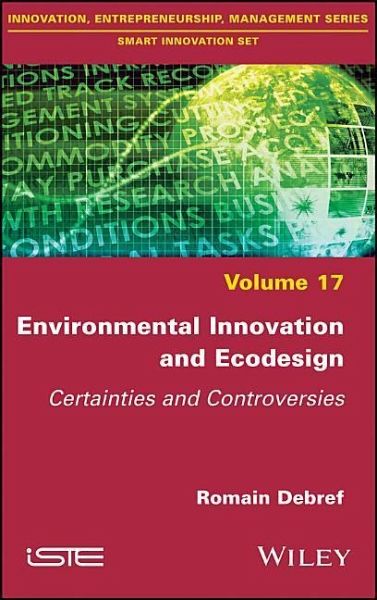
The end of the post-war economic boom was marked by the recognition of the environmental problem with the oil crises of the 1970s and, in 1972, the first major UN conference devoted to the human environment. Successive international meetings have resulted in a context where technical change, innovation and industry have assumed a central place in the creation of a new model of society. Against this consensus, the author demonstrates from economic analysis and wide-ranging examples that the environmental innovation doctrine and ecodesign methods remain fragile and can lead to paradoxical results.
Romain Debref, general secretary of the Research Network on Innovation, is an Associate Professor in Economics at the University of Reims in France and a member of the REGARDS Research Unit, France. His work lies on the border between innovation and ecological economics. He is a member of the BIOCA project (Bioeconomy in Champagne-Ardenne - PSDR 4).
Inhaltsangabe
Foreword ix Introduction xiii Chapter 1. Environmental Innovation: A Controversial Doctrine 1 1.1. Progressive conceptualization of "environmental innovation": a journey back through 40 years of controversies 3 1.1.1. Environmental concerns and innovations: the first proposals of economic theory during the 1970s 4 1.1.2. Involvement in environmental technologies and green growth in the 1980s 13 1.1.3. Diverse theoretical appropriations of the concept by economic sciences from the 1990s onwards 18 1.1.4. Conceptual beginnings and an existential crisis in environmental innovations during the 2000s 24 1.2. Critical analysis of the typology of environmental innovations 33 1.2.1. Degrees of change of environmental innovation 34 1.2.2. "End-of-pipe" technologies: a limited palliative approach to conservation of the environment? 36 1.2.3. Clean technologies, a preventive, radical and modular approach 39 1.2.4. The circular economy: Another form of systemic environmental innovation 42 1.2.5. The quest for eco-efficiency, an objective based on a productivist approach 50 1.3. Drivers of environmental innovation in the face of institutional tensions 55 1.3.1. Modifying the dominant design, thanks to transition management theory 56 1.3.2. Moving towards a specificity of technological trajectories of environmental innovations? 59 1.3.3. Creation of technical conventions promoting conservation of the environment 64 1.3.4. The rebound effect, the forgotten impacts and macrosystemic crises 70 1.4. Conclusion 76 Chapter 2. Ecodesign and Technological Change: A Missed Opportunity? 79 2.1. Ecodesign and the dispute over methods 80 2.1.1. Ecodesign during the 1970s, the metronome of a new mode of development 81 2.1.2. First theorization and confrontation with reality during the course of the 1980s 85 2.1.3. Birth of sustainable development and a rocky start for industrialists 86 2.1.4. The limited effects of an "open" ecodesign philosophy 88 2.2. The main determining factors of ecodesign 96 2.2.1. Integration of the environment: the end result of total quality management 96 2.2.2. Towards environmental declarations about products 104 2.2.3. A multitude of tools to encourage ecodesign 106 2.3. Product life cycle analysis: a limited tool for decision-making in the face of complexity 107 2.3.1. Towards supremacy of the life cycle analysis 108 2.3.2. Product life cycle analysis: a tool weakened by complexity 113 2.4. Ecodesign confronted with environmental and economic problems 116 2.4.1. The different concepts of the environment, a multi-dimensional and complex notion 117 2.4.2. The environment from the perspective of Boltanski and Thévenot's "worlds" 118 2.4.3. Towards a "tragedy of change"? 121 2.5. Conclusion 126 Conclusion 129 Appendix 133 Bibliography 143 Index 165
Foreword ix Introduction xiii Chapter 1. Environmental Innovation: A Controversial Doctrine 1 1.1. Progressive conceptualization of "environmental innovation": a journey back through 40 years of controversies 3 1.1.1. Environmental concerns and innovations: the first proposals of economic theory during the 1970s 4 1.1.2. Involvement in environmental technologies and green growth in the 1980s 13 1.1.3. Diverse theoretical appropriations of the concept by economic sciences from the 1990s onwards 18 1.1.4. Conceptual beginnings and an existential crisis in environmental innovations during the 2000s 24 1.2. Critical analysis of the typology of environmental innovations 33 1.2.1. Degrees of change of environmental innovation 34 1.2.2. "End-of-pipe" technologies: a limited palliative approach to conservation of the environment? 36 1.2.3. Clean technologies, a preventive, radical and modular approach 39 1.2.4. The circular economy: Another form of systemic environmental innovation 42 1.2.5. The quest for eco-efficiency, an objective based on a productivist approach 50 1.3. Drivers of environmental innovation in the face of institutional tensions 55 1.3.1. Modifying the dominant design, thanks to transition management theory 56 1.3.2. Moving towards a specificity of technological trajectories of environmental innovations? 59 1.3.3. Creation of technical conventions promoting conservation of the environment 64 1.3.4. The rebound effect, the forgotten impacts and macrosystemic crises 70 1.4. Conclusion 76 Chapter 2. Ecodesign and Technological Change: A Missed Opportunity? 79 2.1. Ecodesign and the dispute over methods 80 2.1.1. Ecodesign during the 1970s, the metronome of a new mode of development 81 2.1.2. First theorization and confrontation with reality during the course of the 1980s 85 2.1.3. Birth of sustainable development and a rocky start for industrialists 86 2.1.4. The limited effects of an "open" ecodesign philosophy 88 2.2. The main determining factors of ecodesign 96 2.2.1. Integration of the environment: the end result of total quality management 96 2.2.2. Towards environmental declarations about products 104 2.2.3. A multitude of tools to encourage ecodesign 106 2.3. Product life cycle analysis: a limited tool for decision-making in the face of complexity 107 2.3.1. Towards supremacy of the life cycle analysis 108 2.3.2. Product life cycle analysis: a tool weakened by complexity 113 2.4. Ecodesign confronted with environmental and economic problems 116 2.4.1. The different concepts of the environment, a multi-dimensional and complex notion 117 2.4.2. The environment from the perspective of Boltanski and Thévenot's "worlds" 118 2.4.3. Towards a "tragedy of change"? 121 2.5. Conclusion 126 Conclusion 129 Appendix 133 Bibliography 143 Index 165
Es gelten unsere Allgemeinen Geschäftsbedingungen: www.buecher.de/agb
Impressum
www.buecher.de ist ein Internetauftritt der buecher.de internetstores GmbH
Geschäftsführung: Monica Sawhney | Roland Kölbl | Günter Hilger
Sitz der Gesellschaft: Batheyer Straße 115 - 117, 58099 Hagen
Postanschrift: Bürgermeister-Wegele-Str. 12, 86167 Augsburg
Amtsgericht Hagen HRB 13257
Steuernummer: 321/5800/1497
USt-IdNr: DE450055826