
Andere Kunden interessierten sich auch für
 A day in Turkey: or, the Russian slaves. A comedy22,00 €
 Secret Love; or, The Maiden Queen15,00 €
 The Assignation; or, Love in a Nunnery15,00 €
 The Dramatist; or, Stop Him Who Can15,00 €
 Almanzor and Almahide, or, The Conquest of Granada19,00 €
 A school for greybeards: or, the mourning bride: a comedy22,90 €
 The Minstrel, or, The Progress of Genius15,00 €



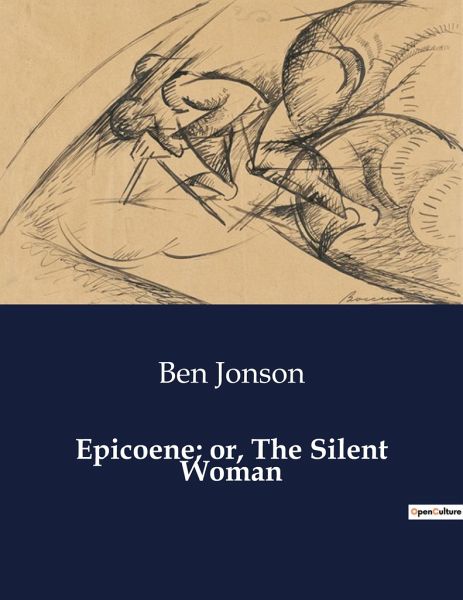
What happens when silence becomes the loudest voice in the room? In Ben Jonson's "Epicoene; or, The Silent Woman," the bustling streets of early 17th-century London set the stage for a comedic exploration of gender roles, societal expectations, and the pursuit of personal desires. The play unfolds in a world where appearances often deceive, and the quest for control and influence drives the actions of its characters. The central figure, Morose, is a wealthy, noise-averse bachelor who despises the clamor of city life. His peculiar aversion to sound leads him to seek a silent wife, believing that such a union will grant him the peace he craves. Enter Epicoene, a seemingly mute woman who appears to be the perfect match. However, as the plot thickens, the true nature of Epicoene and the intentions of those around Morose are revealed, leading to a series of humorous and unexpected twists. Jonson's work is a masterful commentary on the social dynamics of his time, cleverly critiquing the rigid gender norms and the superficiality of societal interactions. Through witty dialogue and intricate character development, the play challenges the audience to question the authenticity of the personas people adopt to navigate their social environments. The themes of deception, identity, and the subversion of traditional roles are woven throughout the narrative, offering a timeless reflection on human behavior. By unraveling the layers of pretense and exploring the consequences of Morose's choices, "Epicoene; or, The Silent Woman" invites readers to consider the complexities of communication and the power dynamics inherent in relationships. The play's enduring appeal lies in its ability to entertain while simultaneously prompting introspection about the roles we play in our own lives.