- Broschiertes Buch
- Merkliste
- Auf die Merkliste
- Bewerten Bewerten
- Teilen
- Produkt teilen
- Produkterinnerung
- Produkterinnerung
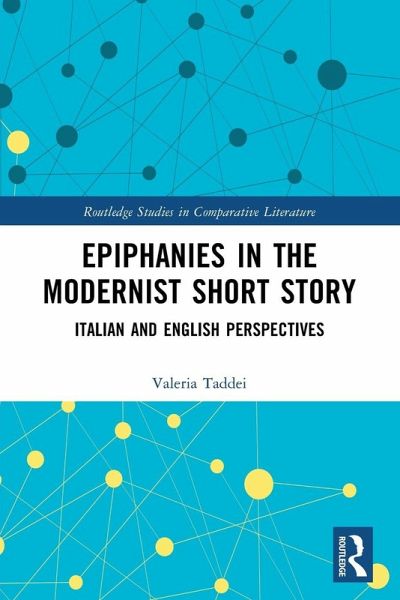
This book embraces the blurred nature of epiphanies and sets out to explore their effects in a comparative journey paralleling Anglophone and Italian modernist short fiction.
Andere Kunden interessierten sich auch für
The Oxford Critical and Cultural History of Modernist Magazines314,99 €
Nick HubbleThe Proletarian Answer to the Modernist Question30,99 €
Rachel MurrayThe Modernist Exoskeleton29,99 €
Arthur Compton-RickettThe Vagabond in Literature16,99 €
George McCartneyEvelyn Waugh and the Modernist Tradition61,99 €
Broadcasting in the Modernist Era51,99 €
Paul FortunatoModernist Aesthetics and Consumer Culture in the Writings of Oscar Wilde61,99 €-
-
-
This book embraces the blurred nature of epiphanies and sets out to explore their effects in a comparative journey paralleling Anglophone and Italian modernist short fiction.
Produktdetails
- Produktdetails
- Verlag: Routledge
- Seitenzahl: 242
- Erscheinungstermin: 29. September 2025
- Englisch
- Abmessung: 229mm x 152mm x 13mm
- Gewicht: 357g
- ISBN-13: 9781032649375
- ISBN-10: 1032649372
- Artikelnr.: 75239232
- Herstellerkennzeichnung
- Libri GmbH
- Europaallee 1
- 36244 Bad Hersfeld
- gpsr@libri.de
- Verlag: Routledge
- Seitenzahl: 242
- Erscheinungstermin: 29. September 2025
- Englisch
- Abmessung: 229mm x 152mm x 13mm
- Gewicht: 357g
- ISBN-13: 9781032649375
- ISBN-10: 1032649372
- Artikelnr.: 75239232
- Herstellerkennzeichnung
- Libri GmbH
- Europaallee 1
- 36244 Bad Hersfeld
- gpsr@libri.de
Valeria Taddei is an Irish Research Council Postdoctoral Fellow at UCD Dublin.
Introduction: Understanding the Modernist Epiphany
I. Theories of the Modernist Epiphany
II. Literary Rendering
III. The Modernist Short Story
IV. Four Modernist Authors
References
1. 'A hole in the paper sky': Luigi Pirandello
1.1 Demystification
1.2 Metaphysical Intuition
1.3 Cosmic Consciousness
1.4 Blending the Opposites
1.5 Bifocal moments
References
2. 'The significance of trivial things': James Joyce
2.1 Aesthetic Theory
2.1.1 Whatness: quidditas as transcendence
2.1.2 Thisness: quidditas as immanence
2.2 Dubliners
2.3 Horizontal Depths
References
3. 'Behind a thick veil': Federigo Tozzi
3.1 Understated insights
3.2 Psyche as Mind
3.3 Psyche as Soul
3.4 Ambiguous Potential
References
4. 'The possibility of something quite other': Katherine Mansfield
4.1 Central Points of Significance
4.2 Moments of Direct Feeling
4.3 Moments of Suspension
4.4 Aesthetic Truth
References
Conclusions
I. Theories of the Modernist Epiphany
II. Literary Rendering
III. The Modernist Short Story
IV. Four Modernist Authors
References
1. 'A hole in the paper sky': Luigi Pirandello
1.1 Demystification
1.2 Metaphysical Intuition
1.3 Cosmic Consciousness
1.4 Blending the Opposites
1.5 Bifocal moments
References
2. 'The significance of trivial things': James Joyce
2.1 Aesthetic Theory
2.1.1 Whatness: quidditas as transcendence
2.1.2 Thisness: quidditas as immanence
2.2 Dubliners
2.3 Horizontal Depths
References
3. 'Behind a thick veil': Federigo Tozzi
3.1 Understated insights
3.2 Psyche as Mind
3.3 Psyche as Soul
3.4 Ambiguous Potential
References
4. 'The possibility of something quite other': Katherine Mansfield
4.1 Central Points of Significance
4.2 Moments of Direct Feeling
4.3 Moments of Suspension
4.4 Aesthetic Truth
References
Conclusions
Introduction: Understanding the Modernist Epiphany
I. Theories of the Modernist Epiphany
II. Literary Rendering
III. The Modernist Short Story
IV. Four Modernist Authors
References
1. 'A hole in the paper sky': Luigi Pirandello
1.1 Demystification
1.2 Metaphysical Intuition
1.3 Cosmic Consciousness
1.4 Blending the Opposites
1.5 Bifocal moments
References
2. 'The significance of trivial things': James Joyce
2.1 Aesthetic Theory
2.1.1 Whatness: quidditas as transcendence
2.1.2 Thisness: quidditas as immanence
2.2 Dubliners
2.3 Horizontal Depths
References
3. 'Behind a thick veil': Federigo Tozzi
3.1 Understated insights
3.2 Psyche as Mind
3.3 Psyche as Soul
3.4 Ambiguous Potential
References
4. 'The possibility of something quite other': Katherine Mansfield
4.1 Central Points of Significance
4.2 Moments of Direct Feeling
4.3 Moments of Suspension
4.4 Aesthetic Truth
References
Conclusions
I. Theories of the Modernist Epiphany
II. Literary Rendering
III. The Modernist Short Story
IV. Four Modernist Authors
References
1. 'A hole in the paper sky': Luigi Pirandello
1.1 Demystification
1.2 Metaphysical Intuition
1.3 Cosmic Consciousness
1.4 Blending the Opposites
1.5 Bifocal moments
References
2. 'The significance of trivial things': James Joyce
2.1 Aesthetic Theory
2.1.1 Whatness: quidditas as transcendence
2.1.2 Thisness: quidditas as immanence
2.2 Dubliners
2.3 Horizontal Depths
References
3. 'Behind a thick veil': Federigo Tozzi
3.1 Understated insights
3.2 Psyche as Mind
3.3 Psyche as Soul
3.4 Ambiguous Potential
References
4. 'The possibility of something quite other': Katherine Mansfield
4.1 Central Points of Significance
4.2 Moments of Direct Feeling
4.3 Moments of Suspension
4.4 Aesthetic Truth
References
Conclusions
Introduction: Understanding the Modernist Epiphany
I. Theories of the Modernist Epiphany
II. Literary Rendering
III. The Modernist Short Story
IV. Four Modernist Authors
References
1. 'A hole in the paper sky': Luigi Pirandello
1.1 Demystification
1.2 Metaphysical Intuition
1.3 Cosmic Consciousness
1.4 Blending the Opposites
1.5 Bifocal moments
References
2. 'The significance of trivial things': James Joyce
2.1 Aesthetic Theory
2.1.1 Whatness: quidditas as transcendence
2.1.2 Thisness: quidditas as immanence
2.2 Dubliners
2.3 Horizontal Depths
References
3. 'Behind a thick veil': Federigo Tozzi
3.1 Understated insights
3.2 Psyche as Mind
3.3 Psyche as Soul
3.4 Ambiguous Potential
References
4. 'The possibility of something quite other': Katherine Mansfield
4.1 Central Points of Significance
4.2 Moments of Direct Feeling
4.3 Moments of Suspension
4.4 Aesthetic Truth
References
Conclusions
I. Theories of the Modernist Epiphany
II. Literary Rendering
III. The Modernist Short Story
IV. Four Modernist Authors
References
1. 'A hole in the paper sky': Luigi Pirandello
1.1 Demystification
1.2 Metaphysical Intuition
1.3 Cosmic Consciousness
1.4 Blending the Opposites
1.5 Bifocal moments
References
2. 'The significance of trivial things': James Joyce
2.1 Aesthetic Theory
2.1.1 Whatness: quidditas as transcendence
2.1.2 Thisness: quidditas as immanence
2.2 Dubliners
2.3 Horizontal Depths
References
3. 'Behind a thick veil': Federigo Tozzi
3.1 Understated insights
3.2 Psyche as Mind
3.3 Psyche as Soul
3.4 Ambiguous Potential
References
4. 'The possibility of something quite other': Katherine Mansfield
4.1 Central Points of Significance
4.2 Moments of Direct Feeling
4.3 Moments of Suspension
4.4 Aesthetic Truth
References
Conclusions
Introduction: Understanding the Modernist Epiphany
I. Theories of the Modernist Epiphany
II. Literary Rendering
III. The Modernist Short Story
IV. Four Modernist Authors
References
1. 'A hole in the paper sky': Luigi Pirandello
1.1 Demystification
1.2 Metaphysical Intuition
1.3 Cosmic Consciousness
1.4 Blending the Opposites
1.5 Bifocal moments
References
2. 'The significance of trivial things': James Joyce
2.1 Aesthetic Theory
2.1.1 Whatness: quidditas as transcendence
2.1.2 Thisness: quidditas as immanence
2.2 Dubliners
2.3 Horizontal Depths
References
3. 'Behind a thick veil': Federigo Tozzi
3.1 Understated insights
3.2 Psyche as Mind
3.3 Psyche as Soul
3.4 Ambiguous Potential
References
4. 'The possibility of something quite other': Katherine Mansfield
4.1 Central Points of Significance
4.2 Moments of Direct Feeling
4.3 Moments of Suspension
4.4 Aesthetic Truth
References
Conclusions
I. Theories of the Modernist Epiphany
II. Literary Rendering
III. The Modernist Short Story
IV. Four Modernist Authors
References
1. 'A hole in the paper sky': Luigi Pirandello
1.1 Demystification
1.2 Metaphysical Intuition
1.3 Cosmic Consciousness
1.4 Blending the Opposites
1.5 Bifocal moments
References
2. 'The significance of trivial things': James Joyce
2.1 Aesthetic Theory
2.1.1 Whatness: quidditas as transcendence
2.1.2 Thisness: quidditas as immanence
2.2 Dubliners
2.3 Horizontal Depths
References
3. 'Behind a thick veil': Federigo Tozzi
3.1 Understated insights
3.2 Psyche as Mind
3.3 Psyche as Soul
3.4 Ambiguous Potential
References
4. 'The possibility of something quite other': Katherine Mansfield
4.1 Central Points of Significance
4.2 Moments of Direct Feeling
4.3 Moments of Suspension
4.4 Aesthetic Truth
References
Conclusions