
Andere Kunden interessierten sich auch für
 Epistemic Meaning119,99 €
 Epistemic Modalities and Evidentiality in Cross-Linguistic Perspective131,99 €
 Epistemic Modalities and Evidentiality in Cross-Linguistic Perspective22,99 €
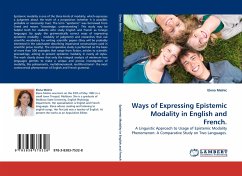
 Ways of Expressing Epistemic Modality in English and French.32,99 €
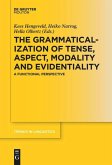
 The Grammaticalization of Tense, Aspect, Modality and Evidentiality26,99 €
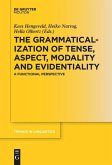
 The Grammaticalization of Tense, Aspect, Modality and Evidentiality102,99 €
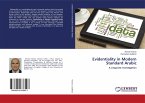
 Evidentiality in Modern Standard Arabic47,99 €
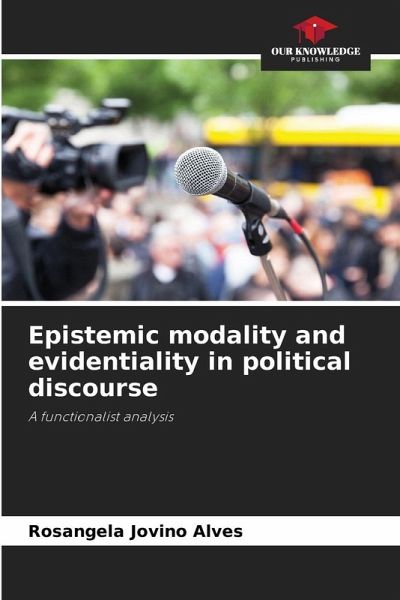
This paper analyzes epistemic modality, which is related to the speaker's knowledge and the qualification of that knowledge in the form of certainty, doubt, commitment, or disclaimer. It also investigates evidentiality, a category responsible for representing the sources that the speaker presents to guarantee the information provided in their discourse, and which allows the speaker to insert themselves as a source or indicate someone responsible for the information. As a corpus for analysis, speeches by Senator Marina Silva and Senator Heloisa Helena were selected due to their prominence in Brazilian politics and because their speeches are often controversial and have a strong impact on society. The analysis of the epistemic modality and evidentiality presents the uses and means of expression of these two discursive marks in the speeches of the senators. In this way, it is possible to identify how these two linguistic phenomena contribute to the constitution of the ethos of politicians, that is, how they contribute to the elaboration of the image that the speaker/subject of the discourse constructs so that their listener identifies with and projects themselves onto it.