- Broschiertes Buch
- Merkliste
- Auf die Merkliste
- Bewerten Bewerten
- Teilen
- Produkt teilen
- Produkterinnerung
- Produkterinnerung
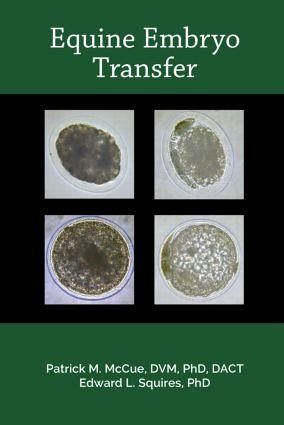
This book briefly reviews the history of equine embryo transfer, covering in clinically practical terms the techniques, equipment, and management protocols currently in use.
Andere Kunden interessierten sich auch für
Dean A. Hendrickson (University of College of Veterinary MedicineWound Care Management for the Equine Practitioner64,99 €
Lisa Ashton (Equicoach.Life)Welfare Horse Sports35,99 €
Emily Patterson-KaneAnimal Welfare Science110,99 €
Tracey Chenier (Ontario Vet. College)Concise Textbook of Equine Clinical Practice Book 284,99 €
Wendy A. Ware (Iowa State University, Ames, USA)Cardiovascular Disease in Companion Animals253,99 €
Use of Biologic and Regenerative Therapies in Equine Practice, an Issue of Veterinary Clinics of North America: Equine Practice96,99 €
Sarah FranklinEmbodied Progress45,99 €-
-
-
This book briefly reviews the history of equine embryo transfer, covering in clinically practical terms the techniques, equipment, and management protocols currently in use.
Produktdetails
- Produktdetails
- Verlag: Teton NewMedia
- Seitenzahl: 184
- Erscheinungstermin: 18. Februar 2015
- Englisch
- Abmessung: 228mm x 149mm x 12mm
- Gewicht: 304g
- ISBN-13: 9781591610472
- ISBN-10: 1591610478
- Artikelnr.: 40052046
- Herstellerkennzeichnung
- Libri GmbH
- Europaallee 1
- 36244 Bad Hersfeld
- gpsr@libri.de
- Verlag: Teton NewMedia
- Seitenzahl: 184
- Erscheinungstermin: 18. Februar 2015
- Englisch
- Abmessung: 228mm x 149mm x 12mm
- Gewicht: 304g
- ISBN-13: 9781591610472
- ISBN-10: 1591610478
- Artikelnr.: 40052046
- Herstellerkennzeichnung
- Libri GmbH
- Europaallee 1
- 36244 Bad Hersfeld
- gpsr@libri.de
Patrick M. McCue, Edward L. Squires
Contents 1. Introduction General Introduction (i.e. what is ET) Advantages
and uses of embryo transfer Changes in the ET Industry Breed regulations
(include a Table of most major breeds; ET, frozen embryos, etc.) Per cycle
ET Success = Embryo Collection Rate (50-60%) x Embryo Transfer Pregnancy
Rate (70-80%)Goals of the Manual 2. History of equine embryo transfer
Livestock Horses Domestic horses as surrogates for endangered equids(?) 3.
Reproductive Anatomy and Physiology of the MareAnatomy of the mare
Physiology of the estrous cycle Physiology of early embryonic development
and early pregnancy 4. Management of the donor mare Selection of the donor
Evaluation of the donor (BSE)Management and Day of breeding (fresh, cooled,
frozen semen) Palpation/ultrasound examinations relative to flush; daily vs
every 6-8 hrs for frozen semen; BID if goal is to collect a small embryo at
day 6.5 for cryopreservation Induction of ovulation (hCG and deslorelin)
Donor mare management (PMIE, fluid, etc.)Estrous cycle control (Lights,
P&E, PGF, hCG, Deslorelin, Regumate) Allow a mare to carry to term by
approximately 10 years of age Allowing mare to carry own every 3-4 years
Effect of repeated flushing on uterine health and embryo recovery # flushes
per year recommendedFertility of mares after flushing (i.e. same
season)Problem mares (i.e. PMIE, etc.) Maiden mares (young vs older)Post
partum mares (i.e. flushing on foal heat) 5.
SuperovulationHistoryTechniques EFSH Optimal follicle size at onset
Problems - same stallion vs. goal of different stallions Not every mare
responds to FSHPAF's and HAF's 6. Embryo Collection Equipment (Box Table)
Facilities (stocks vs stall, etc.) Procedure; (incl. clean out and wash up)
Ultrasound prior to flush in problem
and uses of embryo transfer Changes in the ET Industry Breed regulations
(include a Table of most major breeds; ET, frozen embryos, etc.) Per cycle
ET Success = Embryo Collection Rate (50-60%) x Embryo Transfer Pregnancy
Rate (70-80%)Goals of the Manual 2. History of equine embryo transfer
Livestock Horses Domestic horses as surrogates for endangered equids(?) 3.
Reproductive Anatomy and Physiology of the MareAnatomy of the mare
Physiology of the estrous cycle Physiology of early embryonic development
and early pregnancy 4. Management of the donor mare Selection of the donor
Evaluation of the donor (BSE)Management and Day of breeding (fresh, cooled,
frozen semen) Palpation/ultrasound examinations relative to flush; daily vs
every 6-8 hrs for frozen semen; BID if goal is to collect a small embryo at
day 6.5 for cryopreservation Induction of ovulation (hCG and deslorelin)
Donor mare management (PMIE, fluid, etc.)Estrous cycle control (Lights,
P&E, PGF, hCG, Deslorelin, Regumate) Allow a mare to carry to term by
approximately 10 years of age Allowing mare to carry own every 3-4 years
Effect of repeated flushing on uterine health and embryo recovery # flushes
per year recommendedFertility of mares after flushing (i.e. same
season)Problem mares (i.e. PMIE, etc.) Maiden mares (young vs older)Post
partum mares (i.e. flushing on foal heat) 5.
SuperovulationHistoryTechniques EFSH Optimal follicle size at onset
Problems - same stallion vs. goal of different stallions Not every mare
responds to FSHPAF's and HAF's 6. Embryo Collection Equipment (Box Table)
Facilities (stocks vs stall, etc.) Procedure; (incl. clean out and wash up)
Ultrasound prior to flush in problem
Contents 1. Introduction General Introduction (i.e. what is ET) Advantages
and uses of embryo transfer Changes in the ET Industry Breed regulations
(include a Table of most major breeds; ET, frozen embryos, etc.) Per cycle
ET Success = Embryo Collection Rate (50-60%) x Embryo Transfer Pregnancy
Rate (70-80%)Goals of the Manual 2. History of equine embryo transfer
Livestock Horses Domestic horses as surrogates for endangered equids(?) 3.
Reproductive Anatomy and Physiology of the MareAnatomy of the mare
Physiology of the estrous cycle Physiology of early embryonic development
and early pregnancy 4. Management of the donor mare Selection of the donor
Evaluation of the donor (BSE)Management and Day of breeding (fresh, cooled,
frozen semen) Palpation/ultrasound examinations relative to flush; daily vs
every 6-8 hrs for frozen semen; BID if goal is to collect a small embryo at
day 6.5 for cryopreservation Induction of ovulation (hCG and deslorelin)
Donor mare management (PMIE, fluid, etc.)Estrous cycle control (Lights,
P&E, PGF, hCG, Deslorelin, Regumate) Allow a mare to carry to term by
approximately 10 years of age Allowing mare to carry own every 3-4 years
Effect of repeated flushing on uterine health and embryo recovery # flushes
per year recommendedFertility of mares after flushing (i.e. same
season)Problem mares (i.e. PMIE, etc.) Maiden mares (young vs older)Post
partum mares (i.e. flushing on foal heat) 5.
SuperovulationHistoryTechniques EFSH Optimal follicle size at onset
Problems - same stallion vs. goal of different stallions Not every mare
responds to FSHPAF's and HAF's 6. Embryo Collection Equipment (Box Table)
Facilities (stocks vs stall, etc.) Procedure; (incl. clean out and wash up)
Ultrasound prior to flush in problem
and uses of embryo transfer Changes in the ET Industry Breed regulations
(include a Table of most major breeds; ET, frozen embryos, etc.) Per cycle
ET Success = Embryo Collection Rate (50-60%) x Embryo Transfer Pregnancy
Rate (70-80%)Goals of the Manual 2. History of equine embryo transfer
Livestock Horses Domestic horses as surrogates for endangered equids(?) 3.
Reproductive Anatomy and Physiology of the MareAnatomy of the mare
Physiology of the estrous cycle Physiology of early embryonic development
and early pregnancy 4. Management of the donor mare Selection of the donor
Evaluation of the donor (BSE)Management and Day of breeding (fresh, cooled,
frozen semen) Palpation/ultrasound examinations relative to flush; daily vs
every 6-8 hrs for frozen semen; BID if goal is to collect a small embryo at
day 6.5 for cryopreservation Induction of ovulation (hCG and deslorelin)
Donor mare management (PMIE, fluid, etc.)Estrous cycle control (Lights,
P&E, PGF, hCG, Deslorelin, Regumate) Allow a mare to carry to term by
approximately 10 years of age Allowing mare to carry own every 3-4 years
Effect of repeated flushing on uterine health and embryo recovery # flushes
per year recommendedFertility of mares after flushing (i.e. same
season)Problem mares (i.e. PMIE, etc.) Maiden mares (young vs older)Post
partum mares (i.e. flushing on foal heat) 5.
SuperovulationHistoryTechniques EFSH Optimal follicle size at onset
Problems - same stallion vs. goal of different stallions Not every mare
responds to FSHPAF's and HAF's 6. Embryo Collection Equipment (Box Table)
Facilities (stocks vs stall, etc.) Procedure; (incl. clean out and wash up)
Ultrasound prior to flush in problem