- Broschiertes Buch
- Merkliste
- Auf die Merkliste
- Bewerten Bewerten
- Teilen
- Produkt teilen
- Produkterinnerung
- Produkterinnerung
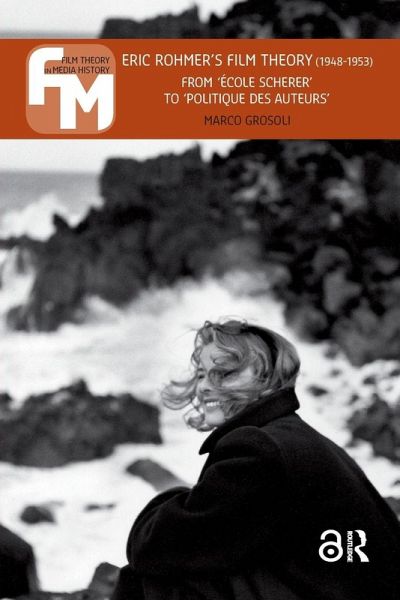
This book is a first step toward a serious reassessment of the mostly unspoken theoretical and aesthetic premises underlying auteur theory.
Andere Kunden interessierten sich auch für
Technology and Film Scholarship106,99 €
Leger GrindonShadows on the Past: Studies in the Historical Fiction Film30,99 €
Patricia PistersFilming for the Future63,99 €
Giovanna FossatiExposing the Film Apparatus66,99 €
Stories63,99 €
Raz YosefThe Politics of Loss and Trauma in Contemporary Israeli Cinema53,99 €
Reel Food50,99 €-
-
-
This book is a first step toward a serious reassessment of the mostly unspoken theoretical and aesthetic premises underlying auteur theory.
Produktdetails
- Produktdetails
- Verlag: Routledge
- Seitenzahl: 302
- Erscheinungstermin: 16. April 2018
- Englisch
- Abmessung: 234mm x 156mm x 16mm
- Gewicht: 462g
- ISBN-13: 9789462985803
- ISBN-10: 9462985804
- Artikelnr.: 47828163
- Herstellerkennzeichnung
- Libri GmbH
- Europaallee 1
- 36244 Bad Hersfeld
- gpsr@libri.de
- Verlag: Routledge
- Seitenzahl: 302
- Erscheinungstermin: 16. April 2018
- Englisch
- Abmessung: 234mm x 156mm x 16mm
- Gewicht: 462g
- ISBN-13: 9789462985803
- ISBN-10: 9462985804
- Artikelnr.: 47828163
- Herstellerkennzeichnung
- Libri GmbH
- Europaallee 1
- 36244 Bad Hersfeld
- gpsr@libri.de
Marco Grosoli is an Assistant Lecturer in Film Studies at the University of Kent. He authored the first Italian-language monograph on Béla Tarr, co-edited one book on motion capture technologies and one on Guy Debord's cinema.
Introduction 1. A Novelistic Art of Space 1.1. Sartre's ontology 1.2. A
novelistic ontology? 1.3. Cinema: novelistic consciousness qua actual
nothingness 1.4. An art of space 1.5. An art of appearance for appearance's
sake 1.6. Space vs. language 1.7. An art more novelistic than the novel
itself 2. Alexandre Astruc: An Early but Decisive Influence 2.1. Kant's
transcendental aesthetics - and Heidegger's reinterpretation 2.2.
'Dialectique et cinema' 2.3. With and beyond Sartre's Heideggerian
perspective 2.4. The 'Caméra-Stylo' 3. Under and On the Volcano: Rohmer's
Conversion 3.1. The Other 3.2. The triumph of exteriority over interiority
3.3. Pulling phenomenology back to its Kantian roots 3.4. Ethics 3.5. God?
3.6. Echoes of the conversion 4. The Art of Nature 4.1. To show and not to
tell 4.2. Natural beauty 4.3. Immediate mediation 4.4. Movement and
narrative 4.5. Mechanism as the background for freedom 5. Ethics at the
Heart of Aesthetics 5.1. On abjection: The Wages of Fear 5.2. Films with a
soul 5.3. Tragedy 5.4. Solitude morale 5.5. The vertiginous moment: the
reversal between inside and outside 6. After Modernity: Rohmer's Classicism
and Universalism 6.1. Beyond modern art 6.2. Classic = Modern 6.3. An
anti-evolutionist approach 6.4. Universalism 6.5. Authorship and mise en
scene 7. Conclusion.
novelistic ontology? 1.3. Cinema: novelistic consciousness qua actual
nothingness 1.4. An art of space 1.5. An art of appearance for appearance's
sake 1.6. Space vs. language 1.7. An art more novelistic than the novel
itself 2. Alexandre Astruc: An Early but Decisive Influence 2.1. Kant's
transcendental aesthetics - and Heidegger's reinterpretation 2.2.
'Dialectique et cinema' 2.3. With and beyond Sartre's Heideggerian
perspective 2.4. The 'Caméra-Stylo' 3. Under and On the Volcano: Rohmer's
Conversion 3.1. The Other 3.2. The triumph of exteriority over interiority
3.3. Pulling phenomenology back to its Kantian roots 3.4. Ethics 3.5. God?
3.6. Echoes of the conversion 4. The Art of Nature 4.1. To show and not to
tell 4.2. Natural beauty 4.3. Immediate mediation 4.4. Movement and
narrative 4.5. Mechanism as the background for freedom 5. Ethics at the
Heart of Aesthetics 5.1. On abjection: The Wages of Fear 5.2. Films with a
soul 5.3. Tragedy 5.4. Solitude morale 5.5. The vertiginous moment: the
reversal between inside and outside 6. After Modernity: Rohmer's Classicism
and Universalism 6.1. Beyond modern art 6.2. Classic = Modern 6.3. An
anti-evolutionist approach 6.4. Universalism 6.5. Authorship and mise en
scene 7. Conclusion.
Introduction 1. A Novelistic Art of Space 1.1. Sartre's ontology 1.2. A
novelistic ontology? 1.3. Cinema: novelistic consciousness qua actual
nothingness 1.4. An art of space 1.5. An art of appearance for appearance's
sake 1.6. Space vs. language 1.7. An art more novelistic than the novel
itself 2. Alexandre Astruc: An Early but Decisive Influence 2.1. Kant's
transcendental aesthetics - and Heidegger's reinterpretation 2.2.
'Dialectique et cinema' 2.3. With and beyond Sartre's Heideggerian
perspective 2.4. The 'Caméra-Stylo' 3. Under and On the Volcano: Rohmer's
Conversion 3.1. The Other 3.2. The triumph of exteriority over interiority
3.3. Pulling phenomenology back to its Kantian roots 3.4. Ethics 3.5. God?
3.6. Echoes of the conversion 4. The Art of Nature 4.1. To show and not to
tell 4.2. Natural beauty 4.3. Immediate mediation 4.4. Movement and
narrative 4.5. Mechanism as the background for freedom 5. Ethics at the
Heart of Aesthetics 5.1. On abjection: The Wages of Fear 5.2. Films with a
soul 5.3. Tragedy 5.4. Solitude morale 5.5. The vertiginous moment: the
reversal between inside and outside 6. After Modernity: Rohmer's Classicism
and Universalism 6.1. Beyond modern art 6.2. Classic = Modern 6.3. An
anti-evolutionist approach 6.4. Universalism 6.5. Authorship and mise en
scene 7. Conclusion.
novelistic ontology? 1.3. Cinema: novelistic consciousness qua actual
nothingness 1.4. An art of space 1.5. An art of appearance for appearance's
sake 1.6. Space vs. language 1.7. An art more novelistic than the novel
itself 2. Alexandre Astruc: An Early but Decisive Influence 2.1. Kant's
transcendental aesthetics - and Heidegger's reinterpretation 2.2.
'Dialectique et cinema' 2.3. With and beyond Sartre's Heideggerian
perspective 2.4. The 'Caméra-Stylo' 3. Under and On the Volcano: Rohmer's
Conversion 3.1. The Other 3.2. The triumph of exteriority over interiority
3.3. Pulling phenomenology back to its Kantian roots 3.4. Ethics 3.5. God?
3.6. Echoes of the conversion 4. The Art of Nature 4.1. To show and not to
tell 4.2. Natural beauty 4.3. Immediate mediation 4.4. Movement and
narrative 4.5. Mechanism as the background for freedom 5. Ethics at the
Heart of Aesthetics 5.1. On abjection: The Wages of Fear 5.2. Films with a
soul 5.3. Tragedy 5.4. Solitude morale 5.5. The vertiginous moment: the
reversal between inside and outside 6. After Modernity: Rohmer's Classicism
and Universalism 6.1. Beyond modern art 6.2. Classic = Modern 6.3. An
anti-evolutionist approach 6.4. Universalism 6.5. Authorship and mise en
scene 7. Conclusion.