

Andere Kunden interessierten sich auch für
") Essays Of Michel De Montaigne (Volume 6)16,99 €
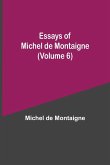
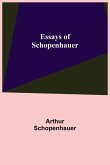
Essays Of Michel De Montaigne (Volume 6)16,99 € Essays Of Schopenhauer19,99 €
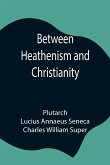
 Between Heathenism And Christianity; Being A Translation Of Seneca'S De Providentia, And Plutarch'S De Sera Numinis Vindicta, Together With Notes, Additional Extracts From These Writers And Two Essays On Graeco-Roman Life In The First Century After Christ18,99 €
 The Essays Of Arthur Schopenhauer; The Wisdom Of Life16,99 €
 Essays And Dialogues20,99 €
 Levels of Living; Essays on Everyday Ideals17,99 €
 The Beautiful Necessity; Seven Essays on Theosophy and Architecture15,99 €
A brisk, probing voice from eighteenth-century Britain speaks to our own era-clear-eyed, humane, and relentlessly curious. This is not a single doctrine but a generous essay collection that wanders through human nature, reason and passion, and the friction between scepticism and empiricism. David Hume's non fiction essays illuminate how minds work, why beliefs endure, and how social life binds us all. The book offers a compact tour of moral philosophy essays, a keen human nature analysis, and reflections that read like a modern study aid for scholars and students who crave thoughtful discussion prompts. Readers will find lively explorations that remain surprisingly contemporary, inviting casual readers and classic-literature lovers alike to a thoughtful conversation about how we know what we think we know. Historically, the work sits at the heart of the Scottish enlightenment era and the wider currents of eighteenth century britain, with influence rippling through later thinkers such as Montaigne's spirit of self-scrutiny and Adam Smith's social imagination. Its significance extends beyond philosophy to its cultural resonance as a touchstone for skeptical inquiry and ethical reflection. Out of print for decades and now republished by Alpha Editions, this edition is restored for today's and future generations. More than a reprint - a collector's item and a cultural treasure, ready to inspire classroom discussions, thoughtful rereads, and new conversations about the way we live, think, and reason.