
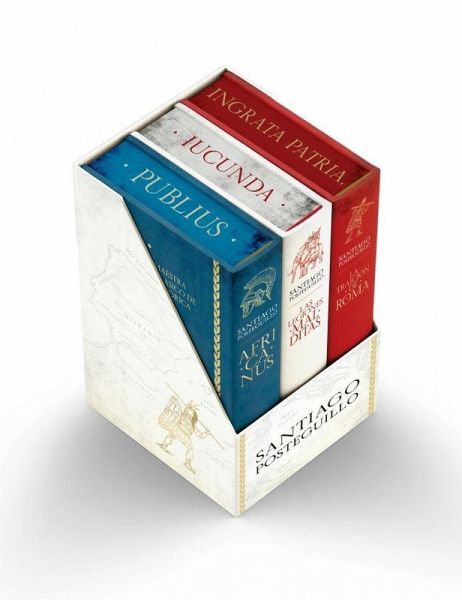
40,99 €
inkl. MwSt.
Versandkostenfrei*Erscheint vorauss. 21. April 2026
Melden Sie sich
hier
hier
für den Produktalarm an, um über die Verfügbarkeit des Produkts informiert zu werden.

20 °P sammeln
Andere Kunden interessierten sich auch für
 La Traición de Roma / The Treachery of Rome14,99 €
 Las legiones malditas18,99 €
 Las Legiones Malditas / The Cursed Legions18,99 €
 Estuche de Navidad trilogía de Trajano83,99 €
 La traición de Roma18,99 €
 La justicia divina; Ã3, El hijo del deshonor, novela original española37,99 €
 El Hijo De La Tempestad...28,99 €
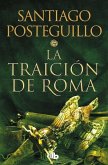


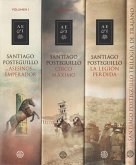


Con magistral precisión histórica y un excelente ritmo narrativo, Santiago Posteguillo presenta la historia de la infancia y juventud de Africanus, uno de los personajes más influyentes de Occidente en esta edición estuche de lujo con la trilogía completa. El hijo del cónsul A finales del siglo III a.C. Roma está a punto de ser aniquilada por los ejércitos cartagineses al mando de uno de los mejores estrategas militares de todos los tiempos: Aníbal. Su alianza con Filipo V de Macedonia, que pretendía la aniquilación de Roma como estado y el reparto del mundo conocido entre Cartago y Macedonia, constituía una fuerza imparable que podría haber cambiado para siempre la historia de Occidente. Pocos años antes del estallido del conflicto, nació un niño llamado a realizar grandes proezas: Publio Cornelio Escipión, hijo del cónsul de Roma durante el primer año de la guerra. Ya joven oficial, iniciaría un difícil camino, sorteando obstáculos y buscando alianzas imposibles. Sus hazañas le valieron el sobrenombre de Africanus, en alusión a uno de los territorios que conquistó. Las legiones malditas Publio Cornelio Escipión, que pasaría a la historia con el sobrenombre de Africanus, solo tenía veintiséis años cuando aceptó comandar las tropas romanas en Hispania. Heredero de las cualidades militares de su padre y su tío, el joven Escipión también había heredado algunos de sus feroces enemigos, como Asdrúbal, el hermano de Aníbal, o el gran púnico Giscón, quienes planeaban derrotar a su ejército en el campo de batalla. Sus opositores lo acechaban asimismo en el Senado de Roma, donde el todopoderoso Quinto Fabio Máximo, acérrimo enemigo de los Escipión, logró forzarlo, una vez concluida la campaña en Hispania, a aceptar la tarea de liderar las legiones V y VI. Eran estas unas legiones malditas, constituidas por los soldados supervivientes de Cannae, la más humillante derrota de Roma ante Aníbal. En el exilio en Sicilia, las legiones habían perdido el sentido del deber, la disciplina y toda esperanza de regresar a la patria. Con esta maniobra, Quinto Fabio Máximo creía abocar al último Escipión a una muerte segura. Lo que no podía prever era que el joven militar y sus legiones malditas estaban llamados a cambiar el curso de la historia. La traición de Roma En la última novela de la trilogía de Roma Santiago Posteguillo nos narra el épico final de la vida de dos de los personajes más legendarios de la historia: Escipión y Aníbal. Tras la batalla de Zama, los eternos enemigos vuelven a encontrarse en medio de la vorágine de la guerra de Asia. Pero La traición de Roma es también la historia del hijo de Escipión, que lucha por estar a la altura de un padre inalcanzable; la de la joven Cornelia, la hija menor, y sus ansias de libertad en un mundo de hombres; la de Marco Pocio Catón y su persecución política contra los Escipión, junto con su aliado Graco, heredero de la poderosa familia Sempronia; la de Areté, una prostituta griega demasiado bella para pasar inadvertida; la del rey Antíoco III de Siria, cegado por las ambiciones de sus generales; la de Cayo Lelio, dispuesto a permanecer junto a su gran amigo Escipión más allá de la razón, y muchos otros personajes igualmente fasci--tes. Posteguillo nos permite ser testigos privilegiados del ocaso de la vida tan intensa como desbordante de Publio Cornelio Escipión, en el marco incomparable de una Roma que emerge victoriosa por encima de la historia sin importarle arrasar en su imparable ascenso con todo y con todos, incluidos sus héroes. ENGLISH DESCRIPTION With masterful historical precision and an exceptional narrative rhythm, Santiago Posteguillo presents the story of the childhood and youth of Africanus--one of the most influential figures in Western history--in this deluxe box set edition of the complete trilogy. The Son of the Consul At the end of the 3rd century B.C., Rome stands on the brink of annihilation by the Carthaginian armies led by one of the greatest military strategists of all time--Hannibal. His alliance with Philip V of Macedonia, aimed at Rome's destruction and the division of the known world between Carthage and Macedonia, formed an unstoppable force that could have forever changed the course of Western history. A few years before the conflict erupted, a boy was born who was destined for greatness: Publius Cornelius Scipio, son of the Roman consul during the first year of the war. As a young officer, he embarked on a difficult journey, overcoming obstacles and forging impossible alliances. His feats earned him the name Africanus, in reference to one of the territories he conquered. The Accursed Legions Publius Cornelius Scipio, who would go down in history as Africanus, was only twenty-six when he accepted command of the Roman troops in Hispania. Heir to the military brilliance of his father and uncle, young Scipio also inherited their fierce enemies, such as Hannibal's brother, Hasdrubal, and the powerful Carthaginian Gisco, both plotting to defeat his army on the battlefield. His rivals also lurked in the Roman Senate, where the powerful Quintus Fabius Maximus--an implacable enemy of the Scipio family--forced him, after the campaign in Hispania, to command the Fifth and Sixth Legions. These were cursed legions, made up of the survivors of Cannae, Rome's most humiliating defeat at the hands of Hannibal. Exiled in Sicily, they had lost their discipline, their sense of duty, and any hope of returning home. Through this maneuver, Fabius Maximus believed he had condemned the last Scipio to certain death. What he could not foresee was that the young general and his accursed legions were destined to change the course of history. The Betrayal of Rome In the final novel of the Africanus trilogy, Santiago Posteguillo recounts the epic conclusion to the lives of two of history's most legendary figures: Scipio and Hannibal. After the Battle of Zama, the eternal enemies meet once more amid the chaos of the Asian wars. But The Betrayal of Rome is also the story of Scipio's son, who struggles to live up to an unattainable father; of young Cornelia, his daughter, yearning for freedom in a man's world; of Marcus Porcius Cato and his political crusade against the Scipios, alongside his ally Gracchus, heir to the powerful Sempronian family; of Arete, a Greek courtesan too beautiful to go unnoticed; of King Antiochus III of Syria, blinded by the ambitions of his generals; of Gaius Laelius, determined to stand by his friend Scipio beyond all reason--and of many other equally captivating characters. Posteguillo allows us to witness, as privileged spectators, the twilight of the extraordinary and turbulent life of Publius Cornelius Scipio--set against the incomparable backdrop of a Rome that rises triumphant, indifferent to the destruction it leaves behind in its unstoppable ascent, even if it means consuming its own heroes.