
Andere Kunden interessierten sich auch für
") Lilies Of Eternal Peace (1908)12,99 €
Lilies Of Eternal Peace (1908)12,99 € Beyond the Global Capitalist Crisis62,99 €
 Claus Offe and the Critical Theory of the Capitalist State44,99 €
 The Capitalist Mode of Power53,99 €
 The Anti-Capitalist Resistance Comic Book10,99 €
 Classical Marxism in an Age of Capitalist Crisis54,99 €
 Capitalist Networks and Social Power in Australia and New Zealand30,99 €

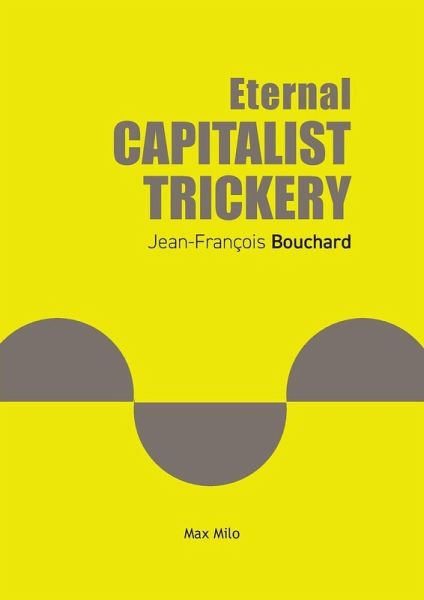
The concentration of power and wealth in the hands of a small predatory class, repeated crises, the inability of politicians to influence the course of events, worsening inequalities and the end of growth are the hallmarks of today's capitalism. Since the fall of communism, capitalism has had no competitors. Will it die one day? Not in the short term: the system is stronger than governments, its worst scoundrels enjoy widespread impunity, and while economists have little or no understanding of how it works, no clear alternative is emerging. Above all, no one seems to be seriously considering a fundamental reform of modern financial capitalism. So, do we have to live with it... or not? Curiously, a century earlier, this same situation had been analyzed by Nikolai Dimitrievich Kondratieff, a famous economist and a committed player in the Russian Revolution of 1917. Kondratieff was executed by Stalin in 1938 for having scientifically demonstrated the eternity of capitalism. Would he have the same opinion about capitalism today?