
Andere Kunden interessierten sich auch für
 Ethanol-Fermentation64,90 €
 Gut microbiota & nutrition40,99 €
 Fermentation de l'éthanol42,99 €
 Fermentação etanólica42,99 €
 Fermentazione di etanolo42,99 €
 Fermentaciq ätanola42,99 €
 Microbial Consortium for Ethanol Production from Sugarcane Bagasse45,99 €
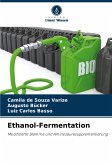

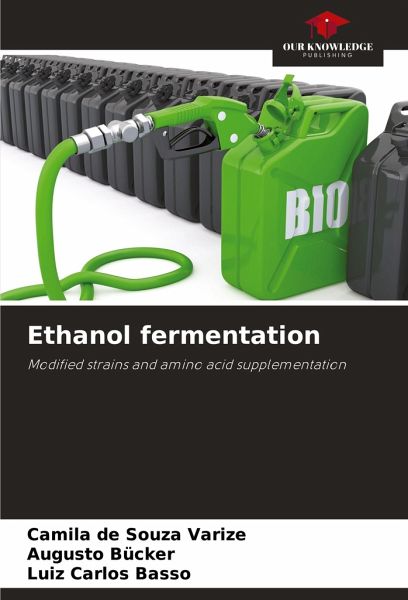
In recent years, the importance attached to biofuels has increased dramatically around the world, due to the advance of global warming and the rise in oil prices. The production of conventional biofuels, however, faces obstacles in reaching the desired levels, which is a strong incentive to adopt new technologies. The Brazilian sugar-alcohol sector has aroused the interest of several countries due to the high yield and low cost of sugar and alcohol production, with sugar cane being the raw material used in this sector. Ethanol is an estimated source of clean, renewable energy and is the most widely used biofuel in the world, both in pure form and as an additive to gasoline. During the industrial production of ethanol, one of the limiting factors in the process is the stress caused to yeasts, mainly by the high concentrations of sugar and ethanol present in the must. In this study, using different approaches, we sought to increase the tolerance of the industrial yeast CAT-1 to withstand the stress factors encountered in the Brazilian industrial process.