
Andere Kunden interessierten sich auch für
 An Interesting Account of the Voyages and Travels of Captains Lewis and Clarke, in the Years 1804-5, & 6.: Giving a Faithful Description of the River22,99 €
 Shipwreck of the Stirling Castle: Containing a Faithful Narrative of the Dreadful Sufferings of the Crew and the Cruel Murder of Captain Fraser by the23,99 €
 Journal Of George Fox; Being An Historical Account Of The Life, Travels, Sufferings, Christian Experiences, And Labour Of Love, In The Work Of The Ministry, Of That Eminent And Faithful Servant Of Jesus Christ, Who Departed This Life, In Great Peace With26,99 €
 Aunt Dice: The Story of a Faithful Slave17,99 €
 Memorable Providences, Relating to Witchcrafts and Possesions15,99 €
 The Journeys Of Réné Robert Cavelier, Sieur De La Salle: As Related By His Faithful Lieutenant, Henri De Tonty23,99 €
![The Journeys of Réné Robert Cavelier Sieur de La Salle: As Related by his Faithful Lieutenant, Henri de Tonty [and Others]; Volume 2]( "The Journeys of Réné Robert Cavelier Sieur de La Salle: As Related by his Faithful Lieutenant, Henri de Tonty [and Others]; Volume 2") The Journeys of Réné Robert Cavelier Sieur de La Salle: As Related by his Faithful Lieutenant, Henri de Tonty [and Others]; Volume 222,99 €
The Journeys of Réné Robert Cavelier Sieur de La Salle: As Related by his Faithful Lieutenant, Henri de Tonty [and Others]; Volume 222,99 €


![The Journeys of Réné Robert Cavelier Sieur de La Salle: As Related by his Faithful Lieutenant, Henri de Tonty [and Others]; Volume 2](https://bilder.buecher.de/produkte/66/66722/66722228m.jpg "The Journeys of Réné Robert Cavelier Sieur de La Salle: As Related by his Faithful Lieutenant, Henri de Tonty [and Others]; Volume 2")
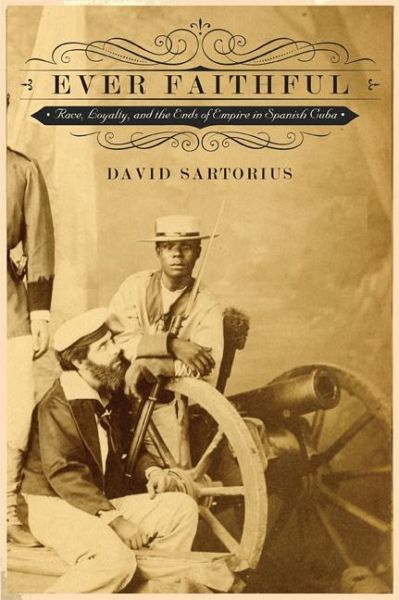
Known for much of the nineteenth century as "the ever-faithful isle," Cuba did not earn its independence from Spain until 1898, long after most American colonies had achieved emancipation from European rule. In this groundbreaking history, David Sartorius explores the relationship between political allegiance and race in nineteenth-century Cuba. Challenging assumptions that loyalty to the Spanish empire was the exclusive province of the white Cuban elite, he examines the free and enslaved people of African descent who actively supported colonialism. By claiming loyalty, many black and mulatto Cubans attained some degree of social mobility, legal freedom, and political inclusion in a world where hierarchy and inequality were the fundamental lineaments of colonial subjectivity. Sartorius explores Cuba's battlefields, plantations, and meeting halls to consider the goals and limits of loyalty. In the process, he makes a bold call for fresh perspectives on imperial ideologies of race and on the rich political history of the African diaspora.