
- Broschiertes Buch
- Merkliste
- Auf die Merkliste
- Bewerten Bewerten
- Teilen
- Produkt teilen
- Produkterinnerung
- Produkterinnerung
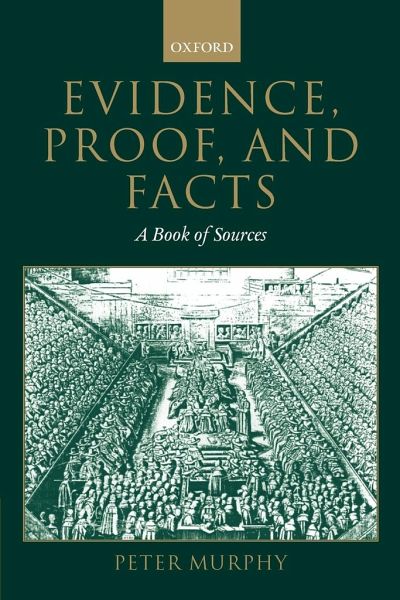
This book is a collection of materials concerned not only with the law of evidence, but also with the logical and rhetorical aspects of proof; the epistemology of evidence as a basis for the proof of disputed facts; and scientific aspects of the subject. The editor also raises issues such as the philosophical basis for the use of evidence.
Andere Kunden interessierten sich auch für
 Duncan FairgrieveState Liability in Tort209,99 €
 F. H. LawsonLaw of Property76,99 €
 Tshepo Bogosi MosakaProof, Evidence and Hate Crime137,99 €
 Evidence, Crime, and Forensics in the Early Modern Mediterranean38,99 €
 Doron MenasheThe Epistemology of Evidence Law40,99 €
 Sinisa FranjicBrief Facts about Energy from the Perspective of a Law Scientist29,99 €
 Evidence, Crime, and Forensics in the Early Modern Mediterranean137,99 €
-
-
-

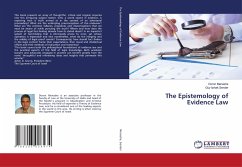

This book is a collection of materials concerned not only with the law of evidence, but also with the logical and rhetorical aspects of proof; the epistemology of evidence as a basis for the proof of disputed facts; and scientific aspects of the subject. The editor also raises issues such as the philosophical basis for the use of evidence.
Produktdetails
- Produktdetails
- Verlag: OUP Oxford
- Seitenzahl: 620
- Erscheinungstermin: 13. März 2003
- Englisch
- Abmessung: 234mm x 156mm x 33mm
- Gewicht: 927g
- ISBN-13: 9780199261956
- ISBN-10: 0199261954
- Artikelnr.: 21640666
- Herstellerkennzeichnung
- Libri GmbH
- Europaallee 1
- 36244 Bad Hersfeld
- gpsr@libri.de
- Verlag: OUP Oxford
- Seitenzahl: 620
- Erscheinungstermin: 13. März 2003
- Englisch
- Abmessung: 234mm x 156mm x 33mm
- Gewicht: 927g
- ISBN-13: 9780199261956
- ISBN-10: 0199261954
- Artikelnr.: 21640666
- Herstellerkennzeichnung
- Libri GmbH
- Europaallee 1
- 36244 Bad Hersfeld
- gpsr@libri.de
Peter Murphy is Professor of Law at South Texas College of Law and currently Defence Counsel for the International Criminal Tribunal for the Former Yugoslavia. He is Editor-in-Chief of Blackstone's Criminal Practice and author of Murphy on Evidence (Blackstone, 2000).
* Preface
* Table of Works Represented, with Abbreviations Used
* Evidence, Proof, and Facts: Introductory Essay
* 1: The Concept of Evidence and the Law of Evidence
* SECTION 1: WHAT IS EVIDENCE?
* Bentham, Rationale
* Schum, Foundations
* SECTION 2: DEVELOPMENT OF THE LAW OF EVIDENCE
* Thayer, Preliminary Treatise
* Holdsworth, History
* Twining, Rethinking Evidence
* SECTION 3: ARE EXCLUSIONARY RULES OF EVIDENCE NEEDED?
* Bentham, Rationale
* Stephen, Report
* SECTION 4: THE PHILOSOPHY UNDERLYING THE LAW OF EVIDENCE: OPTIMISTIC
RATIONALISM
* Twining, Theories
* 2: Logic and Rhetoric
* SECTION 1: LOGIC, DEDUCTIVE REASONING, AND THE SYLLOGISM
* Aristotle, Topics
* Aristotle, Prior Analytics
* Mill, System
* SECTION 2: REJECTION OF THE SYLLOGISM AS A SCIENTIFIC METHOD
* Bacon, Novum Organum
* Hume, Enquiry
* Schum, Foundations
* SECTION 3: LOGIC, INDUCTIVE REASONING, AND INFERENCES FROM EVIDENCE
* Schmidt, The Influence of the Legal Paradigm on the Development of
Logic
* Mill, System
* SECTION 4: LOGICAL FALLACIES
* Mill, System
* SECTION 5: DIALECTIC AND RHETORIC
* Aristotle, The Art of Rhetoric
* Plato, Gorgias
* Plato, Phaedrus
* 3: Judicial Reasoning About Facts
* SECTION 1: RELEVANCE
* Stephen, Digest
* US Federal Rule of Evidence 401
* Bentham, Rationale
* Schum, Foundations
* Keynes, Treatise
* SECTION 2: DIRECT AND CIRCUMSTANTIAL EVIDENCE
* Bentham, Rationale
* SECTION 3: THE PROCESS OF JUDICIAL REASONING
* Thayer, Preliminary Treatise
* Wigmore, Science
* SECTION 4: PROBATIVE VALUE AND WEIGHT
* Bentham, Rationale
* Keynes, Treatise
* SECTION 5: GENERALIZATIONS
* Hume, Enquiry
* Bentham, Rationale
* Mill, System
* 4: Causation
* SECTION 1: PHILOSOPHICAL BASIS FOR THEORY OF CAUSE AND EFFECT
* Aristotle, Physics
* Locke, Essay
* Hume, Treatise
* Hume, Enquiry
* Mill, System
* SECTION 2: CAUSE AND EFFECT AS BASIS FOR INFERENCE FROM EVIDENCE
* Hart and HonorÃ(c), Causation
* Schum, Foundations
* SECTION 3: LEGAL APPLICATIONS OF CAUSATION
* Hart and HonorÃ(c), Causation
* 5: The Standard of Proof
* SECTION 1: RELATIONSHIP OF INDUCTIVE REASONING TO STANDARDS OF PROOF
* Cohen, The Probable and the Provable
* SECTION 2: PROOF BY A PREPONDERANCE OF THE EVIDENCE
* Rhesa Shipping Co SA v. Edmunds (The Popi M)
* T.N.T. Management Pty. Ltd. v. Brooks
* Cohen, The Probable and the Provable
* SECTION 3: PROOF BEYOND REASONABLE DOUBT
* Shapiro, Beyond Reasonable Doubt
* Cohen, The Probable and the Provable
* SECTION 4: DECISION THEORY IN RELATION TO STANDARDS OF PROOF
* Kaplan, Decision Theory and the Factfinding Process
* Tribe, Trial by Mathematics: Precision and Ritual in the Legal
Process
* 6: Theories of Probability
* SECTION 1: PROBABILITY THEORIES GENERALLY
* Locke, Essay
* Hume, Treatise
* Bentham, Rationale
* Keynes, Treatise
* SECTION 2: PROBABILITY APPLIED TO HUMAN CONDUCT AND CREDIBILITY
* Keynes, Treatise
* Eggleston, Evidence, Proof, and Probability
* SECTION 3: THE PRINCIPLE OF INDIFFERENCE
* Cohen, Introduction
* 7: Probability: Issues of Mathematics
* SECTION 1: MATHEMATICAL PROBABILITY CALCULUS
* Mill, System
* Schum, Foundations
* Cohen, Introduction
* SECTION 2: REVISION OF PROBABILITY ESTIMATES IN LIGHT OF NEW
EVIDENCE: BAYES' RULE
* Schum, Foundations
* Bayes, Essay
* SECTION 3: MATHEMATICS IN THE COURTROOM
* People v. Collins
* R v. Adams (No. 2)
* 8: Probability: Mathematical and Non-Mathematical Models
* SECTION 1: MON-MATHEMATICAL PROBABILITY MODELS
* Mill, System
* Keynes, Treatise
* Cohen, Introduction
* Cohen, The Probable and the Provable
* SECTION 2: PASCAL OR BACON? THE GREAT DEBATE
* Tribe, Trial by Mathematics: Precision and Ritual in the Legal
Process
* Kaye, The Laws of Probability and the Laws of the Land
* 9: Alternative Epistemologies of Evidence
* SECTION 1: CHANCE AND ACAUSAL CONNECTIONS
* Aristotle, Physics
* Mill, System
* SECTION 2: THE OLDER MODES OF PROOF
* Holdsworth, History
* Hammurabi, Code
* Manu, Laws
* Supakar, The Law of Evidence in Ancient India
* SECTION 3: A WOMAN'S PERSPECTIVE
* Harmon, Etchings on Glass
* APPENDIX 1: INFERENCE NETWORKS AND THE CHARTING OF EVIDENCE
* Wigmore, The Problem of Proof
* APPENDIX 2: SOME COMMONLY USED HYPOTHETICALS
* Index
* Table of Works Represented, with Abbreviations Used
* Evidence, Proof, and Facts: Introductory Essay
* 1: The Concept of Evidence and the Law of Evidence
* SECTION 1: WHAT IS EVIDENCE?
* Bentham, Rationale
* Schum, Foundations
* SECTION 2: DEVELOPMENT OF THE LAW OF EVIDENCE
* Thayer, Preliminary Treatise
* Holdsworth, History
* Twining, Rethinking Evidence
* SECTION 3: ARE EXCLUSIONARY RULES OF EVIDENCE NEEDED?
* Bentham, Rationale
* Stephen, Report
* SECTION 4: THE PHILOSOPHY UNDERLYING THE LAW OF EVIDENCE: OPTIMISTIC
RATIONALISM
* Twining, Theories
* 2: Logic and Rhetoric
* SECTION 1: LOGIC, DEDUCTIVE REASONING, AND THE SYLLOGISM
* Aristotle, Topics
* Aristotle, Prior Analytics
* Mill, System
* SECTION 2: REJECTION OF THE SYLLOGISM AS A SCIENTIFIC METHOD
* Bacon, Novum Organum
* Hume, Enquiry
* Schum, Foundations
* SECTION 3: LOGIC, INDUCTIVE REASONING, AND INFERENCES FROM EVIDENCE
* Schmidt, The Influence of the Legal Paradigm on the Development of
Logic
* Mill, System
* SECTION 4: LOGICAL FALLACIES
* Mill, System
* SECTION 5: DIALECTIC AND RHETORIC
* Aristotle, The Art of Rhetoric
* Plato, Gorgias
* Plato, Phaedrus
* 3: Judicial Reasoning About Facts
* SECTION 1: RELEVANCE
* Stephen, Digest
* US Federal Rule of Evidence 401
* Bentham, Rationale
* Schum, Foundations
* Keynes, Treatise
* SECTION 2: DIRECT AND CIRCUMSTANTIAL EVIDENCE
* Bentham, Rationale
* SECTION 3: THE PROCESS OF JUDICIAL REASONING
* Thayer, Preliminary Treatise
* Wigmore, Science
* SECTION 4: PROBATIVE VALUE AND WEIGHT
* Bentham, Rationale
* Keynes, Treatise
* SECTION 5: GENERALIZATIONS
* Hume, Enquiry
* Bentham, Rationale
* Mill, System
* 4: Causation
* SECTION 1: PHILOSOPHICAL BASIS FOR THEORY OF CAUSE AND EFFECT
* Aristotle, Physics
* Locke, Essay
* Hume, Treatise
* Hume, Enquiry
* Mill, System
* SECTION 2: CAUSE AND EFFECT AS BASIS FOR INFERENCE FROM EVIDENCE
* Hart and HonorÃ(c), Causation
* Schum, Foundations
* SECTION 3: LEGAL APPLICATIONS OF CAUSATION
* Hart and HonorÃ(c), Causation
* 5: The Standard of Proof
* SECTION 1: RELATIONSHIP OF INDUCTIVE REASONING TO STANDARDS OF PROOF
* Cohen, The Probable and the Provable
* SECTION 2: PROOF BY A PREPONDERANCE OF THE EVIDENCE
* Rhesa Shipping Co SA v. Edmunds (The Popi M)
* T.N.T. Management Pty. Ltd. v. Brooks
* Cohen, The Probable and the Provable
* SECTION 3: PROOF BEYOND REASONABLE DOUBT
* Shapiro, Beyond Reasonable Doubt
* Cohen, The Probable and the Provable
* SECTION 4: DECISION THEORY IN RELATION TO STANDARDS OF PROOF
* Kaplan, Decision Theory and the Factfinding Process
* Tribe, Trial by Mathematics: Precision and Ritual in the Legal
Process
* 6: Theories of Probability
* SECTION 1: PROBABILITY THEORIES GENERALLY
* Locke, Essay
* Hume, Treatise
* Bentham, Rationale
* Keynes, Treatise
* SECTION 2: PROBABILITY APPLIED TO HUMAN CONDUCT AND CREDIBILITY
* Keynes, Treatise
* Eggleston, Evidence, Proof, and Probability
* SECTION 3: THE PRINCIPLE OF INDIFFERENCE
* Cohen, Introduction
* 7: Probability: Issues of Mathematics
* SECTION 1: MATHEMATICAL PROBABILITY CALCULUS
* Mill, System
* Schum, Foundations
* Cohen, Introduction
* SECTION 2: REVISION OF PROBABILITY ESTIMATES IN LIGHT OF NEW
EVIDENCE: BAYES' RULE
* Schum, Foundations
* Bayes, Essay
* SECTION 3: MATHEMATICS IN THE COURTROOM
* People v. Collins
* R v. Adams (No. 2)
* 8: Probability: Mathematical and Non-Mathematical Models
* SECTION 1: MON-MATHEMATICAL PROBABILITY MODELS
* Mill, System
* Keynes, Treatise
* Cohen, Introduction
* Cohen, The Probable and the Provable
* SECTION 2: PASCAL OR BACON? THE GREAT DEBATE
* Tribe, Trial by Mathematics: Precision and Ritual in the Legal
Process
* Kaye, The Laws of Probability and the Laws of the Land
* 9: Alternative Epistemologies of Evidence
* SECTION 1: CHANCE AND ACAUSAL CONNECTIONS
* Aristotle, Physics
* Mill, System
* SECTION 2: THE OLDER MODES OF PROOF
* Holdsworth, History
* Hammurabi, Code
* Manu, Laws
* Supakar, The Law of Evidence in Ancient India
* SECTION 3: A WOMAN'S PERSPECTIVE
* Harmon, Etchings on Glass
* APPENDIX 1: INFERENCE NETWORKS AND THE CHARTING OF EVIDENCE
* Wigmore, The Problem of Proof
* APPENDIX 2: SOME COMMONLY USED HYPOTHETICALS
* Index
* Preface
* Table of Works Represented, with Abbreviations Used
* Evidence, Proof, and Facts: Introductory Essay
* 1: The Concept of Evidence and the Law of Evidence
* SECTION 1: WHAT IS EVIDENCE?
* Bentham, Rationale
* Schum, Foundations
* SECTION 2: DEVELOPMENT OF THE LAW OF EVIDENCE
* Thayer, Preliminary Treatise
* Holdsworth, History
* Twining, Rethinking Evidence
* SECTION 3: ARE EXCLUSIONARY RULES OF EVIDENCE NEEDED?
* Bentham, Rationale
* Stephen, Report
* SECTION 4: THE PHILOSOPHY UNDERLYING THE LAW OF EVIDENCE: OPTIMISTIC
RATIONALISM
* Twining, Theories
* 2: Logic and Rhetoric
* SECTION 1: LOGIC, DEDUCTIVE REASONING, AND THE SYLLOGISM
* Aristotle, Topics
* Aristotle, Prior Analytics
* Mill, System
* SECTION 2: REJECTION OF THE SYLLOGISM AS A SCIENTIFIC METHOD
* Bacon, Novum Organum
* Hume, Enquiry
* Schum, Foundations
* SECTION 3: LOGIC, INDUCTIVE REASONING, AND INFERENCES FROM EVIDENCE
* Schmidt, The Influence of the Legal Paradigm on the Development of
Logic
* Mill, System
* SECTION 4: LOGICAL FALLACIES
* Mill, System
* SECTION 5: DIALECTIC AND RHETORIC
* Aristotle, The Art of Rhetoric
* Plato, Gorgias
* Plato, Phaedrus
* 3: Judicial Reasoning About Facts
* SECTION 1: RELEVANCE
* Stephen, Digest
* US Federal Rule of Evidence 401
* Bentham, Rationale
* Schum, Foundations
* Keynes, Treatise
* SECTION 2: DIRECT AND CIRCUMSTANTIAL EVIDENCE
* Bentham, Rationale
* SECTION 3: THE PROCESS OF JUDICIAL REASONING
* Thayer, Preliminary Treatise
* Wigmore, Science
* SECTION 4: PROBATIVE VALUE AND WEIGHT
* Bentham, Rationale
* Keynes, Treatise
* SECTION 5: GENERALIZATIONS
* Hume, Enquiry
* Bentham, Rationale
* Mill, System
* 4: Causation
* SECTION 1: PHILOSOPHICAL BASIS FOR THEORY OF CAUSE AND EFFECT
* Aristotle, Physics
* Locke, Essay
* Hume, Treatise
* Hume, Enquiry
* Mill, System
* SECTION 2: CAUSE AND EFFECT AS BASIS FOR INFERENCE FROM EVIDENCE
* Hart and HonorÃ(c), Causation
* Schum, Foundations
* SECTION 3: LEGAL APPLICATIONS OF CAUSATION
* Hart and HonorÃ(c), Causation
* 5: The Standard of Proof
* SECTION 1: RELATIONSHIP OF INDUCTIVE REASONING TO STANDARDS OF PROOF
* Cohen, The Probable and the Provable
* SECTION 2: PROOF BY A PREPONDERANCE OF THE EVIDENCE
* Rhesa Shipping Co SA v. Edmunds (The Popi M)
* T.N.T. Management Pty. Ltd. v. Brooks
* Cohen, The Probable and the Provable
* SECTION 3: PROOF BEYOND REASONABLE DOUBT
* Shapiro, Beyond Reasonable Doubt
* Cohen, The Probable and the Provable
* SECTION 4: DECISION THEORY IN RELATION TO STANDARDS OF PROOF
* Kaplan, Decision Theory and the Factfinding Process
* Tribe, Trial by Mathematics: Precision and Ritual in the Legal
Process
* 6: Theories of Probability
* SECTION 1: PROBABILITY THEORIES GENERALLY
* Locke, Essay
* Hume, Treatise
* Bentham, Rationale
* Keynes, Treatise
* SECTION 2: PROBABILITY APPLIED TO HUMAN CONDUCT AND CREDIBILITY
* Keynes, Treatise
* Eggleston, Evidence, Proof, and Probability
* SECTION 3: THE PRINCIPLE OF INDIFFERENCE
* Cohen, Introduction
* 7: Probability: Issues of Mathematics
* SECTION 1: MATHEMATICAL PROBABILITY CALCULUS
* Mill, System
* Schum, Foundations
* Cohen, Introduction
* SECTION 2: REVISION OF PROBABILITY ESTIMATES IN LIGHT OF NEW
EVIDENCE: BAYES' RULE
* Schum, Foundations
* Bayes, Essay
* SECTION 3: MATHEMATICS IN THE COURTROOM
* People v. Collins
* R v. Adams (No. 2)
* 8: Probability: Mathematical and Non-Mathematical Models
* SECTION 1: MON-MATHEMATICAL PROBABILITY MODELS
* Mill, System
* Keynes, Treatise
* Cohen, Introduction
* Cohen, The Probable and the Provable
* SECTION 2: PASCAL OR BACON? THE GREAT DEBATE
* Tribe, Trial by Mathematics: Precision and Ritual in the Legal
Process
* Kaye, The Laws of Probability and the Laws of the Land
* 9: Alternative Epistemologies of Evidence
* SECTION 1: CHANCE AND ACAUSAL CONNECTIONS
* Aristotle, Physics
* Mill, System
* SECTION 2: THE OLDER MODES OF PROOF
* Holdsworth, History
* Hammurabi, Code
* Manu, Laws
* Supakar, The Law of Evidence in Ancient India
* SECTION 3: A WOMAN'S PERSPECTIVE
* Harmon, Etchings on Glass
* APPENDIX 1: INFERENCE NETWORKS AND THE CHARTING OF EVIDENCE
* Wigmore, The Problem of Proof
* APPENDIX 2: SOME COMMONLY USED HYPOTHETICALS
* Index
* Table of Works Represented, with Abbreviations Used
* Evidence, Proof, and Facts: Introductory Essay
* 1: The Concept of Evidence and the Law of Evidence
* SECTION 1: WHAT IS EVIDENCE?
* Bentham, Rationale
* Schum, Foundations
* SECTION 2: DEVELOPMENT OF THE LAW OF EVIDENCE
* Thayer, Preliminary Treatise
* Holdsworth, History
* Twining, Rethinking Evidence
* SECTION 3: ARE EXCLUSIONARY RULES OF EVIDENCE NEEDED?
* Bentham, Rationale
* Stephen, Report
* SECTION 4: THE PHILOSOPHY UNDERLYING THE LAW OF EVIDENCE: OPTIMISTIC
RATIONALISM
* Twining, Theories
* 2: Logic and Rhetoric
* SECTION 1: LOGIC, DEDUCTIVE REASONING, AND THE SYLLOGISM
* Aristotle, Topics
* Aristotle, Prior Analytics
* Mill, System
* SECTION 2: REJECTION OF THE SYLLOGISM AS A SCIENTIFIC METHOD
* Bacon, Novum Organum
* Hume, Enquiry
* Schum, Foundations
* SECTION 3: LOGIC, INDUCTIVE REASONING, AND INFERENCES FROM EVIDENCE
* Schmidt, The Influence of the Legal Paradigm on the Development of
Logic
* Mill, System
* SECTION 4: LOGICAL FALLACIES
* Mill, System
* SECTION 5: DIALECTIC AND RHETORIC
* Aristotle, The Art of Rhetoric
* Plato, Gorgias
* Plato, Phaedrus
* 3: Judicial Reasoning About Facts
* SECTION 1: RELEVANCE
* Stephen, Digest
* US Federal Rule of Evidence 401
* Bentham, Rationale
* Schum, Foundations
* Keynes, Treatise
* SECTION 2: DIRECT AND CIRCUMSTANTIAL EVIDENCE
* Bentham, Rationale
* SECTION 3: THE PROCESS OF JUDICIAL REASONING
* Thayer, Preliminary Treatise
* Wigmore, Science
* SECTION 4: PROBATIVE VALUE AND WEIGHT
* Bentham, Rationale
* Keynes, Treatise
* SECTION 5: GENERALIZATIONS
* Hume, Enquiry
* Bentham, Rationale
* Mill, System
* 4: Causation
* SECTION 1: PHILOSOPHICAL BASIS FOR THEORY OF CAUSE AND EFFECT
* Aristotle, Physics
* Locke, Essay
* Hume, Treatise
* Hume, Enquiry
* Mill, System
* SECTION 2: CAUSE AND EFFECT AS BASIS FOR INFERENCE FROM EVIDENCE
* Hart and HonorÃ(c), Causation
* Schum, Foundations
* SECTION 3: LEGAL APPLICATIONS OF CAUSATION
* Hart and HonorÃ(c), Causation
* 5: The Standard of Proof
* SECTION 1: RELATIONSHIP OF INDUCTIVE REASONING TO STANDARDS OF PROOF
* Cohen, The Probable and the Provable
* SECTION 2: PROOF BY A PREPONDERANCE OF THE EVIDENCE
* Rhesa Shipping Co SA v. Edmunds (The Popi M)
* T.N.T. Management Pty. Ltd. v. Brooks
* Cohen, The Probable and the Provable
* SECTION 3: PROOF BEYOND REASONABLE DOUBT
* Shapiro, Beyond Reasonable Doubt
* Cohen, The Probable and the Provable
* SECTION 4: DECISION THEORY IN RELATION TO STANDARDS OF PROOF
* Kaplan, Decision Theory and the Factfinding Process
* Tribe, Trial by Mathematics: Precision and Ritual in the Legal
Process
* 6: Theories of Probability
* SECTION 1: PROBABILITY THEORIES GENERALLY
* Locke, Essay
* Hume, Treatise
* Bentham, Rationale
* Keynes, Treatise
* SECTION 2: PROBABILITY APPLIED TO HUMAN CONDUCT AND CREDIBILITY
* Keynes, Treatise
* Eggleston, Evidence, Proof, and Probability
* SECTION 3: THE PRINCIPLE OF INDIFFERENCE
* Cohen, Introduction
* 7: Probability: Issues of Mathematics
* SECTION 1: MATHEMATICAL PROBABILITY CALCULUS
* Mill, System
* Schum, Foundations
* Cohen, Introduction
* SECTION 2: REVISION OF PROBABILITY ESTIMATES IN LIGHT OF NEW
EVIDENCE: BAYES' RULE
* Schum, Foundations
* Bayes, Essay
* SECTION 3: MATHEMATICS IN THE COURTROOM
* People v. Collins
* R v. Adams (No. 2)
* 8: Probability: Mathematical and Non-Mathematical Models
* SECTION 1: MON-MATHEMATICAL PROBABILITY MODELS
* Mill, System
* Keynes, Treatise
* Cohen, Introduction
* Cohen, The Probable and the Provable
* SECTION 2: PASCAL OR BACON? THE GREAT DEBATE
* Tribe, Trial by Mathematics: Precision and Ritual in the Legal
Process
* Kaye, The Laws of Probability and the Laws of the Land
* 9: Alternative Epistemologies of Evidence
* SECTION 1: CHANCE AND ACAUSAL CONNECTIONS
* Aristotle, Physics
* Mill, System
* SECTION 2: THE OLDER MODES OF PROOF
* Holdsworth, History
* Hammurabi, Code
* Manu, Laws
* Supakar, The Law of Evidence in Ancient India
* SECTION 3: A WOMAN'S PERSPECTIVE
* Harmon, Etchings on Glass
* APPENDIX 1: INFERENCE NETWORKS AND THE CHARTING OF EVIDENCE
* Wigmore, The Problem of Proof
* APPENDIX 2: SOME COMMONLY USED HYPOTHETICALS
* Index