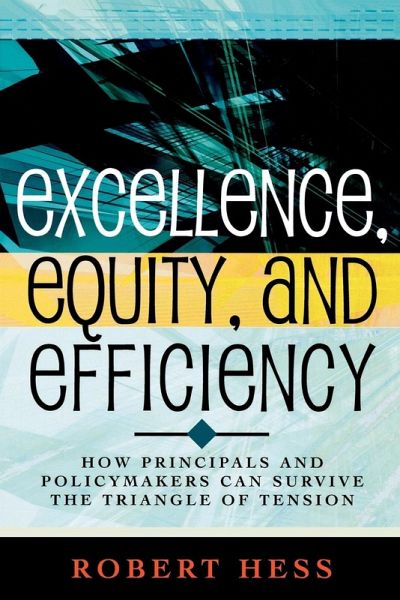
Public education in America has undergone a vast series of changes during the last four decades. The majority of these changes are driven by policy-the most recent, No Child Left Behind-but regardless of laws passed, principals and school leaders across the country are scrambling to discover ways to unleash the next breakthrough in public education-success for all. In many parts of the country, that success must come on dwindling resources. Over the years much has been written about excellence, equity, and efficiency. The ongoing struggle for administrators and educational leaders is to…mehr
Public education in America has undergone a vast series of changes during the last four decades. The majority of these changes are driven by policy-the most recent, No Child Left Behind-but regardless of laws passed, principals and school leaders across the country are scrambling to discover ways to unleash the next breakthrough in public education-success for all. In many parts of the country, that success must come on dwindling resources. Over the years much has been written about excellence, equity, and efficiency. The ongoing struggle for administrators and educational leaders is to discover how these apparent conflicting values can not only be survived but also managed to produce unprecedented results in school improvement. Excellence, Equity, and Efficiency presents a "Quality School Improvement" (QSI) framework for overcoming the conflict that exists between these values and provides recommendations for principals and policymakers to meet the demands for accountability and continuous improvement based upon that framework. Researched and written by a fulltime practicing principal in the field, this book: documents hundreds of actual events and struggles that principals have faced while attempting to manage the demands these values present, includes a story of the author's school and district that is successfully rejecting both the notion of social promotion and retention in their attempt to reconcile excellence, equity, and efficiency through the concept of priority leadership.
Robert Hess is currently the principal at Pioneer School, a K-8 school of 500 students in Lebanon, Oregon and an adjunct professor at Oregon State University. He has spoken on a variety of school improvement topics throughout the state of Oregon, and is the founder of BreakthroughSchools.org a grassroots effort of networking among schools that are seeking extraordinary results for their students. For the past 17 years, he has served children as a teacher and administrator at the elementary, middle, and high school levels.
Inhaltsangabe
Part 1 Introduction Chapter 2 1 Values That Drive Change: The Triangle of Tension Part 3 Tension Generators: Excellence, Equity, and Efficiency Part 4 The Triangle of Tension Part 5 The Tension Between Excellence and Equity Part 6 The Tension Between Efficiency and Equity Part 7 The Tension Between Efficiency and Excellence Part 8 How the Triangle of Tension Functions Part 9 Conclusion Part 10 Discussion Points Chapter 11 2 The Pursuit of Excellence Part 12 Historical Excellence Part 13 Demonstrations of Excellence Part 14 Conclusion Part 15 Discussion Points Chapter 16 3 The Promise of Equity Part 17 Historical Equity Part 18 The Pressure of Equity Part 19 Equal Opportunity through the Meeting of Needs Part 20 Conclusion Part 21 Discussion Points Part 22 4 The Power of Efficiency Part 23 Efficiency Denied Part 24 Education Costs Over Time Part 25 The Effect of Increased Spending on Achievement Part 26 How Districts Spend Their Money Part 27 How Principals View Efficiency Part 28 Strategies for Improving Financial Efficiency Part 29 Conclusion Part 30 Discussion Points Chapter 31 5 Surviving the Triangle of Tension Part 32 A Culture of Accountability Part 33 The Birth of Standardized Testing Part 34 The Importance of Accountability Part 35 How Principals Successfully Navigate the Triangle Part 36 Excellence: Standards-Based Instruction Part 37 Innovations Related to Excellence Part 38 Providing Equity Part 39 Equal Treatment Part 40 Equal Opportunity to Achieve Success Part 41 Efficiency: Positive Effects Part 42 Increased Support Through Efficiency Part 43 Conclusion Part 44 Discussion Points Chapter 45 6 Quality School Improvement Framework Part 46 Renewal, Reform, and Restructuring Part 47 True Equity Part 48 Quality School Improvement Part 49 Managing the Triangle of Tension Part 50 Analyzing Quality According to the School-Improvement Framework Part 51 Quality of Product Part 52 Quality of Experience Part 53 Restructuring to Quality Part 54 Breakthrough Schools Part 55 Discussion Points Chapter 56 7 Priority Leadership: How Lebanon Schools Manage the Triangle of Tension Part 57 Generating Tension in Lebanon Part 58 Priority 1-The Student Achievement System (SAS): A Quest for Equity Part 59 Efficiency Takes Its Toll: No new Money Part 60 Meeting Student Needs Becomes the Focus: A Reflection of Equity Part 61 Lebanon's Cnotinuous Progress Model of Instruction Part 62 Breakthrough Results Part 63 Priority 2-Signature Schools: A Quest for Excellence Part 64 Priority 3-Effective Instruction: Professional Growth and Accountability (PGA) System Part 65 Conclusion Part 66 Discussion Points Chapter 67 8 Applying the QSI in the School Setting Part 68 Pioneer School-My Story Part 69 Puzzle Building Part 70 Bottom Border: Relationships Part 71 Instruction: Time and How You Use It Part 72 Pushing the Borders of Time Part 73 After-School Program Part 74 Summer School Part 75 Intersession Calendar Part 76 More Pieces to Puzzle Part 77 Conclusion Part 78 Discussion Points Chapter 79 9 Principals: Recommendations for Restructuring Part 80 Invest in Quality Teachers Part 81 Stress Client Service Throughout the School Part 82 Provide Priority Leadership: Determine a Vision, Build It, and Communicate It Effectively Part 83 Build Leadership Capacity and Teaming Part 84 Emphasize Continuous Improvement in All Areas by Focusing on Data-Driven Results Part 85 Move Away from "Boss Management" to "Lead Management" Part 86 Work with the Central Office Part 87 Build a Sense of Community and Create Smallness Part 88 Build and Use Networks Part 89 Use Tension Generated from External Demands as Impetus for Growth Part 90 Instill Hope and Make It Fun Part 91 Conclusion Part 92 Discussion Points Chapter 93 10 Recommendations for Policymakers Part 94 Continue to Support the Development of External Standards Part 95 Adopt Teacher Evaluation Systems That Reinforce Quality Instruction Part 96 Develop Meaningful Individual and Collective Incentives for Students and Schools That Reward Innovation and Risk Taking Part 97 Keep Informed About the Needs and Wants of School Leaders, Teachers, Parents, and Students Part 98 Develop Effective Statewide Assessment Tools Part 99 Increase Receptivity to Change Through Statewide Communication Forums Part 100 Be Committed to the Restructuring of Public Education Part 101 Conclusion Part 102 Equity: Meeting Student Needs Part 103 Excellence: Achievement (Learning) Relative to Potential Part 104 Efficiency: Maximizing the Use of Time, Money, Staff, and Resources to Meet Student Needs Part 105 Discussion Points Part 106 Glossary of Terms Part 107 References Part 108 Index Part 109 About the Author
Part 1 Introduction Chapter 2 1 Values That Drive Change: The Triangle of Tension Part 3 Tension Generators: Excellence, Equity, and Efficiency Part 4 The Triangle of Tension Part 5 The Tension Between Excellence and Equity Part 6 The Tension Between Efficiency and Equity Part 7 The Tension Between Efficiency and Excellence Part 8 How the Triangle of Tension Functions Part 9 Conclusion Part 10 Discussion Points Chapter 11 2 The Pursuit of Excellence Part 12 Historical Excellence Part 13 Demonstrations of Excellence Part 14 Conclusion Part 15 Discussion Points Chapter 16 3 The Promise of Equity Part 17 Historical Equity Part 18 The Pressure of Equity Part 19 Equal Opportunity through the Meeting of Needs Part 20 Conclusion Part 21 Discussion Points Part 22 4 The Power of Efficiency Part 23 Efficiency Denied Part 24 Education Costs Over Time Part 25 The Effect of Increased Spending on Achievement Part 26 How Districts Spend Their Money Part 27 How Principals View Efficiency Part 28 Strategies for Improving Financial Efficiency Part 29 Conclusion Part 30 Discussion Points Chapter 31 5 Surviving the Triangle of Tension Part 32 A Culture of Accountability Part 33 The Birth of Standardized Testing Part 34 The Importance of Accountability Part 35 How Principals Successfully Navigate the Triangle Part 36 Excellence: Standards-Based Instruction Part 37 Innovations Related to Excellence Part 38 Providing Equity Part 39 Equal Treatment Part 40 Equal Opportunity to Achieve Success Part 41 Efficiency: Positive Effects Part 42 Increased Support Through Efficiency Part 43 Conclusion Part 44 Discussion Points Chapter 45 6 Quality School Improvement Framework Part 46 Renewal, Reform, and Restructuring Part 47 True Equity Part 48 Quality School Improvement Part 49 Managing the Triangle of Tension Part 50 Analyzing Quality According to the School-Improvement Framework Part 51 Quality of Product Part 52 Quality of Experience Part 53 Restructuring to Quality Part 54 Breakthrough Schools Part 55 Discussion Points Chapter 56 7 Priority Leadership: How Lebanon Schools Manage the Triangle of Tension Part 57 Generating Tension in Lebanon Part 58 Priority 1-The Student Achievement System (SAS): A Quest for Equity Part 59 Efficiency Takes Its Toll: No new Money Part 60 Meeting Student Needs Becomes the Focus: A Reflection of Equity Part 61 Lebanon's Cnotinuous Progress Model of Instruction Part 62 Breakthrough Results Part 63 Priority 2-Signature Schools: A Quest for Excellence Part 64 Priority 3-Effective Instruction: Professional Growth and Accountability (PGA) System Part 65 Conclusion Part 66 Discussion Points Chapter 67 8 Applying the QSI in the School Setting Part 68 Pioneer School-My Story Part 69 Puzzle Building Part 70 Bottom Border: Relationships Part 71 Instruction: Time and How You Use It Part 72 Pushing the Borders of Time Part 73 After-School Program Part 74 Summer School Part 75 Intersession Calendar Part 76 More Pieces to Puzzle Part 77 Conclusion Part 78 Discussion Points Chapter 79 9 Principals: Recommendations for Restructuring Part 80 Invest in Quality Teachers Part 81 Stress Client Service Throughout the School Part 82 Provide Priority Leadership: Determine a Vision, Build It, and Communicate It Effectively Part 83 Build Leadership Capacity and Teaming Part 84 Emphasize Continuous Improvement in All Areas by Focusing on Data-Driven Results Part 85 Move Away from "Boss Management" to "Lead Management" Part 86 Work with the Central Office Part 87 Build a Sense of Community and Create Smallness Part 88 Build and Use Networks Part 89 Use Tension Generated from External Demands as Impetus for Growth Part 90 Instill Hope and Make It Fun Part 91 Conclusion Part 92 Discussion Points Chapter 93 10 Recommendations for Policymakers Part 94 Continue to Support the Development of External Standards Part 95 Adopt Teacher Evaluation Systems That Reinforce Quality Instruction Part 96 Develop Meaningful Individual and Collective Incentives for Students and Schools That Reward Innovation and Risk Taking Part 97 Keep Informed About the Needs and Wants of School Leaders, Teachers, Parents, and Students Part 98 Develop Effective Statewide Assessment Tools Part 99 Increase Receptivity to Change Through Statewide Communication Forums Part 100 Be Committed to the Restructuring of Public Education Part 101 Conclusion Part 102 Equity: Meeting Student Needs Part 103 Excellence: Achievement (Learning) Relative to Potential Part 104 Efficiency: Maximizing the Use of Time, Money, Staff, and Resources to Meet Student Needs Part 105 Discussion Points Part 106 Glossary of Terms Part 107 References Part 108 Index Part 109 About the Author
Es gelten unsere Allgemeinen Geschäftsbedingungen: www.buecher.de/agb
Impressum
www.buecher.de ist ein Internetauftritt der buecher.de internetstores GmbH
Geschäftsführung: Monica Sawhney | Roland Kölbl | Günter Hilger
Sitz der Gesellschaft: Batheyer Straße 115 - 117, 58099 Hagen
Postanschrift: Bürgermeister-Wegele-Str. 12, 86167 Augsburg
Amtsgericht Hagen HRB 13257
Steuernummer: 321/5800/1497
USt-IdNr: DE450055826