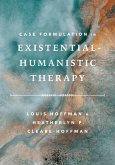
Updated with new research and theory, the third edition merges existential philosophy with humanistic psychotherapy, blending European self-inquiry with American spontaneity. It empowers therapists to help clients navigate life's dilemmas, fostering self-awareness, presence, and deeper relational attunement.
Updated with new research and theory, the third edition merges existential philosophy with humanistic psychotherapy, blending European self-inquiry with American spontaneity. It empowers therapists to help clients navigate life's dilemmas, fostering self-awareness, presence, and deeper relational attunement.
Kirk J. Schneider, PhD, is president of the Existential–Humanistic Institute and adjunct faculty at Saybrook University and Teachers College, Columbia University. He is also past president of the American Psychological Association’s Society for Humanistic Psychology (Division 32). Dr. Schneider has published more than 200 articles and chapters and has authored/edited 15 books, including The Psychology of Existence (with Rollo May) and Life-Enhancing Anxiety. He received the Rollo May Award from Division 32 and the Cultural Innovator award from The Living Institute, Toronto, Canada. He delivered keynote addresses at all three World Congresses for Existential Therapy. Orah T. Krug, PhD, is a licensed psychotherapist and owner of Krug Counseling, Inc., in Oakland, CA. She was also the first clinical director and founding member of the Existential-Humanistic Institute. Dr. Krug has published numerous articles and chapters and coauthored Supervision Essentials of Existential-Humanistic Therapy with Kirk Schneider. She has presented at numerous American Psychological Association conferences, Division 32 conferences, and at the World Congress of Existential Therapy. Dr. Krug recorded training videos and interviews with Victor Yalom.
Inhaltsangabe
Series Preface How to Use This Book With APA Psychotherapy Videos Chapter 1. Introduction Chapter 2. History Chapter 3. Theory Chapter 4. Therapy Process Chapter 5. Evaluation Chapter 6. Future Developments Chapter 7. Summary Appendix A. A Close Up of Otto Rank’s Influence on Existential-–Humanistic Psychology Appendix B. The Existential Unconscious: A Revisioning of Our Hidden Selves Appendix C. Short-Term Case: Hamilton Appendix D. Phases of Change in a Typical Long-Term Existential Therapy Appendix E. Long-Term Case: Claudia Appendix F. Summary of Experiential Stances of the Existential–Integrative Model Glossary of Key Terms Suggested Readings and Resources References Index About the Authors About the Series Editor
Series Preface How to Use This Book With APA Psychotherapy Videos Chapter 1. Introduction Chapter 2. History Chapter 3. Theory Chapter 4. Therapy Process Chapter 5. Evaluation Chapter 6. Future Developments Chapter 7. Summary Appendix A. A Close Up of Otto Rank’s Influence on Existential-–Humanistic Psychology Appendix B. The Existential Unconscious: A Revisioning of Our Hidden Selves Appendix C. Short-Term Case: Hamilton Appendix D. Phases of Change in a Typical Long-Term Existential Therapy Appendix E. Long-Term Case: Claudia Appendix F. Summary of Experiential Stances of the Existential–Integrative Model Glossary of Key Terms Suggested Readings and Resources References Index About the Authors About the Series Editor
Es gelten unsere Allgemeinen Geschäftsbedingungen: www.buecher.de/agb
Impressum
www.buecher.de ist ein Internetauftritt der buecher.de internetstores GmbH
Geschäftsführung: Monica Sawhney | Roland Kölbl | Günter Hilger
Sitz der Gesellschaft: Batheyer Straße 115 - 117, 58099 Hagen
Postanschrift: Bürgermeister-Wegele-Str. 12, 86167 Augsburg
Amtsgericht Hagen HRB 13257
Steuernummer: 321/5800/1497
USt-IdNr: DE450055826