
Andere Kunden interessierten sich auch für
 Exploring Cultural Identities in Jean Rhys' Fiction37,99 €
 Victorian Literature29,99 €
 Robert Louis Stevenson and Nineteenth-Century French Literature121,99 €
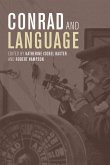
 Conrad and Language121,99 €
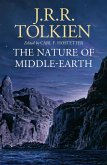
 The Nature of Middle-Earth8,49 €
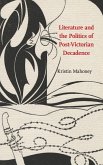
 Literature and the Politics of Post-Victorian Decadence109,99 €
 A View of Victorian Literature31,99 €
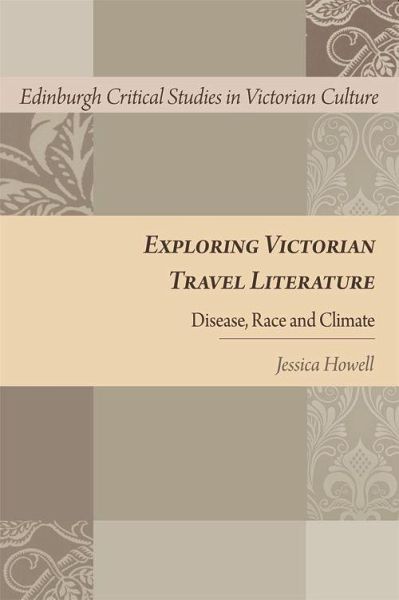
This interdisciplinary study explores both the personal and political significance of climate in the Victorian imagination. It analyses foreboding imagery of miasma, sludge and rot across non-fictional and fictional travel narratives, speeches, private journals and medical advice tracts. Well-known authors such as Joseph Conrad are placed in dialogue with minority writers such as Mary Seacole and Africanus Horton in order to understand their different approaches to representing white illness abroad. The project also considers postcolonial texts such as Wilson Harris's Palace of the Peacock to demonstrate that authors continue to 'write back' to the legacy of colonialism by using images of illness from climate.