
Andere Kunden interessierten sich auch für
 Under the Cope of Heaven221,99 €
 Under the Cope of Heaven53,99 €
 No Depression in Heaven47,99 €
 No Depression in Heaven41,99 €
 The Heaven Rescued Land, The History of the US, Volume I28,99 €
 Artillery of Heaven54,99 €
 Fallen in Battle66,99 €







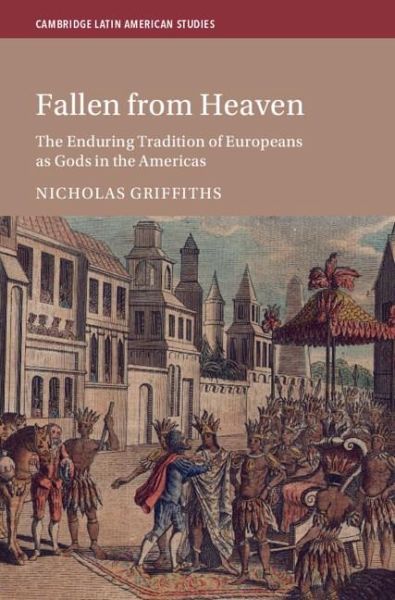
Debunking the so-called apotheosis myth, Nicholas Griffiths argues that Indigenous peoples in North America, Mexico, the Andes, and Hawaii during the early modern period (1492-1789) did not believe invading Europeans were gods. Instead, many perceived them as 'more-than-human' intruders of considerable spiritual power. By exploring the Indigenous context and terminology, using published primary and secondary sources, the book investigates what natives meant when they used words that Europeans translated as 'gods.' In contrast to traditional accounts, Griffiths centers native points of view and the dynamic interactions between European and Indigenous perspectives. Ultimately, both groups were fundamentally comparable since both interpreted their mutual contact in terms of their pre-existing mythology. The traditional contrast between the scientific, rational, and modern Europeans on the one hand, and the myth-bound, irrational, pre-modern Indigenous peoples on the other, is entirely misleading. The first book-length synthesis of this myth, Griffiths reinterprets ideas that have long been debated in various regional literatures.