
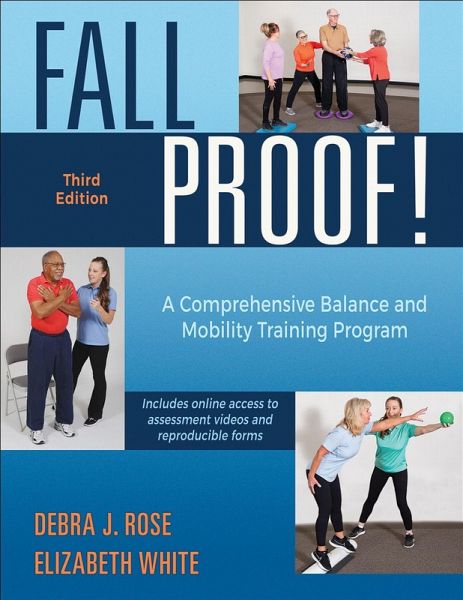
- Broschiertes Buch
- Merkliste
- Auf die Merkliste
- Bewerten Bewerten
- Teilen
- Produkt teilen
- Produkterinnerung
- Produkterinnerung
Updated assessment tools and new exercise routines enhance balance, mobility, and strength for older adults. Practical case studies, expert insights, and video demonstrations provide professionals with evidence-based protocols to minimize fall risks and encourage independent living.
Andere Kunden interessierten sich auch für
 Sandra J. ShultzExamination of Musculoskeletal Injuries149,99 €
 Rene Revis ShinglesPatient-Centered Care in Sports Medicine99,99 €
 Peggy A. HouglumRehabilitation of Musculoskeletal Injuries186,99 €
 Justin PriceThe BioMechanics Method for Corrective Exercise92,99 €
 Geriatric Rehabilitation245,99 €
 Alison M. Goate / Frank Ashall (Volume ed.)Pathobiology of Alzheimer's Disease146,99 €
 Ram JainHatha Yoga23,99 €
-
-
-



Updated assessment tools and new exercise routines enhance balance, mobility, and strength for older adults. Practical case studies, expert insights, and video demonstrations provide professionals with evidence-based protocols to minimize fall risks and encourage independent living.
Produktdetails
- Produktdetails
- Verlag: Human Kinetics Publishers
- Third Edition
- Seitenzahl: 344
- Erscheinungstermin: 30. September 2025
- Englisch
- Abmessung: 282mm x 218mm x 26mm
- Gewicht: 950g
- ISBN-13: 9781492540144
- ISBN-10: 1492540145
- Artikelnr.: 73328549
- Herstellerkennzeichnung
- Libri GmbH
- Europaallee 1
- 36244 Bad Hersfeld
- gpsr@libri.de
- Verlag: Human Kinetics Publishers
- Third Edition
- Seitenzahl: 344
- Erscheinungstermin: 30. September 2025
- Englisch
- Abmessung: 282mm x 218mm x 26mm
- Gewicht: 950g
- ISBN-13: 9781492540144
- ISBN-10: 1492540145
- Artikelnr.: 73328549
- Herstellerkennzeichnung
- Libri GmbH
- Europaallee 1
- 36244 Bad Hersfeld
- gpsr@libri.de
Debra Rose, PhD, FNAK, is a chair and professor emerita of the department of kinesiology at California State University at Fullerton and is director emerita of the university’s Center for Successful Aging. She also served as one of three codirectors of the Fall Prevention Center of Excellence at the University of Southern California, funded by the Archstone Foundation. The goal of the Fall Prevention Center was to advance national and statewide efforts to reduce falls among older adults. For the past 40 years, Rose’s primary research focus has been the development of fall risk assessment tools and theoretically driven interventions that address balance and gait disorders in older adults. She is nationally and internationally recognized for her scholarly contributions to the literature, and her research has been published in numerous peer-reviewed publications, including Journal of the American Geriatrics Society, Archives of Physical Medicine and Rehabilitation, Neurology Report, and Journal of Aging and Physical Activity. The innovative fall risk reduction program she developed is considered a best practice program in health promotion and continues to be implemented in numerous community-based settings and retirement communities throughout the United States. The Balance and Mobility Specialist Instructor certificate program that she founded in 2003 has trained over 1,000 instructors and clinicians to deliver effective individual and group-based balance and mobility programs in a variety of settings. Rose is a fellow and past president of the National Academy of Kinesiology, former executive board member of the North American Society for the Psychology of Sport and Physical Activity (NASPSPA), and past editor in chief of Journal of Aging and Physical Activity. Elizabeth White, MS, is a graduate of California State University at Fullerton with a bachelor’s degree and master’s degree in kinesiology, with a concentration in gerokinesiology. She is assistant program director of the Balance and Mobility Specialist Instructor certificate program, which trains professionals to deliver FallProof balance and mobility programs. She has years of experience designing exercise programs for older adults based on client needs, goals, and abilities. She is also a part-time lecturer and researcher at California State University at Fullerton as well as an adjunct faculty member in the older adults education department at Mt. San Antonio College. White has a passion for working with the older adult population and teaches group-based balance, mobility, and fitness classes to older adults in hopes of helping them age successfully and improve their overall quality of life.
Part I. The Theory Behind the Program
Chapter 1. Understanding Balance and Mobility
What Is Balance?
Terminology
Postural Control Strategies for Controlling Balance
Multiple Systems Contribute to Balance and Mobility
Age-Associated Changes in the Systems Contributing to Balance and Mobility
Case Studies
Summary
Test Your Understanding
Practical Problems
Chapter 2. Why Do Many Older Adults Fall?
Multiple Factors Cause Falls
Effects of Common Medical Conditions
Effect of Medications on Balance and Mobility
Fear of Falling
Are the Risks the Same for All Older Adults?
Practical Implications for Program Planning
Summary
Test Your Understanding
Practical Problems
Part II. The FallProof Program for Improving Balance and Mobility
Chapter 3. Screening and Assessment
Systems Framework of Postural Control
Health and Physical Activity Patterns
Assessing Functional Ability
Assessing Fall Risk
Assessing the Multiple Dimensions of Balance and Gait
Summary
Test Your Understanding
Practical Problems
Chapter 4. Center-of-Gravity Control Training
Seated Balance Activities
Standing Balance Activities
Floor-to-Standing Transfers
Summary
Test Your Understanding
Practical Problems
Chapter 5. Multisensory Training
Forcing the Use of the Somatosensory System to Control Balance
Forcing the Use of the Visual System to Control Balance
Forcing the Use of the Vestibular System to Control Balance
Exercises Coordinating Eye and Head Movements
Summary
Test Your Understanding
Practical Problems
Chapter 6. Postural Strategy Training
Practice Requirements
Progressive Exercise Activities
Summary
Test Your Understanding
Practical Problems
Chapter 7. Gait Pattern Enhancement and Variation Training
Overview of the Gait Cycle
Mechanisms Controlling Gait
Age-Associated Changes in Gait
Effect of Pathology on the Gait Pattern
Gait Pattern Enhancement and Variation Training
Culminating Activities
Summary
Test Your Understanding
Practical Problems
Chapter 8. Strength and Endurance Training
Selected Upper-Body Strength Exercises
Selected Abdominal Strength Exercises
Selected Lower-Body Strength Exercises
Selected Compound Floor Exercises
Selected Exercises for the Foot and Toes
Summary
Test Your Understanding
Practical Problems
Chapter 9. Flexibility Training
Selected Neck and Upper-Body Flexibility Exercises
Selected Lower-Body Flexibility Exercises
Selected Floor-Based Flexibility Exercises
Summary
Test Your Understanding
Practical Problems
Part III. Implementing the FallProof Program
Chapter 10. Setting the Stage for Learning
Understanding the Stages of Learning
Understanding Different Learning Styles
Introducing the Skill Being Learned
Identifying and Correcting Errors in Performance
Summary
Test Your Understanding
Practical Problems
Chapter 11. Program Planning and Class Management Techniques
Following the Initial Assessment
Setting Individual Program Goals
Before Each Class Session
During Each Class Session
Between Class Sessions
After Each Follow-Up Assessment
Communicating With Class Participants
Summary
Test Your Understanding
Practical Problems
Appendix A. Balance Kit Inventory
Appendix B. Answer Key for Test Your Understanding Questions
Chapter 1. Understanding Balance and Mobility
What Is Balance?
Terminology
Postural Control Strategies for Controlling Balance
Multiple Systems Contribute to Balance and Mobility
Age-Associated Changes in the Systems Contributing to Balance and Mobility
Case Studies
Summary
Test Your Understanding
Practical Problems
Chapter 2. Why Do Many Older Adults Fall?
Multiple Factors Cause Falls
Effects of Common Medical Conditions
Effect of Medications on Balance and Mobility
Fear of Falling
Are the Risks the Same for All Older Adults?
Practical Implications for Program Planning
Summary
Test Your Understanding
Practical Problems
Part II. The FallProof Program for Improving Balance and Mobility
Chapter 3. Screening and Assessment
Systems Framework of Postural Control
Health and Physical Activity Patterns
Assessing Functional Ability
Assessing Fall Risk
Assessing the Multiple Dimensions of Balance and Gait
Summary
Test Your Understanding
Practical Problems
Chapter 4. Center-of-Gravity Control Training
Seated Balance Activities
Standing Balance Activities
Floor-to-Standing Transfers
Summary
Test Your Understanding
Practical Problems
Chapter 5. Multisensory Training
Forcing the Use of the Somatosensory System to Control Balance
Forcing the Use of the Visual System to Control Balance
Forcing the Use of the Vestibular System to Control Balance
Exercises Coordinating Eye and Head Movements
Summary
Test Your Understanding
Practical Problems
Chapter 6. Postural Strategy Training
Practice Requirements
Progressive Exercise Activities
Summary
Test Your Understanding
Practical Problems
Chapter 7. Gait Pattern Enhancement and Variation Training
Overview of the Gait Cycle
Mechanisms Controlling Gait
Age-Associated Changes in Gait
Effect of Pathology on the Gait Pattern
Gait Pattern Enhancement and Variation Training
Culminating Activities
Summary
Test Your Understanding
Practical Problems
Chapter 8. Strength and Endurance Training
Selected Upper-Body Strength Exercises
Selected Abdominal Strength Exercises
Selected Lower-Body Strength Exercises
Selected Compound Floor Exercises
Selected Exercises for the Foot and Toes
Summary
Test Your Understanding
Practical Problems
Chapter 9. Flexibility Training
Selected Neck and Upper-Body Flexibility Exercises
Selected Lower-Body Flexibility Exercises
Selected Floor-Based Flexibility Exercises
Summary
Test Your Understanding
Practical Problems
Part III. Implementing the FallProof Program
Chapter 10. Setting the Stage for Learning
Understanding the Stages of Learning
Understanding Different Learning Styles
Introducing the Skill Being Learned
Identifying and Correcting Errors in Performance
Summary
Test Your Understanding
Practical Problems
Chapter 11. Program Planning and Class Management Techniques
Following the Initial Assessment
Setting Individual Program Goals
Before Each Class Session
During Each Class Session
Between Class Sessions
After Each Follow-Up Assessment
Communicating With Class Participants
Summary
Test Your Understanding
Practical Problems
Appendix A. Balance Kit Inventory
Appendix B. Answer Key for Test Your Understanding Questions
Part I. The Theory Behind the Program
Chapter 1. Understanding Balance and Mobility
What Is Balance?
Terminology
Postural Control Strategies for Controlling Balance
Multiple Systems Contribute to Balance and Mobility
Age-Associated Changes in the Systems Contributing to Balance and Mobility
Case Studies
Summary
Test Your Understanding
Practical Problems
Chapter 2. Why Do Many Older Adults Fall?
Multiple Factors Cause Falls
Effects of Common Medical Conditions
Effect of Medications on Balance and Mobility
Fear of Falling
Are the Risks the Same for All Older Adults?
Practical Implications for Program Planning
Summary
Test Your Understanding
Practical Problems
Part II. The FallProof Program for Improving Balance and Mobility
Chapter 3. Screening and Assessment
Systems Framework of Postural Control
Health and Physical Activity Patterns
Assessing Functional Ability
Assessing Fall Risk
Assessing the Multiple Dimensions of Balance and Gait
Summary
Test Your Understanding
Practical Problems
Chapter 4. Center-of-Gravity Control Training
Seated Balance Activities
Standing Balance Activities
Floor-to-Standing Transfers
Summary
Test Your Understanding
Practical Problems
Chapter 5. Multisensory Training
Forcing the Use of the Somatosensory System to Control Balance
Forcing the Use of the Visual System to Control Balance
Forcing the Use of the Vestibular System to Control Balance
Exercises Coordinating Eye and Head Movements
Summary
Test Your Understanding
Practical Problems
Chapter 6. Postural Strategy Training
Practice Requirements
Progressive Exercise Activities
Summary
Test Your Understanding
Practical Problems
Chapter 7. Gait Pattern Enhancement and Variation Training
Overview of the Gait Cycle
Mechanisms Controlling Gait
Age-Associated Changes in Gait
Effect of Pathology on the Gait Pattern
Gait Pattern Enhancement and Variation Training
Culminating Activities
Summary
Test Your Understanding
Practical Problems
Chapter 8. Strength and Endurance Training
Selected Upper-Body Strength Exercises
Selected Abdominal Strength Exercises
Selected Lower-Body Strength Exercises
Selected Compound Floor Exercises
Selected Exercises for the Foot and Toes
Summary
Test Your Understanding
Practical Problems
Chapter 9. Flexibility Training
Selected Neck and Upper-Body Flexibility Exercises
Selected Lower-Body Flexibility Exercises
Selected Floor-Based Flexibility Exercises
Summary
Test Your Understanding
Practical Problems
Part III. Implementing the FallProof Program
Chapter 10. Setting the Stage for Learning
Understanding the Stages of Learning
Understanding Different Learning Styles
Introducing the Skill Being Learned
Identifying and Correcting Errors in Performance
Summary
Test Your Understanding
Practical Problems
Chapter 11. Program Planning and Class Management Techniques
Following the Initial Assessment
Setting Individual Program Goals
Before Each Class Session
During Each Class Session
Between Class Sessions
After Each Follow-Up Assessment
Communicating With Class Participants
Summary
Test Your Understanding
Practical Problems
Appendix A. Balance Kit Inventory
Appendix B. Answer Key for Test Your Understanding Questions
Chapter 1. Understanding Balance and Mobility
What Is Balance?
Terminology
Postural Control Strategies for Controlling Balance
Multiple Systems Contribute to Balance and Mobility
Age-Associated Changes in the Systems Contributing to Balance and Mobility
Case Studies
Summary
Test Your Understanding
Practical Problems
Chapter 2. Why Do Many Older Adults Fall?
Multiple Factors Cause Falls
Effects of Common Medical Conditions
Effect of Medications on Balance and Mobility
Fear of Falling
Are the Risks the Same for All Older Adults?
Practical Implications for Program Planning
Summary
Test Your Understanding
Practical Problems
Part II. The FallProof Program for Improving Balance and Mobility
Chapter 3. Screening and Assessment
Systems Framework of Postural Control
Health and Physical Activity Patterns
Assessing Functional Ability
Assessing Fall Risk
Assessing the Multiple Dimensions of Balance and Gait
Summary
Test Your Understanding
Practical Problems
Chapter 4. Center-of-Gravity Control Training
Seated Balance Activities
Standing Balance Activities
Floor-to-Standing Transfers
Summary
Test Your Understanding
Practical Problems
Chapter 5. Multisensory Training
Forcing the Use of the Somatosensory System to Control Balance
Forcing the Use of the Visual System to Control Balance
Forcing the Use of the Vestibular System to Control Balance
Exercises Coordinating Eye and Head Movements
Summary
Test Your Understanding
Practical Problems
Chapter 6. Postural Strategy Training
Practice Requirements
Progressive Exercise Activities
Summary
Test Your Understanding
Practical Problems
Chapter 7. Gait Pattern Enhancement and Variation Training
Overview of the Gait Cycle
Mechanisms Controlling Gait
Age-Associated Changes in Gait
Effect of Pathology on the Gait Pattern
Gait Pattern Enhancement and Variation Training
Culminating Activities
Summary
Test Your Understanding
Practical Problems
Chapter 8. Strength and Endurance Training
Selected Upper-Body Strength Exercises
Selected Abdominal Strength Exercises
Selected Lower-Body Strength Exercises
Selected Compound Floor Exercises
Selected Exercises for the Foot and Toes
Summary
Test Your Understanding
Practical Problems
Chapter 9. Flexibility Training
Selected Neck and Upper-Body Flexibility Exercises
Selected Lower-Body Flexibility Exercises
Selected Floor-Based Flexibility Exercises
Summary
Test Your Understanding
Practical Problems
Part III. Implementing the FallProof Program
Chapter 10. Setting the Stage for Learning
Understanding the Stages of Learning
Understanding Different Learning Styles
Introducing the Skill Being Learned
Identifying and Correcting Errors in Performance
Summary
Test Your Understanding
Practical Problems
Chapter 11. Program Planning and Class Management Techniques
Following the Initial Assessment
Setting Individual Program Goals
Before Each Class Session
During Each Class Session
Between Class Sessions
After Each Follow-Up Assessment
Communicating With Class Participants
Summary
Test Your Understanding
Practical Problems
Appendix A. Balance Kit Inventory
Appendix B. Answer Key for Test Your Understanding Questions