
Andere Kunden interessierten sich auch für
 Company Men36,99 €
 The Battle of Bretton Woods28,99 €
 The Forgotten Man17,99 €
 The Evolving Way: An HP Story41,99 €
 Clashing Over Commerce39,99 €
 The Forgotten Man26,99 €
 Why the New Deal Matters12,99 €



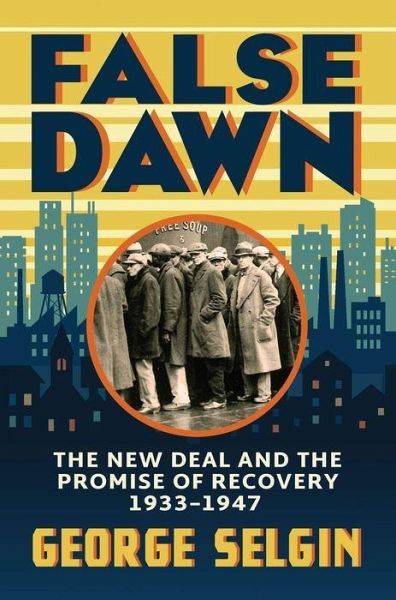
CHOSEN AS ONE OF THE WALL STREET JOURNAL'S 10 BEST BOOKS OF 2025 A definitive history of the United States' recovery from the Great Depression--and the New Deal's true part in it. FDR's New Deal has long enjoyed a special place in American history and policy--both because it redefined the government's fundamental responsibilities and because Roosevelt's "bold experimentation" represented a type of policymaking many would like to see repeated. But "the thing about bold experiments," economist George Selgin reminds us, "is that they often fail." In False Dawn Selgin draws on both contemporary sources and numerous studies by economic historians to show that, although steps taken during the Roosevelt administration's first days raised hopes of a speedy recovery from the Great Depression, instead of fulfilling those hopes, subsequent New Deal policies proved so counterproductive that over seventeen percent of American workers--more than the peak unemployment rate during the COVID-19 crisis--were still either unemployed or on work relief six years later. By distinguishing the New Deal's successes from its failures, and explaining how the U.S. finally managed to lay the specter of mass unemployment to rest, Selgin draws salient lessons for dealing with future recessions.