
Andere Kunden interessierten sich auch für
 Das Mädchen mit dem Perlenohrring14,00 €
 Die Meisterin der Wachsfiguren / Bedeutende Frauen, die die Welt verändern Bd.1516,00 €
") (Berlin, Miami)12,00 €
(Berlin, Miami)12,00 € Alle Farben weiß18,00 €
 Die fehlenden Teile12,00 €
 Novelle9,00 €
 Impressions De Voyage. Le Corricolo ...38,99 €




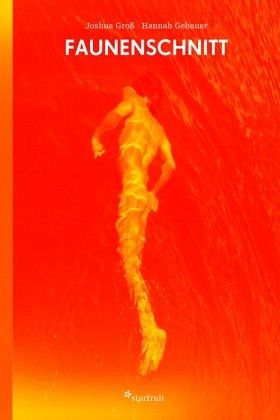
With his debut novel "Der Trost von Telefonzellen" ("The Solace of Telephone Booths"), Joshua Groß burst onto the scene to the delight of many readers."Magische Rosinen" ("Magical Raisins"),his second book, has already won several prizes (including the Bavarian Prize for the Promotion of Fine Arts and the Wolfram von Eschenbach Promotional Prize, both in 2014).Not surprisingly, in his new novel Joshua Groß once again recounts an extraordinary and magnificently highly-charged story. "Faunenschnitt" ("Mass Extinction") is set in Austria's Salzkammergut region in high summer and tells the story of a Nazi secret and a snappy moray eel, of postmodern sadness and a crashed glider, of the psychiatric treatment of Thomas Middelhoff, of Dali sculptures and a dog fed on vegan food, of the rosy glow of the mountains at sunset, and of friendship, love, and paranoia. "Faunenschnitt" outlines one young person's quest for meaning in a world marked by violence, of brave defiance and sly intervention. A fast-paced novel accompanied by the interplay of color and light in Hannah Gebauer's photographs, by images that leave room for secrecy and discovery.
Perlentaucher-Notiz zur F.A.Z.-Rezension
Christian Metz hat mit Joshua Groß und dessen bekifften Realismus eine Entdeckung gemacht. Nicht ausgereift, aber gewagt findet er, wie der Autor seine einfache Geschichte um den weitgehend ereignislosen Besuch eines Schriftstellers und "suchenden Detektivs" bei seinem Verleger mit Evidenzterror einerseits, mit Mythen und Sonderbarem andererseits in Schwung bringt. Fakt und Fake, meint Metz, lässt Groß aufeinanderknallen, rhetorisch metaphorisch, auf Handlungsebene (es wird tüchtig gekifft!) und bei der Buchgestaltung mit Fotos und roter Schrift.
© Perlentaucher Medien GmbH
© Perlentaucher Medien GmbH