
Andere Kunden interessierten sich auch für
 The Ancient Paths19,99 €
 Digging Up Armageddon40,99 €
 Archaeology of Urban Bondage108,99 €
 The Shaping of the English Landscape: An Atlas of Archaeology from the Bronze Age to Domesday Book52,99 €
 Digging Up Armageddon28,99 €
 Encyclopedia of Prehistory123,99 €
 Preserving Cultural Heritage in the Digital Age116,99 €





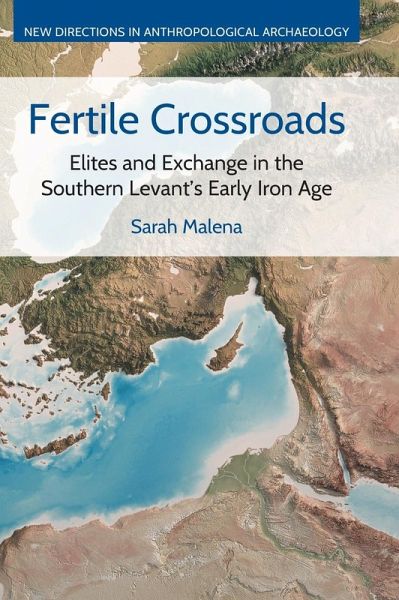
The southern Levant linked the major powers of the ancient Near East. More often than not, the peoples of this land were politically and economically dominated by greater kingdoms and empires. However, during the transition between the Iron I and Iron II periods (late 11th to early 9th centuries bce), imperial control diminished, and local leadership emerged. Fertile Crossroads explores how, despite the lack of large-scale institutional support throughout the ancient world, small-scale leaders persisted in long-distance interactions and established the foundations for Iron Age polities. Fertile Crossroads critically examines the most direct evidence of these developments through historical and anthropological approaches to intercultural interaction and social change. Despite challenging disparities between historical, literary, and archaeological sources, this book demonstrates that interactions (including diplomacy, commerce, competitive emulation, and aggression) were taking place within the southern Levant and with its more distant neighbors, such as Egypt, Arabia, Phoenicia, Cyprus, and even the Aegean. In this new application of interaction models to a synthesis of evidence, Fertile Crossroads shows how small-scale exchange had a significant impact on sociopolitical changes in the region, particularly in terms of shifts in elite networks, territories, group identities, and political power.