
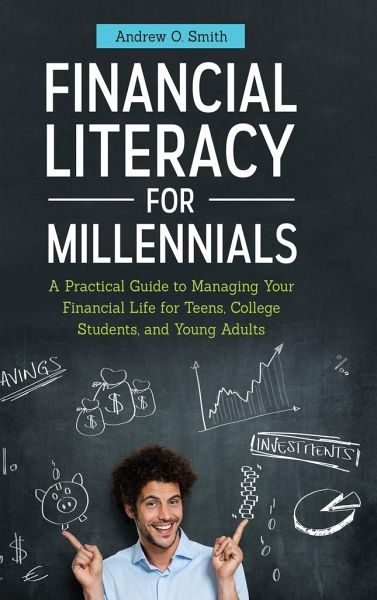
Andrew O. Smith CFO
Financial Literacy for Millennials
A Practical Guide to Managing Your Financial Life for Teens, College Students, and Young Adults
Andrew O. Smith CFO
Financial Literacy for Millennials
A Practical Guide to Managing Your Financial Life for Teens, College Students, and Young Adults
- Gebundenes Buch
- Merkliste
- Auf die Merkliste
- Bewerten Bewerten
- Teilen
- Produkt teilen
- Produkterinnerung
- Produkterinnerung
"Combining practical advice with targeted information on virtually every aspect of personal finance and money management, this book is the ideal resource for young people who want to start off their financial lives properly"--
Andere Kunden interessierten sich auch für
 Danielle TownInvested11,99 €
 R. David Lankes (Director and University of South C Associate DeanThe New Librarianship Field Guide25,99 €
 Erin LowryBroke Millennial Takes On Investing19,99 €
 Sarah Young FisherMoney for Millennials25,99 €
 John C. MaxwellSuccess Is a Choice21,99 €
 Frank L. ACUFFThe How to Negotiate Anything with Anyone Anywhere Around the World19,99 €
 John C. MaxwellThe 21 Indispensable Qualities of a Leader16,99 €
-
-
-


"Combining practical advice with targeted information on virtually every aspect of personal finance and money management, this book is the ideal resource for young people who want to start off their financial lives properly"--
Produktdetails
- Produktdetails
- Verlag: Bloomsbury Publishing Plc
- Seitenzahl: 216
- Erscheinungstermin: 22. August 2016
- Englisch
- Abmessung: 240mm x 161mm x 16mm
- Gewicht: 482g
- ISBN-13: 9781440834028
- ISBN-10: 1440834024
- Artikelnr.: 44322354
- Herstellerkennzeichnung
- Libri GmbH
- Europaallee 1
- 36244 Bad Hersfeld
- gpsr@libri.de
- Verlag: Bloomsbury Publishing Plc
- Seitenzahl: 216
- Erscheinungstermin: 22. August 2016
- Englisch
- Abmessung: 240mm x 161mm x 16mm
- Gewicht: 482g
- ISBN-13: 9781440834028
- ISBN-10: 1440834024
- Artikelnr.: 44322354
- Herstellerkennzeichnung
- Libri GmbH
- Europaallee 1
- 36244 Bad Hersfeld
- gpsr@libri.de
Andrew T. Smith, now a Professor Emeritus, served on the faculty of the School of Life Sciences at Arizona State University for 39 years. He was chosen as Professor of the Year by the Parent's Association in 2006 and awarded the rank of President's Professor in 2010. The College of Liberal Arts and Sciences awarded Smith the Zebulon Pearce Distinguished Teaching Award in 2016.Smith is a conservation biologist whose work includes the behavioral ecology of mammals, effects of habitat fragmentation, and ecosystem services provided by small mammals. He primarily works in the mountains of western United States and on the Tibetan plateau. His research focuses on the pika, a small relative of rabbits. He is an avowed field biologist who is proud to have not conducted any lab bench work in his long career.Smith is involved in global conservation issues and served as Chair of the IUCN Species Survival Commission Lagomorph Specialist Group from 1991 - 2021. He has also advised the Chinese government on issues concerning biodiversity (Biodiversity Working Group of the China Council for International Cooperation on Environment and Development). The American Society of Mammalogists chose Smith as recipient of its 2015 Aldo Leopold Conservation Award. In addition to publishing ~130 papers, his A Guide to the Mammals of China (Princeton University Press; 2008) was the first comprehensive treatment of the 556 mammal species found in China (also available in Chinese - Hunan Education Publishing House: Changsha, Hunan, China; 2009). Smith has also produced Mammals of China (Princeton University Press Pocket Guide; 2013) and Lagomorphs: Pikas, Rabbits, and Hares of the World (Johns Hopkins University Press; 2013). He teamed with his wife, Harriet, to write The Astonishing, Astounding, Amazing Sonoran Desert (Dockside Sailing Press; 2019, Second Edition - Publish Authority, 2021)
Acknowledgments
Prologue: A Tale of Two Teens
ONE: Financial Planning
Money. Inflation. Personal Responsibility. Life Goals. Experts. Elements of
a Financial Plan. Keeping Track. Giving Back. A Balanced Life.
TWO: Careers
Career Paths. Human Capital, Education, and Training. The Labor Market.
Lifetime Income. Job Satisfaction. Compensation and Overtime. Negotiating
Pay and Benefits. Careers to Consider. Experiential Work. Internships,
Mentors, and References.
THREE: Business and Entrepreneurship
Business Organization. The Language of Business. Startups. Franchises. Side
Businesses. Real Estate. Sources of Funding. The Economy. Growth and
Recession. International Business.
FOUR: Savings and Banking
Why Save? How to Save. Banking Basics. Bank Accounts. Automated Teller
Machines. Prepaid Debit Cards. Other Financial Institutions. Fees and
Services. Reconciliation. Mobile Payment Systems. Electronic Banking.
Deposit Insurance. Bank Safety.
FIVE: Budgeting and Spending
How to Budget. Everyday Spending. Savings and Emergencies. Sample Budget.
Automobiles. Renting an Apartment. Owning a Home. Renting versus Buying.
College. Children. Value. Consumers Beware.
SIX: Credit and Debt
Loans. Time Value of Money. Collateral and Repayment. Mortgages. Interest
Rates. Amortization. Credit Cards. Automobile and Personal Loans. Credit
Reports. Payday Lending. Debt Collection. Responsible Use.
SEVEN: Bankruptcy
Why Bankruptcy? Types of Bankruptcy. Exempt Property. Discharge of Debts.
Bankruptcy Process. Avoiding Bankruptcy. Credit Counseling. Business
Bankruptcies. After Bankruptcy.
EIGHT: Investments
Compounding. Understanding Risk. The Stock Market. Mutual Funds. Market
Index Funds. Bonds. Treasury Securities and Money Market Funds.
Derivatives. Commodities and Currencies. Other Investments. Losses. Safety
of Financial Markets.
NINE: Avoiding Financial Scams
Pyramid Schemes. Other Investment Frauds. Identity Theft. Safe Computers.
Internet Scams. Bitcoins. Get Rich in Real Estate. Multi-Level Marketing.
Day Trading. Gambling. Other Scams. Consumer Protection.
TEN: Insurance
How Insurance Works. Property Insurance. Title Insurance. Renter's
Insurance. Cars and Other Vehicles. Health Insurance. Disability Insurance.
Life Insurance. Liability Insurance. Social Media Risks. Insurance for
Other Risks.
ELEVEN: Taxes
How Taxes Work. What Taxes Support. Sales Taxes. Income Taxes. Employment
Taxes. Property Taxes. Other Taxes. Tax Expenditures. Taxes and Behavior.
Tax Considerations for Business.
TWELVE: Government Benefits
Social Security. Medicare. Poverty. Medicaid and the Affordable Care Act.
Food Stamps. Student Loans. Home Loan Programs. Other Housing Support.
Direct Financial Assistance. Job-Related Assistance. Other Benefit
Programs.
THIRTEEN: Legal Issues
Contracts. Prenuptial Agreements. Liability. Property. Intellectual
Property. Accidents. Civil Litigation. Law in the Workplace. Using Lawyers.
FOURTEEN: Growing Older
Retirement Plans. Pensions. How Much Do You Need? Wills and Estates.
Trusts. Health Issues. Family Obligations.
APPENDIX 1: Website Content
APPENDIX 2: Takeaway Tips
Top Ten Financial Tips. First Job Tips. Tips for College. Tips for
Graduating Students.
APPENDIX 3: Curriculum Planning
Index
Prologue: A Tale of Two Teens
ONE: Financial Planning
Money. Inflation. Personal Responsibility. Life Goals. Experts. Elements of
a Financial Plan. Keeping Track. Giving Back. A Balanced Life.
TWO: Careers
Career Paths. Human Capital, Education, and Training. The Labor Market.
Lifetime Income. Job Satisfaction. Compensation and Overtime. Negotiating
Pay and Benefits. Careers to Consider. Experiential Work. Internships,
Mentors, and References.
THREE: Business and Entrepreneurship
Business Organization. The Language of Business. Startups. Franchises. Side
Businesses. Real Estate. Sources of Funding. The Economy. Growth and
Recession. International Business.
FOUR: Savings and Banking
Why Save? How to Save. Banking Basics. Bank Accounts. Automated Teller
Machines. Prepaid Debit Cards. Other Financial Institutions. Fees and
Services. Reconciliation. Mobile Payment Systems. Electronic Banking.
Deposit Insurance. Bank Safety.
FIVE: Budgeting and Spending
How to Budget. Everyday Spending. Savings and Emergencies. Sample Budget.
Automobiles. Renting an Apartment. Owning a Home. Renting versus Buying.
College. Children. Value. Consumers Beware.
SIX: Credit and Debt
Loans. Time Value of Money. Collateral and Repayment. Mortgages. Interest
Rates. Amortization. Credit Cards. Automobile and Personal Loans. Credit
Reports. Payday Lending. Debt Collection. Responsible Use.
SEVEN: Bankruptcy
Why Bankruptcy? Types of Bankruptcy. Exempt Property. Discharge of Debts.
Bankruptcy Process. Avoiding Bankruptcy. Credit Counseling. Business
Bankruptcies. After Bankruptcy.
EIGHT: Investments
Compounding. Understanding Risk. The Stock Market. Mutual Funds. Market
Index Funds. Bonds. Treasury Securities and Money Market Funds.
Derivatives. Commodities and Currencies. Other Investments. Losses. Safety
of Financial Markets.
NINE: Avoiding Financial Scams
Pyramid Schemes. Other Investment Frauds. Identity Theft. Safe Computers.
Internet Scams. Bitcoins. Get Rich in Real Estate. Multi-Level Marketing.
Day Trading. Gambling. Other Scams. Consumer Protection.
TEN: Insurance
How Insurance Works. Property Insurance. Title Insurance. Renter's
Insurance. Cars and Other Vehicles. Health Insurance. Disability Insurance.
Life Insurance. Liability Insurance. Social Media Risks. Insurance for
Other Risks.
ELEVEN: Taxes
How Taxes Work. What Taxes Support. Sales Taxes. Income Taxes. Employment
Taxes. Property Taxes. Other Taxes. Tax Expenditures. Taxes and Behavior.
Tax Considerations for Business.
TWELVE: Government Benefits
Social Security. Medicare. Poverty. Medicaid and the Affordable Care Act.
Food Stamps. Student Loans. Home Loan Programs. Other Housing Support.
Direct Financial Assistance. Job-Related Assistance. Other Benefit
Programs.
THIRTEEN: Legal Issues
Contracts. Prenuptial Agreements. Liability. Property. Intellectual
Property. Accidents. Civil Litigation. Law in the Workplace. Using Lawyers.
FOURTEEN: Growing Older
Retirement Plans. Pensions. How Much Do You Need? Wills and Estates.
Trusts. Health Issues. Family Obligations.
APPENDIX 1: Website Content
APPENDIX 2: Takeaway Tips
Top Ten Financial Tips. First Job Tips. Tips for College. Tips for
Graduating Students.
APPENDIX 3: Curriculum Planning
Index
Acknowledgments
Prologue: A Tale of Two Teens
ONE: Financial Planning
Money. Inflation. Personal Responsibility. Life Goals. Experts. Elements of
a Financial Plan. Keeping Track. Giving Back. A Balanced Life.
TWO: Careers
Career Paths. Human Capital, Education, and Training. The Labor Market.
Lifetime Income. Job Satisfaction. Compensation and Overtime. Negotiating
Pay and Benefits. Careers to Consider. Experiential Work. Internships,
Mentors, and References.
THREE: Business and Entrepreneurship
Business Organization. The Language of Business. Startups. Franchises. Side
Businesses. Real Estate. Sources of Funding. The Economy. Growth and
Recession. International Business.
FOUR: Savings and Banking
Why Save? How to Save. Banking Basics. Bank Accounts. Automated Teller
Machines. Prepaid Debit Cards. Other Financial Institutions. Fees and
Services. Reconciliation. Mobile Payment Systems. Electronic Banking.
Deposit Insurance. Bank Safety.
FIVE: Budgeting and Spending
How to Budget. Everyday Spending. Savings and Emergencies. Sample Budget.
Automobiles. Renting an Apartment. Owning a Home. Renting versus Buying.
College. Children. Value. Consumers Beware.
SIX: Credit and Debt
Loans. Time Value of Money. Collateral and Repayment. Mortgages. Interest
Rates. Amortization. Credit Cards. Automobile and Personal Loans. Credit
Reports. Payday Lending. Debt Collection. Responsible Use.
SEVEN: Bankruptcy
Why Bankruptcy? Types of Bankruptcy. Exempt Property. Discharge of Debts.
Bankruptcy Process. Avoiding Bankruptcy. Credit Counseling. Business
Bankruptcies. After Bankruptcy.
EIGHT: Investments
Compounding. Understanding Risk. The Stock Market. Mutual Funds. Market
Index Funds. Bonds. Treasury Securities and Money Market Funds.
Derivatives. Commodities and Currencies. Other Investments. Losses. Safety
of Financial Markets.
NINE: Avoiding Financial Scams
Pyramid Schemes. Other Investment Frauds. Identity Theft. Safe Computers.
Internet Scams. Bitcoins. Get Rich in Real Estate. Multi-Level Marketing.
Day Trading. Gambling. Other Scams. Consumer Protection.
TEN: Insurance
How Insurance Works. Property Insurance. Title Insurance. Renter's
Insurance. Cars and Other Vehicles. Health Insurance. Disability Insurance.
Life Insurance. Liability Insurance. Social Media Risks. Insurance for
Other Risks.
ELEVEN: Taxes
How Taxes Work. What Taxes Support. Sales Taxes. Income Taxes. Employment
Taxes. Property Taxes. Other Taxes. Tax Expenditures. Taxes and Behavior.
Tax Considerations for Business.
TWELVE: Government Benefits
Social Security. Medicare. Poverty. Medicaid and the Affordable Care Act.
Food Stamps. Student Loans. Home Loan Programs. Other Housing Support.
Direct Financial Assistance. Job-Related Assistance. Other Benefit
Programs.
THIRTEEN: Legal Issues
Contracts. Prenuptial Agreements. Liability. Property. Intellectual
Property. Accidents. Civil Litigation. Law in the Workplace. Using Lawyers.
FOURTEEN: Growing Older
Retirement Plans. Pensions. How Much Do You Need? Wills and Estates.
Trusts. Health Issues. Family Obligations.
APPENDIX 1: Website Content
APPENDIX 2: Takeaway Tips
Top Ten Financial Tips. First Job Tips. Tips for College. Tips for
Graduating Students.
APPENDIX 3: Curriculum Planning
Index
Prologue: A Tale of Two Teens
ONE: Financial Planning
Money. Inflation. Personal Responsibility. Life Goals. Experts. Elements of
a Financial Plan. Keeping Track. Giving Back. A Balanced Life.
TWO: Careers
Career Paths. Human Capital, Education, and Training. The Labor Market.
Lifetime Income. Job Satisfaction. Compensation and Overtime. Negotiating
Pay and Benefits. Careers to Consider. Experiential Work. Internships,
Mentors, and References.
THREE: Business and Entrepreneurship
Business Organization. The Language of Business. Startups. Franchises. Side
Businesses. Real Estate. Sources of Funding. The Economy. Growth and
Recession. International Business.
FOUR: Savings and Banking
Why Save? How to Save. Banking Basics. Bank Accounts. Automated Teller
Machines. Prepaid Debit Cards. Other Financial Institutions. Fees and
Services. Reconciliation. Mobile Payment Systems. Electronic Banking.
Deposit Insurance. Bank Safety.
FIVE: Budgeting and Spending
How to Budget. Everyday Spending. Savings and Emergencies. Sample Budget.
Automobiles. Renting an Apartment. Owning a Home. Renting versus Buying.
College. Children. Value. Consumers Beware.
SIX: Credit and Debt
Loans. Time Value of Money. Collateral and Repayment. Mortgages. Interest
Rates. Amortization. Credit Cards. Automobile and Personal Loans. Credit
Reports. Payday Lending. Debt Collection. Responsible Use.
SEVEN: Bankruptcy
Why Bankruptcy? Types of Bankruptcy. Exempt Property. Discharge of Debts.
Bankruptcy Process. Avoiding Bankruptcy. Credit Counseling. Business
Bankruptcies. After Bankruptcy.
EIGHT: Investments
Compounding. Understanding Risk. The Stock Market. Mutual Funds. Market
Index Funds. Bonds. Treasury Securities and Money Market Funds.
Derivatives. Commodities and Currencies. Other Investments. Losses. Safety
of Financial Markets.
NINE: Avoiding Financial Scams
Pyramid Schemes. Other Investment Frauds. Identity Theft. Safe Computers.
Internet Scams. Bitcoins. Get Rich in Real Estate. Multi-Level Marketing.
Day Trading. Gambling. Other Scams. Consumer Protection.
TEN: Insurance
How Insurance Works. Property Insurance. Title Insurance. Renter's
Insurance. Cars and Other Vehicles. Health Insurance. Disability Insurance.
Life Insurance. Liability Insurance. Social Media Risks. Insurance for
Other Risks.
ELEVEN: Taxes
How Taxes Work. What Taxes Support. Sales Taxes. Income Taxes. Employment
Taxes. Property Taxes. Other Taxes. Tax Expenditures. Taxes and Behavior.
Tax Considerations for Business.
TWELVE: Government Benefits
Social Security. Medicare. Poverty. Medicaid and the Affordable Care Act.
Food Stamps. Student Loans. Home Loan Programs. Other Housing Support.
Direct Financial Assistance. Job-Related Assistance. Other Benefit
Programs.
THIRTEEN: Legal Issues
Contracts. Prenuptial Agreements. Liability. Property. Intellectual
Property. Accidents. Civil Litigation. Law in the Workplace. Using Lawyers.
FOURTEEN: Growing Older
Retirement Plans. Pensions. How Much Do You Need? Wills and Estates.
Trusts. Health Issues. Family Obligations.
APPENDIX 1: Website Content
APPENDIX 2: Takeaway Tips
Top Ten Financial Tips. First Job Tips. Tips for College. Tips for
Graduating Students.
APPENDIX 3: Curriculum Planning
Index