
Andere Kunden interessierten sich auch für
 Actividad antimicrobiana del aceite de Foeniculum vulgare24,99 €
 Control of Fusarium Oxysporum with Essential Oil of Oregano18,99 €
 Evaluation of Antimicrobial and Antioxidant26,99 €
 Antimicrobial Benefits of Neem Tree52,99 €
 Gels for Oil and Gas Industry Applications73,99 €
 Advances in Oil and Gas Wellbore Integrity89,99 €
 Role of Microbes in Environment26,99 €

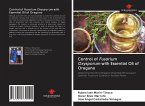





Antibacterial effects of quinolone antibiotics are by binding to complexes that form between DNA and DNA gyrase. Shortly after binding, the quinolones cause a molecular change to the DNA gyrase enzyme (Hashem et al., 2013). In this respect, mutations of gyrase or topoisomerase IV enzymes cause quinolone resistance (Hooper, 1999) which may be the cause of the intermediate resistance of E. coli from cheese, Enterobacter cloacae from egg and Enterobacter spp. from milk to Nalidixic acid as the mutations responsible for reduce the affinity of the enzyme-DNA complex to quinolones (Willmott and Maxwell, 1993).