- Broschiertes Buch
- Merkliste
- Auf die Merkliste
- Bewerten Bewerten
- Teilen
- Produkt teilen
- Produkterinnerung
- Produkterinnerung
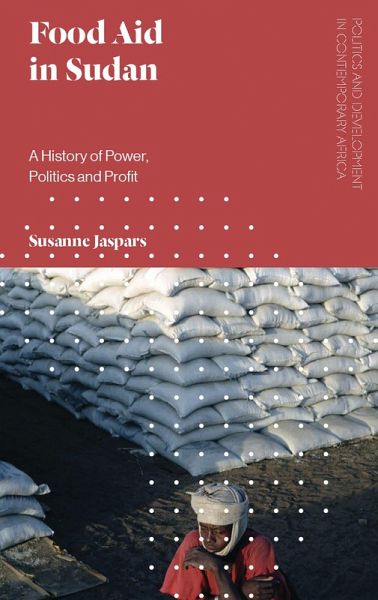
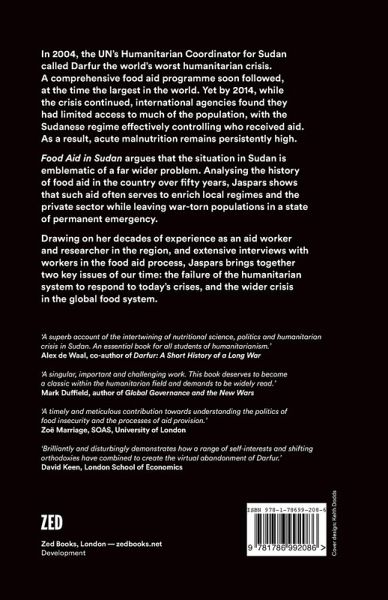
A comprehensive, historical study of one of the world's largest food aid programmes, interrogating the failures of contemporary humanitarianism and the wider crisis in the global food system.
Andere Kunden interessierten sich auch für
Erik BahreIronies of Solidarity33,99 €
Chris HugginsAgricultural Reform in Rwanda33,99 €
Padraig Carmody (Ireland Trinity College Dublin)Africa's Shadow Rise91,99 €
Negotiating Public Services in the Congo38,99 €
Deborah ScrogginsEmma's War19,99 €
Uganda36,99 €
Bram J. JansenKakuma Refugee Camp100,99 €-
-
-
A comprehensive, historical study of one of the world's largest food aid programmes, interrogating the failures of contemporary humanitarianism and the wider crisis in the global food system.
Produktdetails
- Produktdetails
- Politics and Development in Contemporary Africa
- Verlag: Bloomsbury Publishing PLC
- Seitenzahl: 266
- Erscheinungstermin: 15. November 2019
- Englisch
- Abmessung: 216mm x 140mm x 16mm
- Gewicht: 352g
- ISBN-13: 9781786992086
- ISBN-10: 1786992086
- Artikelnr.: 55773603
- Herstellerkennzeichnung
- Libri GmbH
- Europaallee 1
- 36244 Bad Hersfeld
- gpsr@libri.de
- Politics and Development in Contemporary Africa
- Verlag: Bloomsbury Publishing PLC
- Seitenzahl: 266
- Erscheinungstermin: 15. November 2019
- Englisch
- Abmessung: 216mm x 140mm x 16mm
- Gewicht: 352g
- ISBN-13: 9781786992086
- ISBN-10: 1786992086
- Artikelnr.: 55773603
- Herstellerkennzeichnung
- Libri GmbH
- Europaallee 1
- 36244 Bad Hersfeld
- gpsr@libri.de
Susanne Jaspars
Preface
1. Introduction: Food Aid and Power
The Crisis in Sudan
What is Food Aid?
Analysing Food Aid, Power and Governance
Food Aid in Sudan
The Challenges of Fieldwork in Sudan
2. From Managing States and Supporting Livelihoods to Abandoning
Populations
Managing States: Food Aid to Strengthen States and Benefit Donors
Managing Lives: Food Aid to Save Lives and Protect Livelihoods
Abandoning Populations: Food Aid, Global Instability and Resilience
Conclusions
3. Food Aid in Sudan: Government and Private Sector Response
Sudan's Protracted Crisis: Food, Governance and Inequality
The Early Years of Food Aid in Sudan: Urban Food Subsidies, Uneven
Development and Refugees
Changes in Quantities and Types of International Food Aid in Sudan
The Famines of the 1980s and the Manipulation of Food Aid
Islamism, Self-sufficiency and War
Control over International Agencies and the Sudanisation of Food Aid
Conclusions
4. The Effects of Food Aid Practices in North Darfur
An Overview of Drought, Famine and Conflict in North Darfur
Food Aid in Response to Drought and Famine (the 1980s and 1990s)
The Darfur Crisis: Food Aid in the Early Years (2003-07)
The Later Years (2008-14): Reduced Food Aid and Access Restrictions
Indirect Effects of Reduced Food Aid
Are People Still Coping?
Conclusions
5. Perceptions of Food Aid: Politics, Dependency and Denial of Permanent
Emergency
A Country of Food Aid Experts
The Government View of Food Aid
International Agencies: De-politicisation and Abandonment
International Agencies: The Denial of Permanent Emergency
Alternative Perceptions of Food Aid: Politics, War and Economic Benefits
Conclusions
6. Conclusions
What Brought about Change?
Continuities?
Impact of Food Aid Practices in Sudan's Protracted Emergency
Implications for Humanitarian and Food Aid Operations
Appendix 1: Chronology of Key Political Events in Sudan
1. Introduction: Food Aid and Power
The Crisis in Sudan
What is Food Aid?
Analysing Food Aid, Power and Governance
Food Aid in Sudan
The Challenges of Fieldwork in Sudan
2. From Managing States and Supporting Livelihoods to Abandoning
Populations
Managing States: Food Aid to Strengthen States and Benefit Donors
Managing Lives: Food Aid to Save Lives and Protect Livelihoods
Abandoning Populations: Food Aid, Global Instability and Resilience
Conclusions
3. Food Aid in Sudan: Government and Private Sector Response
Sudan's Protracted Crisis: Food, Governance and Inequality
The Early Years of Food Aid in Sudan: Urban Food Subsidies, Uneven
Development and Refugees
Changes in Quantities and Types of International Food Aid in Sudan
The Famines of the 1980s and the Manipulation of Food Aid
Islamism, Self-sufficiency and War
Control over International Agencies and the Sudanisation of Food Aid
Conclusions
4. The Effects of Food Aid Practices in North Darfur
An Overview of Drought, Famine and Conflict in North Darfur
Food Aid in Response to Drought and Famine (the 1980s and 1990s)
The Darfur Crisis: Food Aid in the Early Years (2003-07)
The Later Years (2008-14): Reduced Food Aid and Access Restrictions
Indirect Effects of Reduced Food Aid
Are People Still Coping?
Conclusions
5. Perceptions of Food Aid: Politics, Dependency and Denial of Permanent
Emergency
A Country of Food Aid Experts
The Government View of Food Aid
International Agencies: De-politicisation and Abandonment
International Agencies: The Denial of Permanent Emergency
Alternative Perceptions of Food Aid: Politics, War and Economic Benefits
Conclusions
6. Conclusions
What Brought about Change?
Continuities?
Impact of Food Aid Practices in Sudan's Protracted Emergency
Implications for Humanitarian and Food Aid Operations
Appendix 1: Chronology of Key Political Events in Sudan
Preface
1. Introduction: Food Aid and Power
The Crisis in Sudan
What is Food Aid?
Analysing Food Aid, Power and Governance
Food Aid in Sudan
The Challenges of Fieldwork in Sudan
2. From Managing States and Supporting Livelihoods to Abandoning
Populations
Managing States: Food Aid to Strengthen States and Benefit Donors
Managing Lives: Food Aid to Save Lives and Protect Livelihoods
Abandoning Populations: Food Aid, Global Instability and Resilience
Conclusions
3. Food Aid in Sudan: Government and Private Sector Response
Sudan's Protracted Crisis: Food, Governance and Inequality
The Early Years of Food Aid in Sudan: Urban Food Subsidies, Uneven
Development and Refugees
Changes in Quantities and Types of International Food Aid in Sudan
The Famines of the 1980s and the Manipulation of Food Aid
Islamism, Self-sufficiency and War
Control over International Agencies and the Sudanisation of Food Aid
Conclusions
4. The Effects of Food Aid Practices in North Darfur
An Overview of Drought, Famine and Conflict in North Darfur
Food Aid in Response to Drought and Famine (the 1980s and 1990s)
The Darfur Crisis: Food Aid in the Early Years (2003-07)
The Later Years (2008-14): Reduced Food Aid and Access Restrictions
Indirect Effects of Reduced Food Aid
Are People Still Coping?
Conclusions
5. Perceptions of Food Aid: Politics, Dependency and Denial of Permanent
Emergency
A Country of Food Aid Experts
The Government View of Food Aid
International Agencies: De-politicisation and Abandonment
International Agencies: The Denial of Permanent Emergency
Alternative Perceptions of Food Aid: Politics, War and Economic Benefits
Conclusions
6. Conclusions
What Brought about Change?
Continuities?
Impact of Food Aid Practices in Sudan's Protracted Emergency
Implications for Humanitarian and Food Aid Operations
Appendix 1: Chronology of Key Political Events in Sudan
1. Introduction: Food Aid and Power
The Crisis in Sudan
What is Food Aid?
Analysing Food Aid, Power and Governance
Food Aid in Sudan
The Challenges of Fieldwork in Sudan
2. From Managing States and Supporting Livelihoods to Abandoning
Populations
Managing States: Food Aid to Strengthen States and Benefit Donors
Managing Lives: Food Aid to Save Lives and Protect Livelihoods
Abandoning Populations: Food Aid, Global Instability and Resilience
Conclusions
3. Food Aid in Sudan: Government and Private Sector Response
Sudan's Protracted Crisis: Food, Governance and Inequality
The Early Years of Food Aid in Sudan: Urban Food Subsidies, Uneven
Development and Refugees
Changes in Quantities and Types of International Food Aid in Sudan
The Famines of the 1980s and the Manipulation of Food Aid
Islamism, Self-sufficiency and War
Control over International Agencies and the Sudanisation of Food Aid
Conclusions
4. The Effects of Food Aid Practices in North Darfur
An Overview of Drought, Famine and Conflict in North Darfur
Food Aid in Response to Drought and Famine (the 1980s and 1990s)
The Darfur Crisis: Food Aid in the Early Years (2003-07)
The Later Years (2008-14): Reduced Food Aid and Access Restrictions
Indirect Effects of Reduced Food Aid
Are People Still Coping?
Conclusions
5. Perceptions of Food Aid: Politics, Dependency and Denial of Permanent
Emergency
A Country of Food Aid Experts
The Government View of Food Aid
International Agencies: De-politicisation and Abandonment
International Agencies: The Denial of Permanent Emergency
Alternative Perceptions of Food Aid: Politics, War and Economic Benefits
Conclusions
6. Conclusions
What Brought about Change?
Continuities?
Impact of Food Aid Practices in Sudan's Protracted Emergency
Implications for Humanitarian and Food Aid Operations
Appendix 1: Chronology of Key Political Events in Sudan