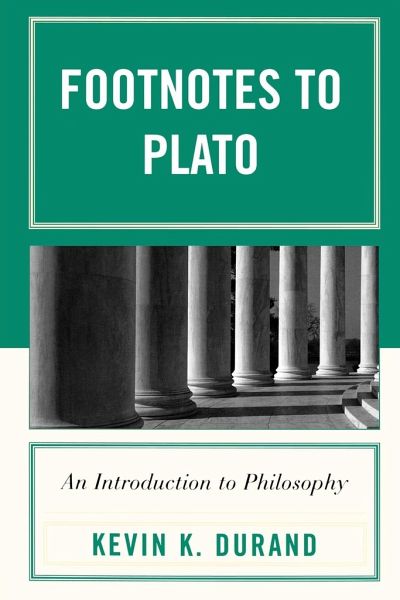
This book is a guide for beginning students of philosophy as they begin to systematically reflect upon philosophical matters. The author uses primary texts, commentaries, and guided readings to encourage students to enter into conversation with contemporary scholarship, great thinkers, and with peers to gain a deeper understanding of philosophy.
This book is a guide for beginning students of philosophy as they begin to systematically reflect upon philosophical matters. The author uses primary texts, commentaries, and guided readings to encourage students to enter into conversation with contemporary scholarship, great thinkers, and with peers to gain a deeper understanding of philosophy.
Kevin K. Durand is the dean of academics at the LISA Academy College Preparatory School in Little Rock, Arkansas. He has published broadly in philosophy, religion, and ethics.
Inhaltsangabe
Chapter 1 Preface Chapter 2 Introduction Chapter 3 Chapter 1 - Ancient Philosophy Part 4 Section 1: Heraclitus - Fragments Part 5 Section 2.1: The Search for the Historical Socrates Part 6 Section 2.2: Trial Trilogy, Part I - Euthyphro Part 7 Section 2.3: Trial Trilogy, Part 2 - Apology Part 8 Section 2.4: Trial Trilogy, Part 3 - Crito Part 9 Section 3.1: Plato and the Virtue of Socrates Part 10 Section 3.2: Socrates, Philosophy's Martyr Part 11 Section 3.3: Plato and Justice Part 12 Section 4.1: Reading Aristotle Part 13 Section 4.2: Aristotle - Categories Part 14 Section 4.3: Aristotle and the Highest Good Part 15 Section 4.4: Aristotle and the Human Function Part 16 Section 4.5: Aristotle and Virtue Chapter 17 Chapter 2 - Medieval Philosophy Part 18 Section 5: The Advent of Medieval Philosophy Part 19 Section 6.1: Reading St. Augustine Part 20 Section 6.2: St. Augustine, Doctor of the Church Part 21 Section 7: Boethius, Medieval Metaphysician Part 22 Section 8.1: Reading St. Anselm Part 23 Section 8.2: St. Anselm and the Ontological Argument Part 24 Section 9.1: Reading St. Thomas of Aquinas Part 25 Section 9.2: St. Thomas, Doctor of the Church Part 26 Section 10: William of Ockham: Ockham's Razor Chapter 27 Chapter 3 - Modern Philosophy Part 28 Section 11: The Birth of the Modern Era Part 29 Section 12.1: Descartes and the Method of Doubt Part 30 Section 12.2: Descartes and the Nature of the Mind Part 31 Section 12.3: Descartes and the Existence of God Part 32 Section 12.4: Descartes and Theory of Truth Part 33 Section 12.5: Descartes, Father of Modern Philosophy Part 34 Section 13.1: Reading David Hume Part 35 Section 13.2: Hume and the Origin of Ideas Part 36 Section 13.3: Hume and the Association of Ideas Part 37 Section 13.4: Hume and Substance Part 38 Section 13.5: Hume and Causation Part 39 Section 13.6: Hume and Religion Part 40 Section 14.1: Reading Immanuel Kant Part 41 Section 14.2: Kant and the Good Will Part 42 Section 14.3: Kant and the Metaphysics of Morals Part 43 Section 14.4: Kant and the Categorical Imperative Part 44 Section 15: Mary Wollstonecraft, Forgotten Philosopher Chapter 45 Chapter 4 - Middle/Late Modern Philosophy Part 46 Section 16: The Fragmentation of Philosophy Part 47 Section 17.1: Reading John Stuart Mill Part 48 Section 17.2: Mill and the Principle of Utility Part 49 Section 17.3: Mill and The Subjection of Women Part 50 Section 17.4: Mill and the Benefits of Liberty Part 51 Section 18.1: Reading Karl Marx Part 52 Section 18.2: Marx and the Philosophy of History
Chapter 1 Preface Chapter 2 Introduction Chapter 3 Chapter 1 - Ancient Philosophy Part 4 Section 1: Heraclitus - Fragments Part 5 Section 2.1: The Search for the Historical Socrates Part 6 Section 2.2: Trial Trilogy, Part I - Euthyphro Part 7 Section 2.3: Trial Trilogy, Part 2 - Apology Part 8 Section 2.4: Trial Trilogy, Part 3 - Crito Part 9 Section 3.1: Plato and the Virtue of Socrates Part 10 Section 3.2: Socrates, Philosophy's Martyr Part 11 Section 3.3: Plato and Justice Part 12 Section 4.1: Reading Aristotle Part 13 Section 4.2: Aristotle - Categories Part 14 Section 4.3: Aristotle and the Highest Good Part 15 Section 4.4: Aristotle and the Human Function Part 16 Section 4.5: Aristotle and Virtue Chapter 17 Chapter 2 - Medieval Philosophy Part 18 Section 5: The Advent of Medieval Philosophy Part 19 Section 6.1: Reading St. Augustine Part 20 Section 6.2: St. Augustine, Doctor of the Church Part 21 Section 7: Boethius, Medieval Metaphysician Part 22 Section 8.1: Reading St. Anselm Part 23 Section 8.2: St. Anselm and the Ontological Argument Part 24 Section 9.1: Reading St. Thomas of Aquinas Part 25 Section 9.2: St. Thomas, Doctor of the Church Part 26 Section 10: William of Ockham: Ockham's Razor Chapter 27 Chapter 3 - Modern Philosophy Part 28 Section 11: The Birth of the Modern Era Part 29 Section 12.1: Descartes and the Method of Doubt Part 30 Section 12.2: Descartes and the Nature of the Mind Part 31 Section 12.3: Descartes and the Existence of God Part 32 Section 12.4: Descartes and Theory of Truth Part 33 Section 12.5: Descartes, Father of Modern Philosophy Part 34 Section 13.1: Reading David Hume Part 35 Section 13.2: Hume and the Origin of Ideas Part 36 Section 13.3: Hume and the Association of Ideas Part 37 Section 13.4: Hume and Substance Part 38 Section 13.5: Hume and Causation Part 39 Section 13.6: Hume and Religion Part 40 Section 14.1: Reading Immanuel Kant Part 41 Section 14.2: Kant and the Good Will Part 42 Section 14.3: Kant and the Metaphysics of Morals Part 43 Section 14.4: Kant and the Categorical Imperative Part 44 Section 15: Mary Wollstonecraft, Forgotten Philosopher Chapter 45 Chapter 4 - Middle/Late Modern Philosophy Part 46 Section 16: The Fragmentation of Philosophy Part 47 Section 17.1: Reading John Stuart Mill Part 48 Section 17.2: Mill and the Principle of Utility Part 49 Section 17.3: Mill and The Subjection of Women Part 50 Section 17.4: Mill and the Benefits of Liberty Part 51 Section 18.1: Reading Karl Marx Part 52 Section 18.2: Marx and the Philosophy of History
Es gelten unsere Allgemeinen Geschäftsbedingungen: www.buecher.de/agb
Impressum
www.buecher.de ist ein Internetauftritt der buecher.de internetstores GmbH
Geschäftsführung: Monica Sawhney | Roland Kölbl | Günter Hilger
Sitz der Gesellschaft: Batheyer Straße 115 - 117, 58099 Hagen
Postanschrift: Bürgermeister-Wegele-Str. 12, 86167 Augsburg
Amtsgericht Hagen HRB 13257
Steuernummer: 321/5800/1497
USt-IdNr: DE450055826