22,99 €
inkl. MwSt.
Versandkostenfrei*
Versandfertig in über 4 Wochen
payback
11 °P sammeln
  • Gebundenes Buch

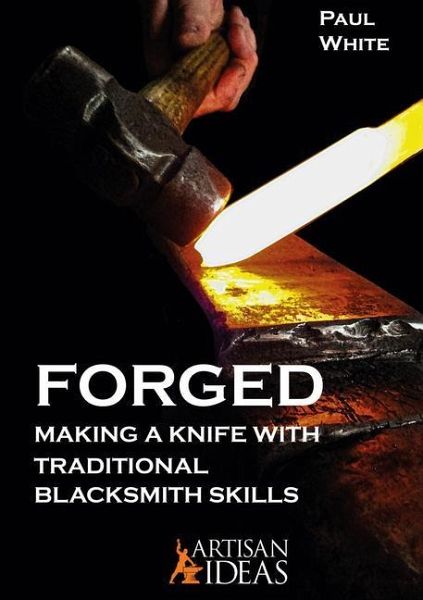
Forged: Making a Knife with Traditional Blacksmith Skills by Paul White is a beautifully illustrated, straightforward manual that teaches readers how to forge a complete, functional knife using the same time-tested methods once practised by traditional blacksmiths. Across 132 pages and more than 150 colour photographs and drawings, White explains each stage of the process-from steel selection and forging the blade to shaping, heat treating, riveting, and sharpening-using only hand tools. The book's centrepiece project, a frontier-style utility knife, serves as a model through which readers…mehr

Produktbeschreibung
Forged: Making a Knife with Traditional Blacksmith Skills by Paul White is a beautifully illustrated, straightforward manual that teaches readers how to forge a complete, functional knife using the same time-tested methods once practised by traditional blacksmiths. Across 132 pages and more than 150 colour photographs and drawings, White explains each stage of the process-from steel selection and forging the blade to shaping, heat treating, riveting, and sharpening-using only hand tools. The book's centrepiece project, a frontier-style utility knife, serves as a model through which readers learn essential forging techniques, heat control, and fit-and-finish craftsmanship. Written in a conversational and encouraging tone, Forged is filled with "Tips," "Notes," and "Blacksmith Secrets" boxes that provide extra insight into real-world workshop practice. White's emphasis on low-technology, affordable tools makes the book especially appealing for new bladesmiths, hobbyists, and teachers of traditional craft. Reviewers across the international blacksmithing community have praised Forged for its clarity, depth, and authenticity. Publications such as The Anvil's Ring, Knives Illustrated, California Blacksmith, and The Hammer's Blow describe it as an indispensable beginner's guide, noting its effective presentation of core techniques like heat treatment, annealing, normalising, hardening, and edge quenching. Paul White-a practising blacksmith with over forty-five years of experience-writes not only as a craftsman but as a teacher preserving a vanishing tradition. His goal is to help readers honour the heritage of the forge while developing their own skill and confidence. Printed in hardcover (132 pages, 24 × 17 cm) and richly illustrated in colour, Forged is both a practical workshop guide and a tribute to the timeless craft of hand-forged knives.
Autorenporträt
Paul White has been a blacksmith for over forty years. The smith who taught Paul to make his frontier style blade was Gus Marie of Brownsville, Illinois. Gus simply called his blade a work knife and so does Paul. The knife industry romanticizes this blade style by calling it a "Frontier" or "Bush Knife". Gus was the last of an unbroken chain of blacksmiths, originally from France, who came to the Colonies before the American Revolution. Paul's other early mentors were Evan Cooper, an original cowboy from Utah that shod his own horses, made his own knives and branding irons, and repaired his own wagons; a real "throwback" kind of guy. The Deal brothers, Jim and Ben, both blacksmiths of Murphysboro Illinois, trained as rural smiths at Tuskegee College after the first Great War. They allowed Paul to "hang around their shop" helping out. Paul was also proud to have worked with Daryl Meier and Brent Kington of Southern Illinois University. Both men ushered in this modern era of blacksmithing and pattern-welded steel that we all enjoy. They too were an early and significant influence on Paul's traditional training and approach to blacksmithing. Paul has treasured his friendships with these "old" smiths as much as the lessons they taught. Relocating to Northern Illinois in 1978 Paul was instrumental in establishing, equipping, teaching and demonstrating at the smith shop at Midway Village Museum in Rockford, Illinois. For many years he taught classes in general blacksmithing, Colonial hardware and, of course, knife making. He now limits his teaching to individual smiths seeking that traditional approach to blacksmithing passed-on to him from those legendary smiths of the last century. He has learned what works and what doesn't in teaching others to build a knife. He has captured those old-time secrets in this book and wants to see other smiths enjoy traditional blacksmithing as much as he does. Paul is an old-time guy, teaching an old-time skill to make an old-time tool.