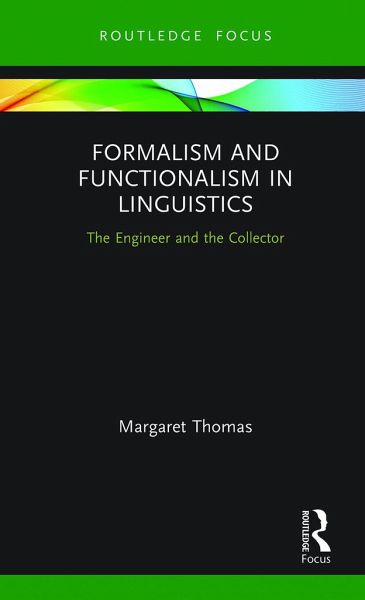
This volume is a concise introduction to the lively ongoing debate between formalist and functionalist approaches to the study of language. The book grounds its comparisons between the two in both historical and contemporary contexts where, broadly speaking, formalists' focus on structural relationships and idealized linguistic data contrasts with functionalists' commitment to analyzing real language used as a communicative tool. The book highlights key sub-varieties, proponents, and critiques of each respective approach. It concludes by comparing formalist versus functionalist contributions…mehr
This volume is a concise introduction to the lively ongoing debate between formalist and functionalist approaches to the study of language. The book grounds its comparisons between the two in both historical and contemporary contexts where, broadly speaking, formalists' focus on structural relationships and idealized linguistic data contrasts with functionalists' commitment to analyzing real language used as a communicative tool. The book highlights key sub-varieties, proponents, and critiques of each respective approach. It concludes by comparing formalist versus functionalist contributions in three domains of linguistic research: in the analysis of specific grammatical constructions; in the study of language acquisition; and in interdisciplinary research on the origins of language. Taken together, the volume opens insight into an important tension in linguistic theory, and provides students and scholars with a more nuanced understanding of the structure of the discipline ofmodern linguistics.
Margaret Thomas is Professor of Linguistics in the Department of Slavic and Eastern Languages and Literatures at Boston College, USA.
Inhaltsangabe
Table of Contents
Acknowledgements
Introduction
Chapter 1 Defining 'Formalism' and 'Functionalism'
1.1 Starting Out
1.2 Defining the Terms
1.3 The Engineer and the Collector
1.4 Two Examples
1.5 On the Architecture of Formalism Versus Functionalism
References
Chapter 2 Background to the Current Debate
2.1 Is There a Starting Point?
2.2 Before the Twentieth Century
2.3 Twentieth-Century Formalist Linguistics to 1950
2.4 Twentieth-Century Functionalism from the Prague Circle to Pike
2.5 Why the Background Matters
References
Chapter 3 Contemporary Formalist Linguistics
3.1 The Internal Structure of Modern Formalism
3.2 What Makes Modern Formalism Formalist?
3.2.1 Early Transformational Grammar
3.2.2 Principles and Parameters
3.2.3 The Minimalist Program
3.2.4 The Common Formalist Character of Generative Grammar
3.3 Diversity Within Contemporary Formalism
References
Chapter 4 Contemporary Functionalist Linguistics
4.1 The Internal Structure of Modern Functionalism
4.2 The Scope of Modern of Functionalism
4.2.1 Systemic Functional Linguistics
4.2.2 Langacker's Cognitive Grammar
4.2.3 Talmy Givón
4.3 Taxonomies of Modern Functionalist Linguistics
4.4 Graphic Style in Modern Formalism and Functionalism
References
Chapter 5 Formalism and Functionalism in Action
5.1 Applying Formalism and Functionalism
5.2 In the Analysis of Syntactic Phenomena
5.2.1 Word Order
5.2.2 Transitivity
5.3 In Conceptualization and Study of Child Language Learning
5.4 In Debate About the Origin of Human Language
5.5 Gaps, Overlap, and Combat Between Formalism and Functionalism
References
Chapter 6 Formalism and Functionalism Juxtaposed
6.1 Formalism and Functionalism in Silhouette
6.2 Face to Face
6.2.1 In Conversation
6.2.2 How Formal Is Functionalism?
6.2.3 How Functionalist Is Formalism?
6.3 Side by Side
6.3.1 Explanation
6.3.2 (Non)complementarity
6.4 Back to Back
References
Chapter 7 Conclusion
7.1 Engineers and Collectors, Revisited
7.2 Portrait of a Linguistic Mindset
7.3 Formalism and Functionalism Face the World Online
References
Appendix Characteristics of Formalism Versus Functionalism
Index
Table of Contents Acknowledgements Introduction Chapter 1 Defining 'Formalism' and 'Functionalism' 1.1 Starting Out 1.2 Defining the Terms 1.3 The Engineer and the Collector 1.4 Two Examples 1.5 On the Architecture of Formalism Versus Functionalism References Chapter 2 Background to the Current Debate 2.1 Is There a Starting Point? 2.2 Before the Twentieth Century 2.3 Twentieth-Century Formalist Linguistics to 1950 2.4 Twentieth-Century Functionalism from the Prague Circle to Pike 2.5 Why the Background Matters References Chapter 3 Contemporary Formalist Linguistics 3.1 The Internal Structure of Modern Formalism 3.2 What Makes Modern Formalism Formalist? 3.2.1 Early Transformational Grammar 3.2.2 Principles and Parameters 3.2.3 The Minimalist Program 3.2.4 The Common Formalist Character of Generative Grammar 3.3 Diversity Within Contemporary Formalism References Chapter 4 Contemporary Functionalist Linguistics 4.1 The Internal Structure of Modern Functionalism 4.2 The Scope of Modern of Functionalism 4.2.1 Systemic Functional Linguistics 4.2.2 Langacker's Cognitive Grammar 4.2.3 Talmy Givón 4.3 Taxonomies of Modern Functionalist Linguistics 4.4 Graphic Style in Modern Formalism and Functionalism References Chapter 5 Formalism and Functionalism in Action 5.1 Applying Formalism and Functionalism 5.2 In the Analysis of Syntactic Phenomena 5.2.1 Word Order 5.2.2 Transitivity 5.3 In Conceptualization and Study of Child Language Learning 5.4 In Debate About the Origin of Human Language 5.5 Gaps, Overlap, and Combat Between Formalism and Functionalism References Chapter 6 Formalism and Functionalism Juxtaposed 6.1 Formalism and Functionalism in Silhouette 6.2 Face to Face 6.2.1 In Conversation 6.2.2 How Formal Is Functionalism? 6.2.3 How Functionalist Is Formalism? 6.3 Side by Side 6.3.1 Explanation 6.3.2 (Non)complementarity 6.4 Back to Back References Chapter 7 Conclusion 7.1 Engineers and Collectors, Revisited 7.2 Portrait of a Linguistic Mindset 7.3 Formalism and Functionalism Face the World Online References Appendix Characteristics of Formalism Versus Functionalism Index
Chapter 1 Defining 'Formalism' and 'Functionalism'
1.1 Starting Out
1.2 Defining the Terms
1.3 The Engineer and the Collector
1.4 Two Examples
1.5 On the Architecture of Formalism Versus Functionalism
References
Chapter 2 Background to the Current Debate
2.1 Is There a Starting Point?
2.2 Before the Twentieth Century
2.3 Twentieth-Century Formalist Linguistics to 1950
2.4 Twentieth-Century Functionalism from the Prague Circle to Pike
2.5 Why the Background Matters
References
Chapter 3 Contemporary Formalist Linguistics
3.1 The Internal Structure of Modern Formalism
3.2 What Makes Modern Formalism Formalist?
3.2.1 Early Transformational Grammar
3.2.2 Principles and Parameters
3.2.3 The Minimalist Program
3.2.4 The Common Formalist Character of Generative Grammar
3.3 Diversity Within Contemporary Formalism
References
Chapter 4 Contemporary Functionalist Linguistics
4.1 The Internal Structure of Modern Functionalism
4.2 The Scope of Modern of Functionalism
4.2.1 Systemic Functional Linguistics
4.2.2 Langacker's Cognitive Grammar
4.2.3 Talmy Givón
4.3 Taxonomies of Modern Functionalist Linguistics
4.4 Graphic Style in Modern Formalism and Functionalism
References
Chapter 5 Formalism and Functionalism in Action
5.1 Applying Formalism and Functionalism
5.2 In the Analysis of Syntactic Phenomena
5.2.1 Word Order
5.2.2 Transitivity
5.3 In Conceptualization and Study of Child Language Learning
5.4 In Debate About the Origin of Human Language
5.5 Gaps, Overlap, and Combat Between Formalism and Functionalism
References
Chapter 6 Formalism and Functionalism Juxtaposed
6.1 Formalism and Functionalism in Silhouette
6.2 Face to Face
6.2.1 In Conversation
6.2.2 How Formal Is Functionalism?
6.2.3 How Functionalist Is Formalism?
6.3 Side by Side
6.3.1 Explanation
6.3.2 (Non)complementarity
6.4 Back to Back
References
Chapter 7 Conclusion
7.1 Engineers and Collectors, Revisited
7.2 Portrait of a Linguistic Mindset
7.3 Formalism and Functionalism Face the World Online
References
Appendix Characteristics of Formalism Versus Functionalism
Index
Table of Contents Acknowledgements Introduction Chapter 1 Defining 'Formalism' and 'Functionalism' 1.1 Starting Out 1.2 Defining the Terms 1.3 The Engineer and the Collector 1.4 Two Examples 1.5 On the Architecture of Formalism Versus Functionalism References Chapter 2 Background to the Current Debate 2.1 Is There a Starting Point? 2.2 Before the Twentieth Century 2.3 Twentieth-Century Formalist Linguistics to 1950 2.4 Twentieth-Century Functionalism from the Prague Circle to Pike 2.5 Why the Background Matters References Chapter 3 Contemporary Formalist Linguistics 3.1 The Internal Structure of Modern Formalism 3.2 What Makes Modern Formalism Formalist? 3.2.1 Early Transformational Grammar 3.2.2 Principles and Parameters 3.2.3 The Minimalist Program 3.2.4 The Common Formalist Character of Generative Grammar 3.3 Diversity Within Contemporary Formalism References Chapter 4 Contemporary Functionalist Linguistics 4.1 The Internal Structure of Modern Functionalism 4.2 The Scope of Modern of Functionalism 4.2.1 Systemic Functional Linguistics 4.2.2 Langacker's Cognitive Grammar 4.2.3 Talmy Givón 4.3 Taxonomies of Modern Functionalist Linguistics 4.4 Graphic Style in Modern Formalism and Functionalism References Chapter 5 Formalism and Functionalism in Action 5.1 Applying Formalism and Functionalism 5.2 In the Analysis of Syntactic Phenomena 5.2.1 Word Order 5.2.2 Transitivity 5.3 In Conceptualization and Study of Child Language Learning 5.4 In Debate About the Origin of Human Language 5.5 Gaps, Overlap, and Combat Between Formalism and Functionalism References Chapter 6 Formalism and Functionalism Juxtaposed 6.1 Formalism and Functionalism in Silhouette 6.2 Face to Face 6.2.1 In Conversation 6.2.2 How Formal Is Functionalism? 6.2.3 How Functionalist Is Formalism? 6.3 Side by Side 6.3.1 Explanation 6.3.2 (Non)complementarity 6.4 Back to Back References Chapter 7 Conclusion 7.1 Engineers and Collectors, Revisited 7.2 Portrait of a Linguistic Mindset 7.3 Formalism and Functionalism Face the World Online References Appendix Characteristics of Formalism Versus Functionalism Index
Es gelten unsere Allgemeinen Geschäftsbedingungen: www.buecher.de/agb
Impressum
www.buecher.de ist ein Internetauftritt der buecher.de internetstores GmbH
Geschäftsführung: Monica Sawhney | Roland Kölbl | Günter Hilger
Sitz der Gesellschaft: Batheyer Straße 115 - 117, 58099 Hagen
Postanschrift: Bürgermeister-Wegele-Str. 12, 86167 Augsburg
Amtsgericht Hagen HRB 13257
Steuernummer: 321/5800/1497
USt-IdNr: DE450055826