98,99 €
inkl. MwSt.
Versandkostenfrei*Erscheint vorauss. Januar 2026
Melden Sie sich
hier
hier
für den Produktalarm an, um über die Verfügbarkeit des Produkts informiert zu werden.

49 °P sammeln
Andere Kunden interessierten sich auch für
 Media Addiction32,99 €
 INDIAN YOUTH AMIDST WEB SERIES WHIRLPOOL47,99 €
 LA JEUNESSE NDIENNE AU MILIEU DU TOURBILLON DES SÉRIES WEB46,99 €
 Weibo Addiction in China27,99 €
 Werbepsychologie, Brand Management, Neuromarketing & Trojanisches Marketing15,95 €
 Framing. Eine integrative Theorie der Massenkommunikation34,00 €
 A Logical Insured Routing Procedure for MANET27,99 €


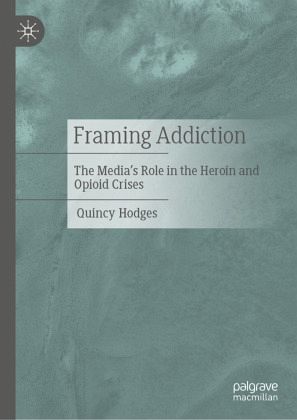
Framing Addiction uncovers how mainstream American media have shaped public understanding of drug epidemics through narratives deeply influenced by race, class, and power. Drawing on content and discourse analyses of six major newspapers, compares the heroin epidemic of the 1970s with the opioid crisis of the 21st century, exposing how Black and Latino communities were criminalized while White opioid users were portrayed as victims in need of care.
This timely and necessary work explores the human cost of biased journalism and the policy consequences of selective empathy. From Nixon s War on Drugs to today s calls for treatment and recovery, Framing Addiction traces how media narratives both reflect and reinforce inequality. Grounded in critical race theory, journalism studies, and public health discourse, this book offers a new framework for ethical, equitable reporting on addiction.
A vital resource for journalists, scholars, policymakers, and anyoneinterested in the intersections of media, race, and public health.
This timely and necessary work explores the human cost of biased journalism and the policy consequences of selective empathy. From Nixon s War on Drugs to today s calls for treatment and recovery, Framing Addiction traces how media narratives both reflect and reinforce inequality. Grounded in critical race theory, journalism studies, and public health discourse, this book offers a new framework for ethical, equitable reporting on addiction.
A vital resource for journalists, scholars, policymakers, and anyoneinterested in the intersections of media, race, and public health.