
Andere Kunden interessierten sich auch für
 Frederick the Great's Philosophical Writings27,99 €
 Oldest Allies17,99 €
 Journals Of The Sieges Undertaken By The Allies In Spain, In The Years 1811 And 181224,99 €
") Waterloo 1815 (1)23,99 €
Waterloo 1815 (1)23,99 € Narvik and the Allies36,99 €
 The March to Hougoumont25,99 €
 The Battle of Bussaco 27th September, 1810, Between Wellington's Anglo-Portuguese Army and the French Army Under Masséna19,99 €
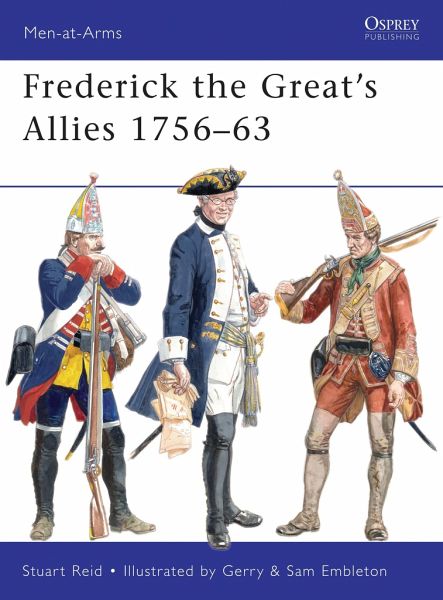
This book describes and illustrates the organization and uniforms of the Allied contingents during the Seven Years' War (1756-1763). At the outbreak of the war King George II's dual role as King of England and Elector of Hanover led to Britain creating and funding an alliance with Frederick's Prussia. This colorful multi-national arm of British, Brunswick, Hanoverian, and Hessian troops, with other smaller contingents, played an essential part by guarding Prussia's western front against French armies, and in the process the British contingent won some remarkable victories, such as the redcoats' legendary attack at Minden and Granby's cavalry triumph at Warburg. This disparate group of soldiers is brought to vivid life by the illustrations of Gerry and Sam Embleton and by the unrivalled detail of Stuart Reid's analysis.