
Andere Kunden interessierten sich auch für
 Tore Godal and the Evolution of Global Health57,99 €
 Conflict and Soldiers' Literature in Early Modern Europe50,99 €
 From Crash to Conflict35,99 €
 Conflict in Early Stuart England96,99 €
 The Conflict of Religions in the Early Roman Empire20,99 €
 The Great Civil War in Lancashire20,99 €
 London Souvenirs18,99 €




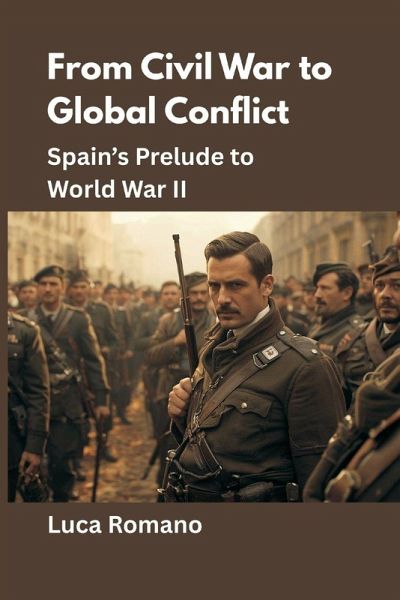
A republic fractures. Foreign bombers circle. Cabinets in distant capitals choose to watch-and teach aggressors exactly how far they can go. This book exposes the Spanish Civil War as the prelude to World War II, a live laboratory where dictators refined airpower, armour, and propaganda while the West rehearsed appeasement under the banner of non intervention. It is for readers who want more than story: analysts, students, and citizens who need a clear model for recognising the next rehearsal for catastrophe. - Understand how the Condor Legion turned towns like Guernica into proofs-of-concept for terror from the sky - See why International Brigades mattered most as narrative-and how narratives shape policy - Learn the logistics behind victory: radios, air war doctrine, fuel, bridges, and the unglamorous arithmetic of supply Grasp how "neutral" committees can tilt a battlefield, and how early appeasement wrote the timetable for aggression By the final page, you'll hold a practical lens for reading civil wars that attract outsiders: which signals-foreign airlifts, proxy deployments, doctrinal notes-mean escalation; when non-intervention is intervention by other means; and how to weigh the moral cost of delay. For anyone seeking lessons of proxy wars and the real early warning signs of war, this is rigorous, readable history with consequences for now.