
Andere Kunden interessierten sich auch für
 Central and East European Politics66,99 €
 Russia's Defensive Revisionism in the Baltic and Moldova. Bluff Charge or Prelude to the Storm?52,95 €
 Democratic Resilience in the Baltics, Vol. 139,99 €
 Democratic Resilience in the Baltics, Vol. 238,99 €
 Cross-Regional Ethnopolitics in Central and Eastern Europe128,39 €
 Cross-Regional Ethnopolitics in Central and Eastern Europe91,99 €
 Statelessness and 'right to have rights'. Importance of citizenship in protecting human rights of stateless communities27,95 €



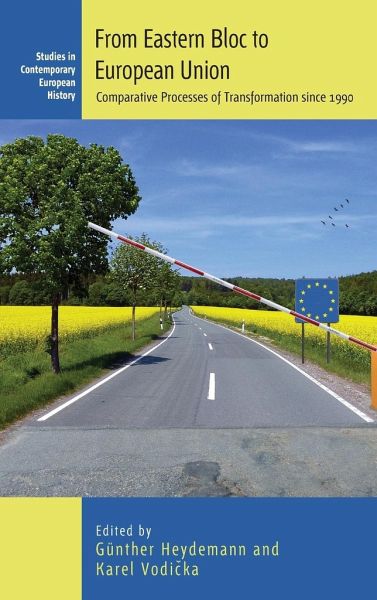
It is the only book worldwide that comparatively analyzes all the former Soviet bloc countries which today are EU members. As the analysis shows, all the former communist EU states, including East Germany, share common characteristics and similar ways of development. They differ considerably from established democratic-EU-countries one the one hand and from the post-communist non-EU-countries on the other. The post-communist societies show clearly various democratic deficits: general support for democracy and trust in institutions are lower than in mature democracies, whereas anti-democratic system alternatives are not decisively rejected. Civil society is immature, participation willingness of citizens is low and the corruption powerful. The ability of democratic parties to recruit members is weak, of which the extremist parties benefit. When compared with other transition countries, the post-communist EU countries are among the best. As the comparative studies illustrate, the process of accession to the EU and the EU membership contributed significantly to political and economic consolidation of the post-communist EU countries.