More than thirty years ago, section 35 of the Constitution Act recognized and affirmed “the existing aboriginal and treaty rights of the aboriginal peoples of Canada.” Hailed at the time as a watershed moment in the legal and political relationship between Indigenous peoples and settler societies in Canada, the constitutional entrenchment of Aboriginal and treaty rights has proven to be only the beginning of the long and complicated process of giving meaning to that constitutional recognition. In From Recognition to Reconciliation, twenty leading scholars reflect on the continuing…mehr
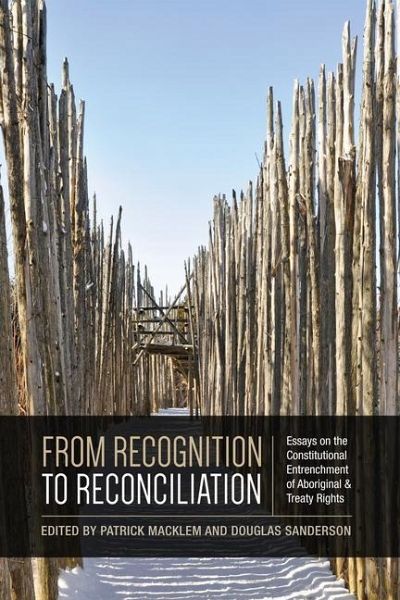
More than thirty years ago, section 35 of the Constitution Act recognized and affirmed “the existing aboriginal and treaty rights of the aboriginal peoples of Canada.” Hailed at the time as a watershed moment in the legal and political relationship between Indigenous peoples and settler societies in Canada, the constitutional entrenchment of Aboriginal and treaty rights has proven to be only the beginning of the long and complicated process of giving meaning to that constitutional recognition. In From Recognition to Reconciliation, twenty leading scholars reflect on the continuing transformation of the constitutional relationship between Indigenous peoples and the Canadian state. The book features essays on themes such as the role of sovereignty in constitutional jurisprudence, the diversity of methodologies at play in these legal and political questions, and connections between the Canadian constitutional experience and developments elsewhere in the world.
Patrick Macklem is the William C. Graham Professor of Law in the Faculty of Law at the University of Toronto. Douglas Sanderson is an associate professor in the Faculty of Law at the University of Toronto.
Inhaltsangabe
Introduction Patrick Macklem and Douglas Sanderson, Recognition and Reconciliation in Indigenous-Settler Societies
Part I: Reconciling Sovereignties 1. Patrick Macklem, Indigenous Peoples and the Ethos of Legal Pluralism in Canada 2. Mark D. Walters, “Looking for a knot in the bulrush”: Reflections on Law, Sovereignty and Aboriginal Rights 3. Jeremy Webber, We Are Still in the Age of Encounter: Section 35 and a Canada beyond Sovereignty 4. Brian Slattery, The Generative Structure of Aboriginal Rights
Part II: Contesting Methodologies 5. P.G. McHugh, A Common Law Biography of Section 35 6. Dale Turner, Indigenous Knowledge and the Reconciliation of Section 35(1) 7. Jean Leclair, Military Historiography, Warriors and Soldiers: The Normative Impact of Epistemological Choices
Part III: Constitutional Consultations 8. Dwight Newman, Consultation and Economic Reconciliation 9. Michael J. Bryant, The State of the Crown-Aboriginal Fiduciary Relationship: The Case for an Aboriginal Veto 10. Sari Graben & Abbey Sinclair, Administering Consultation at the National Energy Board: Evaluating Tribunal Authority
Part IV: Recognition and Reconciliation in Action 11. Sébastien Grammond, Isabelle Lantagne, & Natacha Gagné, Non-Status Indigenous Groups in Canadian Courts: Practical and Legal Difficulties in Seeking Recognition 12. Kirsty Gover, Liberal and Tribal Membership Boundaries: Descent, Consent and Section 35 13. Douglas Sanderson, Overlapping Consensus, Legislative Reform and the Indian Act 14. Courtney Jung, Canada and the Legacy of the Indian Residential Schools: Transitional Justice for Indigenous People in a Non-transitional Society 15. Natalia Loukacheva, Nunavut and Self-Reliance: A Quest of an Arctic Entity in Transition
Part V: Comparative Reflections 16. Jacinta Ruru, Constitutional Indigenous Treaty Jurisprudence in Aotearoa New Zealand 17. Megan Davis and Marcia Langton, Constitutional reform in Australia: Recognition of Indigenous Australians and Reconciliation 18. John Borrows, Legislation and Indigenous Self-Determination in Canada and the United States
Afterword Michael Ignatieff, A Jurisprudence of Jurisdictions
Introduction Patrick Macklem and Douglas Sanderson, Recognition and Reconciliation in Indigenous-Settler Societies
Part I: Reconciling Sovereignties 1. Patrick Macklem, Indigenous Peoples and the Ethos of Legal Pluralism in Canada 2. Mark D. Walters, “Looking for a knot in the bulrush”: Reflections on Law, Sovereignty and Aboriginal Rights 3. Jeremy Webber, We Are Still in the Age of Encounter: Section 35 and a Canada beyond Sovereignty 4. Brian Slattery, The Generative Structure of Aboriginal Rights
Part II: Contesting Methodologies 5. P.G. McHugh, A Common Law Biography of Section 35 6. Dale Turner, Indigenous Knowledge and the Reconciliation of Section 35(1) 7. Jean Leclair, Military Historiography, Warriors and Soldiers: The Normative Impact of Epistemological Choices
Part III: Constitutional Consultations 8. Dwight Newman, Consultation and Economic Reconciliation 9. Michael J. Bryant, The State of the Crown-Aboriginal Fiduciary Relationship: The Case for an Aboriginal Veto 10. Sari Graben & Abbey Sinclair, Administering Consultation at the National Energy Board: Evaluating Tribunal Authority
Part IV: Recognition and Reconciliation in Action 11. Sébastien Grammond, Isabelle Lantagne, & Natacha Gagné, Non-Status Indigenous Groups in Canadian Courts: Practical and Legal Difficulties in Seeking Recognition 12. Kirsty Gover, Liberal and Tribal Membership Boundaries: Descent, Consent and Section 35 13. Douglas Sanderson, Overlapping Consensus, Legislative Reform and the Indian Act 14. Courtney Jung, Canada and the Legacy of the Indian Residential Schools: Transitional Justice for Indigenous People in a Non-transitional Society 15. Natalia Loukacheva, Nunavut and Self-Reliance: A Quest of an Arctic Entity in Transition
Part V: Comparative Reflections 16. Jacinta Ruru, Constitutional Indigenous Treaty Jurisprudence in Aotearoa New Zealand 17. Megan Davis and Marcia Langton, Constitutional reform in Australia: Recognition of Indigenous Australians and Reconciliation 18. John Borrows, Legislation and Indigenous Self-Determination in Canada and the United States
Afterword Michael Ignatieff, A Jurisprudence of Jurisdictions
Es gelten unsere Allgemeinen Geschäftsbedingungen: www.buecher.de/agb
Impressum
www.buecher.de ist ein Internetauftritt der buecher.de internetstores GmbH
Geschäftsführung: Monica Sawhney | Roland Kölbl | Günter Hilger
Sitz der Gesellschaft: Batheyer Straße 115 - 117, 58099 Hagen
Postanschrift: Bürgermeister-Wegele-Str. 12, 86167 Augsburg
Amtsgericht Hagen HRB 13257
Steuernummer: 321/5800/1497
USt-IdNr: DE450055826