Roger C. Hartley
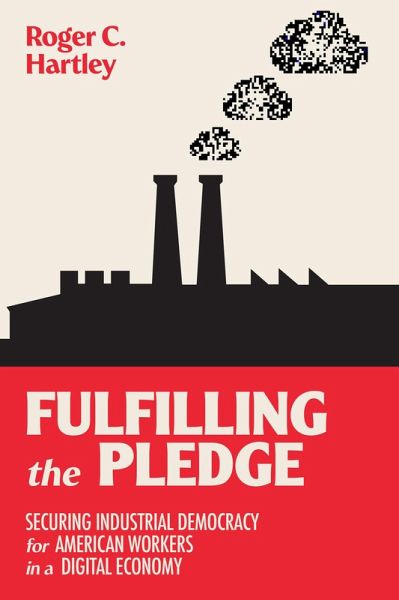
Fulfilling the Pledge
Securing Industrial Democracy for American Workers in a Digital Economy
Roger C. Hartley
Fulfilling the Pledge
Securing Industrial Democracy for American Workers in a Digital Economy
- Broschiertes Buch
- Merkliste
- Auf die Merkliste
- Bewerten Bewerten
- Teilen
- Produkt teilen
- Produkterinnerung
- Produkterinnerung
"A review of labor law exploring the decline of union power and demonstrating how collective bargaining can continue to support worker power and improve economic outcomes for workers and communities despite macro shifts in the US economy over the past 40 years"--
Andere Kunden interessierten sich auch für
Brishen RogersData and Democracy at Work49,99 €
Olivier BlanchardCombating Inequality28,99 €
David H. AutorThe Work of the Future15,99 €
Pierre Cahuc (CREST)Labor Economics118,99 €
Nicolas Petrosky-Nadeau (Federal Reserve Bank of Research AdvisorLabor, Credit, and Goods Markets86,99 €
Hamid R. Ekbia (Professor of Informatics, Cognitive Science, and InHeteromation, and Other Stories of Computing and Capitalism43,99 €
Ravin JesuthasanWork without Jobs14,99 €-
-
-
"A review of labor law exploring the decline of union power and demonstrating how collective bargaining can continue to support worker power and improve economic outcomes for workers and communities despite macro shifts in the US economy over the past 40 years"--
Produktdetails
- Produktdetails
- Verlag: MIT Press Ltd
- Seitenzahl: 306
- Erscheinungstermin: 13. Februar 2024
- Englisch
- Abmessung: 152mm x 229mm x 40mm
- Gewicht: 388g
- ISBN-13: 9780262547130
- ISBN-10: 0262547139
- Artikelnr.: 68887734
- Herstellerkennzeichnung
- Libri GmbH
- Europaallee 1
- 36244 Bad Hersfeld
- gpsr@libri.de
- Verlag: MIT Press Ltd
- Seitenzahl: 306
- Erscheinungstermin: 13. Februar 2024
- Englisch
- Abmessung: 152mm x 229mm x 40mm
- Gewicht: 388g
- ISBN-13: 9780262547130
- ISBN-10: 0262547139
- Artikelnr.: 68887734
- Herstellerkennzeichnung
- Libri GmbH
- Europaallee 1
- 36244 Bad Hersfeld
- gpsr@libri.de
Roger C. Hartley is Professor of Law at The Catholic University of America and an award-winning teacher of constitutional law and labor law. He is the author of four other books, including Monumental Harm: Reckoning with Jim Crow Era Confederate Monuments.
Contents
Preface ix
Introduction 1
I The Unsatisfied Demand for Union Representation and the Costs of
a Declining Union Movement
1 What Do Workers Want? 9
2 The “Representation Gap” and the Societal Costs of Low Union Density 21
3 Causes: The Revolt of the Bosses 49
II The Role of Contemporary Labor Relations Law in Creating Obstacles to
Workers’ Desire to Obtain Union Representation
4 The NLRA’s Restrictions on Coverage: Constricting Eligibility for Legal
Protection of the Right to Organize 63
5 Opportunities in the NLRA during the Representation Process for
Employer-Created Delay and Interference with Employee Free Choice 93
6 Opportunities in the NLRA for an Employer to Retaliate without Fear of
Significant Consequences 117
7 Opportunities in the NLRA for Employers to Indoctrinate Employees through
Work-
Time Captive Audience Meetings while Denying Unions Workplace Access
to Employees 129
III The Role of Contemporary Labor Relations Law in Creating Obstacles
to Employees’ Ability to Secure Favorable Collective Bargaining Terms
8 Opportunities in the NLRA for Employers to Deny Workers an Initial
Collective Bargaining Agreement 141
9 Opportunities in the NLRA Permitting Employers to Destabilize Existing
Bargaining Relationships 153
10 Opportunities in the NLRA Permitting Employers to Limit Workers’
Economic Actions 163
Epilogue: Searching for Solutions beyond the NLRA 179
Acknowledgments 189
Appendix: Protecting the Right to Organize Act of 2021
(H.R. 842)— Section-by-Section Analysis 191
Notes 203
Bibliography 273
Index 285
Preface ix
Introduction 1
I The Unsatisfied Demand for Union Representation and the Costs of
a Declining Union Movement
1 What Do Workers Want? 9
2 The “Representation Gap” and the Societal Costs of Low Union Density 21
3 Causes: The Revolt of the Bosses 49
II The Role of Contemporary Labor Relations Law in Creating Obstacles to
Workers’ Desire to Obtain Union Representation
4 The NLRA’s Restrictions on Coverage: Constricting Eligibility for Legal
Protection of the Right to Organize 63
5 Opportunities in the NLRA during the Representation Process for
Employer-Created Delay and Interference with Employee Free Choice 93
6 Opportunities in the NLRA for an Employer to Retaliate without Fear of
Significant Consequences 117
7 Opportunities in the NLRA for Employers to Indoctrinate Employees through
Work-
Time Captive Audience Meetings while Denying Unions Workplace Access
to Employees 129
III The Role of Contemporary Labor Relations Law in Creating Obstacles
to Employees’ Ability to Secure Favorable Collective Bargaining Terms
8 Opportunities in the NLRA for Employers to Deny Workers an Initial
Collective Bargaining Agreement 141
9 Opportunities in the NLRA Permitting Employers to Destabilize Existing
Bargaining Relationships 153
10 Opportunities in the NLRA Permitting Employers to Limit Workers’
Economic Actions 163
Epilogue: Searching for Solutions beyond the NLRA 179
Acknowledgments 189
Appendix: Protecting the Right to Organize Act of 2021
(H.R. 842)— Section-by-Section Analysis 191
Notes 203
Bibliography 273
Index 285
Contents
Preface ix
Introduction 1
I The Unsatisfied Demand for Union Representation and the Costs of
a Declining Union Movement
1 What Do Workers Want? 9
2 The “Representation Gap” and the Societal Costs of Low Union Density 21
3 Causes: The Revolt of the Bosses 49
II The Role of Contemporary Labor Relations Law in Creating Obstacles to
Workers’ Desire to Obtain Union Representation
4 The NLRA’s Restrictions on Coverage: Constricting Eligibility for Legal
Protection of the Right to Organize 63
5 Opportunities in the NLRA during the Representation Process for
Employer-Created Delay and Interference with Employee Free Choice 93
6 Opportunities in the NLRA for an Employer to Retaliate without Fear of
Significant Consequences 117
7 Opportunities in the NLRA for Employers to Indoctrinate Employees through
Work-
Time Captive Audience Meetings while Denying Unions Workplace Access
to Employees 129
III The Role of Contemporary Labor Relations Law in Creating Obstacles
to Employees’ Ability to Secure Favorable Collective Bargaining Terms
8 Opportunities in the NLRA for Employers to Deny Workers an Initial
Collective Bargaining Agreement 141
9 Opportunities in the NLRA Permitting Employers to Destabilize Existing
Bargaining Relationships 153
10 Opportunities in the NLRA Permitting Employers to Limit Workers’
Economic Actions 163
Epilogue: Searching for Solutions beyond the NLRA 179
Acknowledgments 189
Appendix: Protecting the Right to Organize Act of 2021
(H.R. 842)— Section-by-Section Analysis 191
Notes 203
Bibliography 273
Index 285
Preface ix
Introduction 1
I The Unsatisfied Demand for Union Representation and the Costs of
a Declining Union Movement
1 What Do Workers Want? 9
2 The “Representation Gap” and the Societal Costs of Low Union Density 21
3 Causes: The Revolt of the Bosses 49
II The Role of Contemporary Labor Relations Law in Creating Obstacles to
Workers’ Desire to Obtain Union Representation
4 The NLRA’s Restrictions on Coverage: Constricting Eligibility for Legal
Protection of the Right to Organize 63
5 Opportunities in the NLRA during the Representation Process for
Employer-Created Delay and Interference with Employee Free Choice 93
6 Opportunities in the NLRA for an Employer to Retaliate without Fear of
Significant Consequences 117
7 Opportunities in the NLRA for Employers to Indoctrinate Employees through
Work-
Time Captive Audience Meetings while Denying Unions Workplace Access
to Employees 129
III The Role of Contemporary Labor Relations Law in Creating Obstacles
to Employees’ Ability to Secure Favorable Collective Bargaining Terms
8 Opportunities in the NLRA for Employers to Deny Workers an Initial
Collective Bargaining Agreement 141
9 Opportunities in the NLRA Permitting Employers to Destabilize Existing
Bargaining Relationships 153
10 Opportunities in the NLRA Permitting Employers to Limit Workers’
Economic Actions 163
Epilogue: Searching for Solutions beyond the NLRA 179
Acknowledgments 189
Appendix: Protecting the Right to Organize Act of 2021
(H.R. 842)— Section-by-Section Analysis 191
Notes 203
Bibliography 273
Index 285