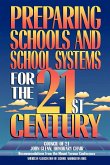
Irving H. Buchen projects the future of public education for the next 25 years as he identifies and examines the major drivers of change, profiles all the critical educational constituencies, and offers a number of common sense solutions to current and subsequent problems.
Irving H. Buchen projects the future of public education for the next 25 years as he identifies and examines the major drivers of change, profiles all the critical educational constituencies, and offers a number of common sense solutions to current and subsequent problems.
Irving H. Buchen is Associate Vice President of Academic Affairs and Director of International Programs for IMPAC University, a member of the doctoral business faculty of Capella University, a Senior Principal of Canis Learning Systems, and training editor of The Futurist, the official publication of the World Future Society.
Inhaltsangabe
Part 1 Preface Part 2 Part One: The Past, the Present, and the Future Chapter 3 1. The Record of the Past Chapter 4 2. The Laws of the Future Chapter 5 3. The System of Systems Part 6 Part Two: Teachers as Major Players Chapter 7 4. Hiring Teachers Chapter 8 5. The Teacher Culture Chapter 9 6. The Economics of Education 101 Chapter 10 7. Money and Teachers Chapter 11 8. Teachers and Technology Part 12 Part Three: Educational Administrators as Major Players Chapter 13 9. Leadership Expectations and Job Descriptions Chapter 14 10. Survival Skills for New Principals Chapter 15 11. Principals as Instructional Leaders Chapter 16 12. Models of Intergrative Leadership Chapter 17 13. The Principal as Plato Chapter 18 14. The Principal as CLO (Chief Learning Officer) Chapter 19 15. The Principal as Broker Chapter 20 16. The Principal as Outsourcer: Economically Driven School Reform Part 21 Part Four: Parents as Major Players Chapter 22 17. Parents and Educational Change Chapter 23 18. Teacher-Parent Partnerships Part 24 Part Five: Students as Major Players Chapter 25 19. Parents and School Reform Chapter 26 20. The Student-Centered Curriculum Part 27 Part Six: Introduction to the Major Drivers of Change Chapter 28 21. The Impact of the Global Economy on Education and Work Chapter 29 22. Competition and School Choice Chapter 30 23. Accountable Accountability: Curing the Cure Chapter 31 24. Research-Based Learning Chapter 32 25. Optimizing Curricula Chapter 33 26. Turnaround: What Education Has to Offer Business Chapter 34 27. Accountability and Role Change: Persuading Lone Rangers to Be Team Players Chapter 35 28. The World Citizen: Facilitating a Future Global Identity for Students Part 36 Part Seven: Teacher Scenarios Chapter 37 29. A Major Change Takes Hold Chapter 38 30. "Who Is in Charge?" Chapter 39 31. The Teacher Leadership Collaborative: A Structural Scenario Chapter 40 32. TMs (Technology Managers) Chapter 41 33. The Future May Be in the Past: Creating a Universal Curriculum Part 42 Part Eight: Administrator Scenarios Chapter 43 34. The Principal and Strategic Conversations Chapter 44 35. The MBA Principal Chapter 45 36. Principals as Futurists Part 46 Part Nine: Parent Scenarios Chapter 47 37. The Coffee Network Chapter 48 38. The Educational Planning Network Chapter 49 39. Electronic Partnerships Part 50 Part Ten: Student Scenarios Chapter 51 40. Tiny Tot Independent Learning Chapter 52 41. K-16 Chapter 53 42. Small Is Better Part 54 Part Eleven: Solution Summaries Chapter 55 43. Open-Ended Conclusions Part 56 References Part 57 About the Author
Part 1 Preface Part 2 Part One: The Past, the Present, and the Future Chapter 3 1. The Record of the Past Chapter 4 2. The Laws of the Future Chapter 5 3. The System of Systems Part 6 Part Two: Teachers as Major Players Chapter 7 4. Hiring Teachers Chapter 8 5. The Teacher Culture Chapter 9 6. The Economics of Education 101 Chapter 10 7. Money and Teachers Chapter 11 8. Teachers and Technology Part 12 Part Three: Educational Administrators as Major Players Chapter 13 9. Leadership Expectations and Job Descriptions Chapter 14 10. Survival Skills for New Principals Chapter 15 11. Principals as Instructional Leaders Chapter 16 12. Models of Intergrative Leadership Chapter 17 13. The Principal as Plato Chapter 18 14. The Principal as CLO (Chief Learning Officer) Chapter 19 15. The Principal as Broker Chapter 20 16. The Principal as Outsourcer: Economically Driven School Reform Part 21 Part Four: Parents as Major Players Chapter 22 17. Parents and Educational Change Chapter 23 18. Teacher-Parent Partnerships Part 24 Part Five: Students as Major Players Chapter 25 19. Parents and School Reform Chapter 26 20. The Student-Centered Curriculum Part 27 Part Six: Introduction to the Major Drivers of Change Chapter 28 21. The Impact of the Global Economy on Education and Work Chapter 29 22. Competition and School Choice Chapter 30 23. Accountable Accountability: Curing the Cure Chapter 31 24. Research-Based Learning Chapter 32 25. Optimizing Curricula Chapter 33 26. Turnaround: What Education Has to Offer Business Chapter 34 27. Accountability and Role Change: Persuading Lone Rangers to Be Team Players Chapter 35 28. The World Citizen: Facilitating a Future Global Identity for Students Part 36 Part Seven: Teacher Scenarios Chapter 37 29. A Major Change Takes Hold Chapter 38 30. "Who Is in Charge?" Chapter 39 31. The Teacher Leadership Collaborative: A Structural Scenario Chapter 40 32. TMs (Technology Managers) Chapter 41 33. The Future May Be in the Past: Creating a Universal Curriculum Part 42 Part Eight: Administrator Scenarios Chapter 43 34. The Principal and Strategic Conversations Chapter 44 35. The MBA Principal Chapter 45 36. Principals as Futurists Part 46 Part Nine: Parent Scenarios Chapter 47 37. The Coffee Network Chapter 48 38. The Educational Planning Network Chapter 49 39. Electronic Partnerships Part 50 Part Ten: Student Scenarios Chapter 51 40. Tiny Tot Independent Learning Chapter 52 41. K-16 Chapter 53 42. Small Is Better Part 54 Part Eleven: Solution Summaries Chapter 55 43. Open-Ended Conclusions Part 56 References Part 57 About the Author
Es gelten unsere Allgemeinen Geschäftsbedingungen: www.buecher.de/agb
Impressum
www.buecher.de ist ein Internetauftritt der buecher.de internetstores GmbH
Geschäftsführung: Monica Sawhney | Roland Kölbl | Günter Hilger
Sitz der Gesellschaft: Batheyer Straße 115 - 117, 58099 Hagen
Postanschrift: Bürgermeister-Wegele-Str. 12, 86167 Augsburg
Amtsgericht Hagen HRB 13257
Steuernummer: 321/5800/1497
USt-IdNr: DE450055826