
Table of contents:
Preface List of illustrations Part 1: Rationalities 1. Cities and Military Operations 1.1 Urban Operations
1.1.1 Cities Deserve Special Attention 1.1.2 Urban Operations Are Distinctive 1.1.3 Cities Are Not Neutral Environments 1.2 The Operational Environment 1.2.1 Urbanisation and Demography 1.2.2 Globalisation
1.2.3 Multiple Contingencies 1.3 Future Conflict 1.4 Expanding Understanding 1.5 Key Assumptions
1.6 Structure of Analysis 2. Thinking About Urban Operations 2.1 Doctrine 2.1.1 American and British Developments 2.1.2 Current US Approach 2.1.3 UK Doctrinal Development 2.1.4 Future UK Doctrinal Development 2.1.5 Differing National Emphases: Australia, Canada, France, Germany, Russia, Singapore, China 2.2 Characteristic Approaches to Urban Operations 3. Technology and War 3.1 The Lure of Technology 3.1.1 The Role of Technology 3.1.2 Balancing Old and New Technology 3.2 Airpower 3.2.1 Using Airpower
3.2.2 Limitations of Airpower 3.2.3 Typical Uses of Air Assets 3.3 Multinational Urban Operations 3.4 Technology's Supporting Role Part 2: Wasteland 4. Policing 4.1 Categorising Operations 4.2 Environmental Challenges 4.3 The Military Task 4.3.1 Relevant Experience 4.3.2 Counterterrorism in Northern Ireland 4.3.3 Special Training 4.3.4 Lessons Learned 4.3.5 Limits of Policing 4.3.6 Peacekeeping in the Balkans 4.3.7 Policing the Balkans 4.4 The Limits of Policing 4.4.1 Battle of Algiers 4.5 Unanswered Questions 5. Enforcement 5.1 Unpredictable Operations 5.1.1 Mogadishu 1993 5.1.2 Relearning Lessons 5.1.3 Baidoa 5.1.4 Back to the Future 5.1.5 Low-profile Stabilisation 5.2 Tactical Skills 5.2.1 Asymmetry 5.2.2 Multiple Missions 5.2.3 Tactical Values 6. Warfighting 6.1 Urban War 6.1.1 Warfighting 6.1.2 Dominant Historical Trends 6.2 Transitional Wars 6.2.1 Significant Trends 6.3 Grozny 6.3.1 Familiar Lessons 6.3.2 Lessons Reaffirmed 6.3.3 Warfighting Laboratory 6.4 Enduring Features 6.5 Low-level Shooting Wars 6.6 Continuity in War Part 3: Reconstruction 7. The Evolution of War 7.1 Defining Security Conflict and Development 7.1.1 Civil Society 7.2 Expanding Operations 7.2.1 Civil Society's Limitations 7.2.2 Civil Society During Conflict: Mogadishu, Grozny, Singapore 7.2.3 Civil Society and Low-level Operations 7.3 Making War and Peace 7.3.1 A New Balance 8. Controlling Non-Combatants 8.1 Controlling Cities 8.2 Targeting Civilians 8.2.1 Defining Control 8.3 Control Variables 8.3.1 Non-lethal Weapons 8.4 Control and Infrastructure War 9. The Intractable Nature of Urban Operations 9.1 Analytical Challenges 9.1.1 A Wider Perspective 9.1.2 Strategic Challenges 9.2 Moral Challenges 9.3 Controversy Over Weapons 9.3.1 Flame and Novel Explosives 9.3.2 Searching for Alternatives
9.4 Reconciling the Irreconcilable 10. The Logic of Urban Operations 10.1 An Urban Operations Hypothesis 10.2 Rebalancing Tactics and Strategy 10.2.1 A Contextual Understanding 10.3 Future Operations
10.3.1 Factors Affecting Future Operations: Technology, Training 10.3.2 Balancing Variables 10.4 Conclusions Afterword Abbreviations and Glossary Appendix: Literature sources Select Bibliography
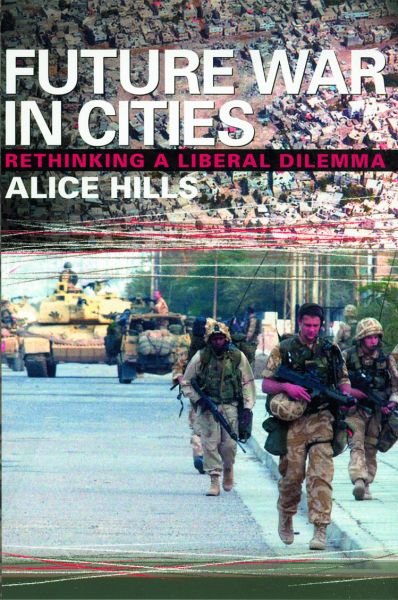
This book is the first full-length study of a key security issue confronting the west in the twenty-first century, urban military operations - as currently being undertaken by US and UK forces in Iraq. It relates military operations in cities to the wider study of conflict and security in an era of urbanisation, expeditionary warfare and new power conflicts; its central process is urban operations, but its context is the changing security environment, whose features are revealed in conflicts within cities.
Within a framework analysing conventional operations, the author identifies the contextual factors that affect operations in urban environments. She advances an explanation as to why questions of theoretical understanding and policy response are as important as tactical concerns, and why cities will represent a politically significant area in the future. In doing so, Alice Hills demonstrates that urban operations present a unique set of political and moral challenges to both policy-makers and military commanders. ‘Future War in Cities’ offers a rethinking of the liberal dilemma associated with the use of force across the spectrum of conflict, from terrorist attacks to major conventional operations.
This book is the first full-length study of a key security issue confronting the West in the 21st century: urban military operations, as undertaken by US and UK forces in Iraq. It relates operations in cities to the wider study of conflict and
Preface List of illustrations Part 1: Rationalities 1. Cities and Military Operations 1.1 Urban Operations
1.1.1 Cities Deserve Special Attention 1.1.2 Urban Operations Are Distinctive 1.1.3 Cities Are Not Neutral Environments 1.2 The Operational Environment 1.2.1 Urbanisation and Demography 1.2.2 Globalisation
1.2.3 Multiple Contingencies 1.3 Future Conflict 1.4 Expanding Understanding 1.5 Key Assumptions
1.6 Structure of Analysis 2. Thinking About Urban Operations 2.1 Doctrine 2.1.1 American and British Developments 2.1.2 Current US Approach 2.1.3 UK Doctrinal Development 2.1.4 Future UK Doctrinal Development 2.1.5 Differing National Emphases: Australia, Canada, France, Germany, Russia, Singapore, China 2.2 Characteristic Approaches to Urban Operations 3. Technology and War 3.1 The Lure of Technology 3.1.1 The Role of Technology 3.1.2 Balancing Old and New Technology 3.2 Airpower 3.2.1 Using Airpower
3.2.2 Limitations of Airpower 3.2.3 Typical Uses of Air Assets 3.3 Multinational Urban Operations 3.4 Technology's Supporting Role Part 2: Wasteland 4. Policing 4.1 Categorising Operations 4.2 Environmental Challenges 4.3 The Military Task 4.3.1 Relevant Experience 4.3.2 Counterterrorism in Northern Ireland 4.3.3 Special Training 4.3.4 Lessons Learned 4.3.5 Limits of Policing 4.3.6 Peacekeeping in the Balkans 4.3.7 Policing the Balkans 4.4 The Limits of Policing 4.4.1 Battle of Algiers 4.5 Unanswered Questions 5. Enforcement 5.1 Unpredictable Operations 5.1.1 Mogadishu 1993 5.1.2 Relearning Lessons 5.1.3 Baidoa 5.1.4 Back to the Future 5.1.5 Low-profile Stabilisation 5.2 Tactical Skills 5.2.1 Asymmetry 5.2.2 Multiple Missions 5.2.3 Tactical Values 6. Warfighting 6.1 Urban War 6.1.1 Warfighting 6.1.2 Dominant Historical Trends 6.2 Transitional Wars 6.2.1 Significant Trends 6.3 Grozny 6.3.1 Familiar Lessons 6.3.2 Lessons Reaffirmed 6.3.3 Warfighting Laboratory 6.4 Enduring Features 6.5 Low-level Shooting Wars 6.6 Continuity in War Part 3: Reconstruction 7. The Evolution of War 7.1 Defining Security Conflict and Development 7.1.1 Civil Society 7.2 Expanding Operations 7.2.1 Civil Society's Limitations 7.2.2 Civil Society During Conflict: Mogadishu, Grozny, Singapore 7.2.3 Civil Society and Low-level Operations 7.3 Making War and Peace 7.3.1 A New Balance 8. Controlling Non-Combatants 8.1 Controlling Cities 8.2 Targeting Civilians 8.2.1 Defining Control 8.3 Control Variables 8.3.1 Non-lethal Weapons 8.4 Control and Infrastructure War 9. The Intractable Nature of Urban Operations 9.1 Analytical Challenges 9.1.1 A Wider Perspective 9.1.2 Strategic Challenges 9.2 Moral Challenges 9.3 Controversy Over Weapons 9.3.1 Flame and Novel Explosives 9.3.2 Searching for Alternatives
9.4 Reconciling the Irreconcilable 10. The Logic of Urban Operations 10.1 An Urban Operations Hypothesis 10.2 Rebalancing Tactics and Strategy 10.2.1 A Contextual Understanding 10.3 Future Operations
10.3.1 Factors Affecting Future Operations: Technology, Training 10.3.2 Balancing Variables 10.4 Conclusions Afterword Abbreviations and Glossary Appendix: Literature sources Select Bibliography
This book is the first full-length study of a key security issue confronting the west in the twenty-first century, urban military operations - as currently being undertaken by US and UK forces in Iraq. It relates military operations in cities to the wider study of conflict and security in an era of urbanisation, expeditionary warfare and new power conflicts; its central process is urban operations, but its context is the changing security environment, whose features are revealed in conflicts within cities.
Within a framework analysing conventional operations, the author identifies the contextual factors that affect operations in urban environments. She advances an explanation as to why questions of theoretical understanding and policy response are as important as tactical concerns, and why cities will represent a politically significant area in the future. In doing so, Alice Hills demonstrates that urban operations present a unique set of political and moral challenges to both policy-makers and military commanders. ‘Future War in Cities’ offers a rethinking of the liberal dilemma associated with the use of force across the spectrum of conflict, from terrorist attacks to major conventional operations.
This book is the first full-length study of a key security issue confronting the West in the 21st century: urban military operations, as undertaken by US and UK forces in Iraq. It relates operations in cities to the wider study of conflict and