
Andere Kunden interessierten sich auch für
 Film Noir Reader 419,99 €
 Film Noir Reader 320,99 €
 Science Fiction Film Reader20,99 €
 Film Comedy Reader22,99 €
 Film Noir Reader 219,99 €
 Film Noir Reader21,99 €
 Horror Film Reader19,99 €




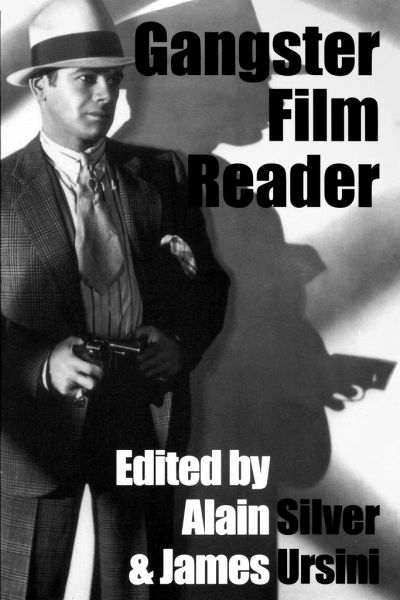
In the 1930s the gangster film in the United States coincided with a very real and very sensational gangsterism at large in American society. Little Caesar (1931), The Public Enemy (1931), and Scarface (1932) borrowed liberally from the newspapers and books of the era. With the release of just these three motion pictures in barely more than a year's time, Hollywood quintessentially defined the genre. The characters, the situations, and the icons - from fast cars and tommy-guns to fancy fedoras and fancier molls - established the audience expectations associated with the gangster film that remain in force to this day. As with their Film Noir Reader series, using both reprints of seminal articles and new pieces, editors Silver and Ursini have assembled a group of essays that presents an exhaustive overview of this still vital genre. Reprints of work by such well-known film historians as Robin Wood, Andrew Sarris, Carlos Clarens, Paul Schrader, and Stuart Kaminsky explore the evolution of the gangster film through the 1970s and The Godfather. Parts 2 and 3 comprise two dozen newer articles, most of them written expressly for this volume by Ursini and Silver. These case studies and thematic analyses, from White Heat to the remake of Scarface to "The Sopranos " complete the anthology.